
Reviewed · OTTAWA TOURS
Ottawa: National Gallery of Canada Admission
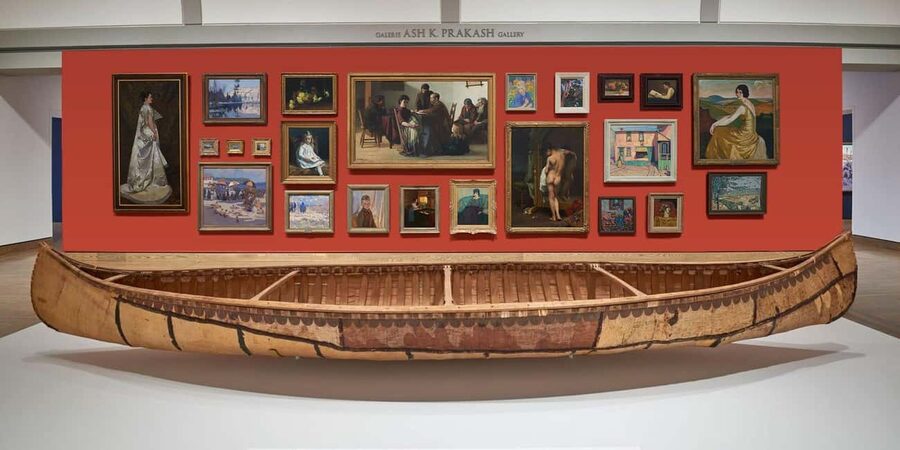
Art meets Parliament Hill here. Ottawa’s National Gallery of Canada gives you a full day of Canadian, Indigenous, and international art for $18, with a striking glass-and-granite building as part of the experience. I like the wide range of works, from photography and sculpture to painting, installation, and decorative arts. I also like that your ticket can include artist talks and art-making activities, not just quiet gallery viewing.
The main consideration is that the experience may feel uneven if you want detailed explanations for every room. The collection is large, and one visitor found the exhibition information too limited. If you prefer a guided visit with a clear route and constant commentary, this admission ticket may leave you doing more of the interpretation yourself.
In This Review
- Key Points Before You Go
- Why This Ottawa Museum Deserves Time
- Entering Moshe Safdie’s Glass and Granite Design
- Starting With Canadian and Indigenous Art
- From Photography to Installation and Decorative Arts
- Artist Talks and Art-Making Activities
- The Garden Court and Maman Spider
- How Much Time Should You Allow?
- Is $18 Good Value?
- Who Will Enjoy This Admission Most?
- Should You Book the National Gallery of Canada?
- FAQ
- Where is the National Gallery of Canada?
- How much does admission cost?
- How long is the ticket valid?
- Is the museum free at any time?
- What does the admission ticket include?
- Are meals and beverages included?
- Is the National Gallery of Canada wheelchair accessible?
Key Points Before You Go
- The $18 ticket covers a full day: You get entry to the gallery and its exhibitions, with enough material for a short visit or several hours of careful looking.
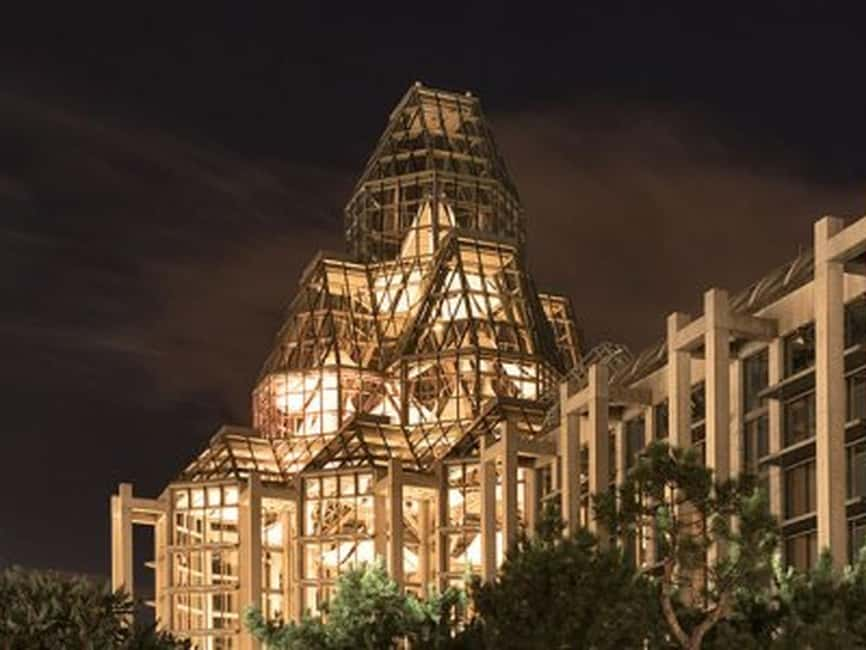
- Moshe Safdie’s building is part of the attraction: Glass, granite, strong lines, and open spaces give the museum an airy setting, with views toward Parliament Hill.
- Canadian and Indigenous art take center stage: The gallery holds one of the finest collections of Indigenous and Canadian art in the world, alongside international works.
- Look for the Maman spider outside: This famous sculpture gives you an easy outdoor highlight before or after the galleries.
- Thursday evening can save you money: Admission is free from 5 to 8 p.m. on Thursdays.
- Ankosé shapes the visit: The idea means everything is connected, linking art, people, place, and the gallery’s wider purpose.
Why This Ottawa Museum Deserves Time

The National Gallery of Canada is not simply a place to check off between Parliament Hill and the ByWard Market. Its collection traces art from antiquity to the present, so you can move between old and new work without leaving the building.
That range matters. One room may ask you to look closely at a painting, while the next uses sculpture, photography, or installation to address a very different idea. You are not limited to one school, one period, or one national story.
The gallery was founded in 1880, and its stated purpose is to share visual art with Canadians. That gives the visit a useful focus. The museum is not only presenting famous objects. It is also trying to explain how artists and communities have shaped the way Canada sees itself.
I especially value the strong presence of Indigenous and Canadian art. For a first visit to Ottawa, this is a better place to understand the country through its artists than a museum filled mainly with European masterworks. International art still has an important role, but the Canadian perspective does not feel like an afterthought.
More Museums in Ottawa
- Ottawa: Canadian War Museum Admission
★ 4.7 · 232 reviews - Gatineau: Canadian Museum of History Admission
★ 4.8 · 230 reviews - Ottawa: Canadian Museum of Nature Admission
★ 4.6 · 226 reviews
Entering Moshe Safdie’s Glass and Granite Design
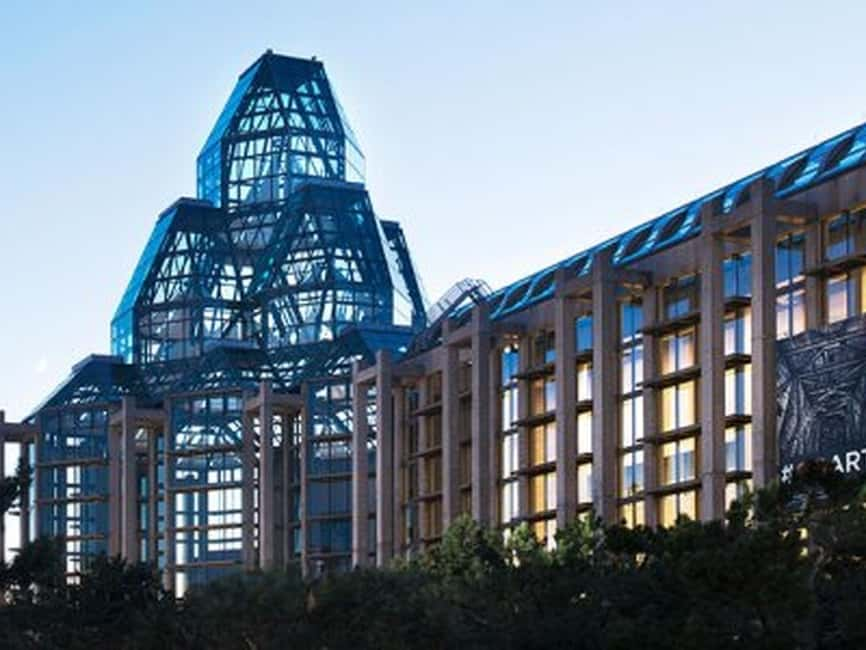
The building deserves your attention before you reach the first exhibition. Designed by architect Moshe Safdie, it uses glass and granite to create a grand but light-filled setting.
That combination works well for a museum. Granite gives the structure weight and a sense of permanence, while the glass brings in daylight and views. The result feels formal without becoming gloomy. The Great Hall is especially useful as a place to pause, meet your group, or take photographs.
I would not rush through the entrance. Take a moment to look at how the building frames Ottawa. Parliament Hill views add a strong sense of place, and the architecture makes the museum feel tied to the city rather than sealed off from it.
A French visitor specifically praised the professional and welcoming staff. That is useful to know because a large museum can feel confusing at first. Ask at the main entrance if you need help finding a current exhibition, a talk, or an art-making area.
The building is wheelchair accessible, which makes its broad public spaces easier to use for visitors with mobility needs. Still, the gallery’s size means you should plan your energy. You can see plenty in one day, but you do not need to treat every room as a test of endurance.
Starting With Canadian and Indigenous Art
If you have limited time, begin with Canadian and Indigenous art. This is where the museum has its clearest identity and where your visit can offer something you may not find in another major art institution.
The collection covers many mediums and periods. You might find paintings that reward a slow look, sculptures that change as you move around them, photographs that depend on careful reading, and installations that ask you to consider the room itself.
The value here is not just the number of objects. It is the chance to see Canadian art placed within a larger story. Indigenous works are presented as a central part of that story, not as a small side room added for balance.
The gallery’s idea of Ankosé, meaning everything is connected, helps explain this approach. Art is connected to community, memory, land, identity, and daily life. You may not see that idea written beside every artwork, but it gives the collection a useful thread.
Give yourself time with works that do not make immediate sense. A museum visit improves when you stop asking only if you like something. Ask what materials the artist chose, what point of view you are being shown, and what the work might say about the people or place behind it.
One criticism to keep in mind is the possibility of limited explanation in some areas. If you want background on every artist, title, and technique, bring patience and use any available labels or talks. The gallery may work best for you as a place of discovery rather than a fully scripted tour.
From Photography to Installation and Decorative Arts

The gallery’s variety keeps the visit from feeling repetitive. Painting may be the familiar starting point, but photography, sculpture, installation, and decorative arts widen the experience.
Photography can reward visitors who prefer a direct connection to real people and places. Sculpture gives you a reason to move around the object. Installation work changes the way you experience the room, while decorative arts remind you that art can be useful, designed, and made for daily life.
This mixture also makes the museum suitable for groups with different tastes. One person can spend time with historical paintings while another looks for contemporary work. Families and first-time museum visitors may find the change of medium easier than a long sequence of similar galleries.
The drawback is choice. A one-day admission ticket does not mean you need to see everything. Trying to cover every collection can turn a pleasant visit into a march from room to room. I would choose two or three areas that matter most to you, then leave time for the building, the garden court, and any scheduled activity.
New exhibitions can also change what feels most important during your visit. Check what is on display when you arrive, then adjust your plan. The permanent collection may be the foundation, but a temporary show can become the part you remember.
A completely different kind of day out on the same trip:
- Ottawa: Bilingual Guided City Tour by Amphibious Bus
★ 4.6 · 2,089 reviews - Ottawa: Sightseeing River Cruise
★ 4.3 · 1,585 reviews - Ottawa: Rideau Canal Cruise
★ 4.4 · 1,303 reviews - Ottawa: Hop-On Hop-Off Guided City Tour Pass
★ 4.4 · 1,194 reviews
Artist Talks and Art-Making Activities
The ticket includes access to artist talks, and the gallery also offers workshops and creative activities. These options add welcome structure to a museum visit.
A talk can help when labels feel brief or an exhibition seems difficult to follow. Hearing an artist discuss ideas, materials, or working methods can give you a route into the work. It also connects the objects in the room to living creative practice.
The art-making activities offer a different kind of break. Instead of looking at other people’s work for hours, you get a chance to make something yourself. That can be especially helpful for families, children, and adults who enjoy museums more when they can participate.
Schedules and starting times vary, so check availability before you go. The admission is valid for one day, but that does not guarantee that every talk or workshop will be running at the exact moment you arrive.
I would treat these activities as a bonus rather than the sole reason to buy the ticket. The gallery’s collection and architecture remain the main draw. But if an artist talk matches your interests, it can improve the visit considerably.
The Garden Court and Maman Spider
The garden court gives you a calm pause between galleries. After several rooms of concentrated looking, an open court can help you reset before continuing.
This is not a place to rush through on your way out. Use it as a quiet stop, especially if you are visiting with children or if your attention has started to fade. The gallery encourages a connection between art, architecture, and the surrounding setting, and the garden court is where those elements come together most clearly.
Outside, look for Maman, the famous spider sculpture. It is one of the easiest highlights to identify and a good photo stop, even if modern sculpture is not usually your first choice.
The exterior also gives you a chance to enjoy the Ottawa setting. One visitor recommended heading to Kiweki Point View for a fine view of the city. That stop is not part of the admission ticket, but it can pair nicely with the gallery if you want to continue the visual experience outdoors.
The museum’s views toward Parliament Hill are another reason not to spend the entire visit looking only at wall labels. Ottawa is part of the setting here. Let the building and the city take a place in your visit.
How Much Time Should You Allow?
The ticket is valid for one day, and that flexibility is useful. You can make the gallery a quick cultural stop, or you can build a large part of your day around it.
For a short visit, focus on the building, one or two major exhibition areas, Canadian and Indigenous art, and Maman outside. That plan gives you a real sense of the institution without tiring yourself.
For a longer visit, add an artist talk, art-making activity, the garden court, and more of the international collection. You can return to a work after a break, which is often when details begin to make sense.
The museum does not provide a personal tour guide with this admission. If you want a fully explained route, this is a point to consider. You will have more freedom, but you will also need to decide where to go and how long to stay.
The staff’s welcoming manner can help with basic direction, but it is still wise to check the day’s program at the entrance. That small step can prevent you from missing a talk or workshop that interests you.
Is $18 Good Value?
At $18 per person, the admission offers solid value if you plan to spend several hours inside. You are paying for access to a major national collection, temporary exhibitions, the building, and possible artist talks.
The price looks especially good for art lovers who want flexibility. You are not locked into a short guided route. You can linger with a single work, skip a room that does not interest you, take a break in the garden court, and return to the galleries.
Thursday evening offers an even better deal, since the museum is free from 5 to 8 p.m. That window is only three hours, so it suits a focused visit rather than a complete tour of the institution. If you are in Ottawa on Thursday, it is worth considering.
Your costs inside the museum are separate. Meals and beverages are not included, and neither are souvenirs. A personal guide is also not part of the ticket. These exclusions are standard for museum admission, but they matter if you are building a strict daily budget.
The shop may not satisfy everyone. One visitor felt that some cultural objects did not connect closely enough to the artists and works displayed in the collections. I would browse it if you enjoy museum stores, but I would not make shopping a reason to visit.
Who Will Enjoy This Admission Most?
I would recommend the gallery to adults who enjoy choosing their own pace, visitors interested in Canadian and Indigenous art, architecture fans, and anyone looking for a thoughtful indoor stop in Ottawa.
It also works well for families because the collection changes medium and the art-making activities provide something hands-on. The calm atmosphere may appeal to people who are not regular museum visitors, especially if they focus on the building, views, and a few selected works rather than trying to see everything.
You may be less satisfied if you expect a personal guide, extensive explanations in every room, or a tightly organized tour. The experience asks you to take some responsibility for your route.
The gallery is also a sensible choice for a rainy or cold day. You can spend time indoors, then step outside for Maman and the Ottawa views when you need fresh air.
Book in advance if you want flexibility, since the reservation option lets you pay later and cancel up to 24 hours before the visit for a full refund. That is useful when your Ottawa schedule is still moving.
Should You Book the National Gallery of Canada?
Yes, if you want a major Ottawa attraction that combines art, architecture, Canadian identity, and city views in one stop. The $18 price is fair, and the Thursday evening free period makes the value even better.
I would book it confidently if Canadian and Indigenous art matters to you, or if you like museums where you can set your own pace. Plan to see the Great Hall, choose a few collection areas, check for an artist talk, and leave time for the garden court and Maman.
Skip it only if you need a guide to explain every step or if your schedule allows only a rushed visit. For most people, the National Gallery works best when you give it at least a few unhurried hours.
FAQ
Where is the National Gallery of Canada?
The National Gallery of Canada is in Ottawa, Ontario. The meeting point is the main entrance of the gallery.
How much does admission cost?
Admission costs $18 per person.
How long is the ticket valid?
The ticket is valid for one day. Starting times depend on availability.
Is the museum free at any time?
Yes. The museum is free on Thursdays from 5 to 8 p.m.
What does the admission ticket include?
The ticket includes admission to the gallery, access to exhibitions, and entry to artist talks.
Are meals and beverages included?
No. Meals and beverages are not included. Personal guide services and souvenir purchases are also excluded.
Is the National Gallery of Canada wheelchair accessible?
Yes. The experience is wheelchair accessible.
Newest reviews from Ottawa
- Sunset Kayak Tour in Downtown Ottawa and Gatineau★ 5.0 · 6 reviews
- Haunted Walk at Beechwood Cemetery National Historic Site★ 4.5 · 6 reviews
- Pontiac Farm Tour – Day Trip From Ottawa & Gatineau★ 5.0 · 6 reviews
- Ottawa: Most Unique Poutine Tour★ 5.0 · 6 reviews
- Full-Day Montreal City Tour from Ottawa and optional city cruise★ 4.5 · 7 reviews
- Ottawa: Panoramic helicopter flight (Gatineau Park + downtown)★ 5.0 · 7 reviews
- Ottawa’s Hidden History: A Self-Guided Audio Tour★ 4.5 · 7 reviews
- Ottawa: Downtown Yacht Cruise – Wed-Sun @ 6PM – 75 Minutes★ 4.4 · 8 reviews
Ottawa Tours, compared.






Browse the lists this tour appears in