
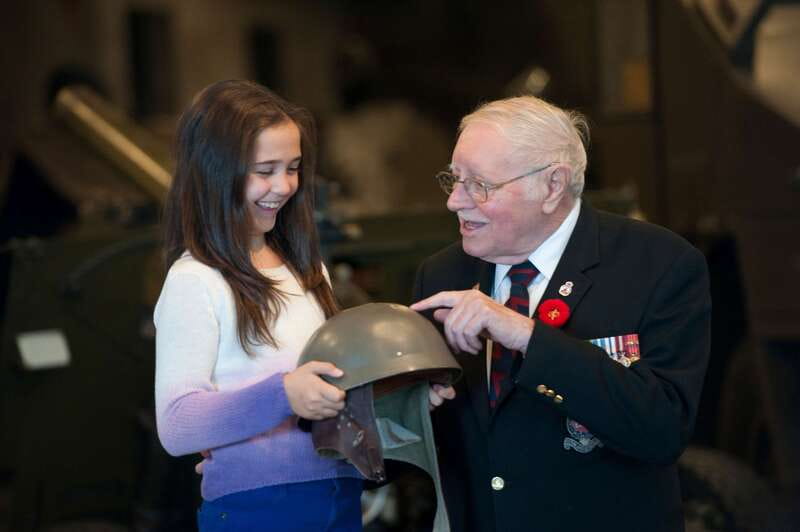
Reviewed · OTTAWA TOURS
Ottawa: Canadian War Museum Admission
War stories become personal here. The Canadian War Museum combines powerful military collections with thoughtful design, giving you both the broad story of Canada’s conflicts and the human cost behind them. I especially like the Moriyama-designed building, where rough concrete, uneven floors, and Morse-code windows make the architecture part of the lesson.
I also value the museum’s personal stories and large vehicle collection. Tanks, artillery, uniforms, photographs, medals, and recorded voices give the galleries real weight. The main drawback is simple: this is not a quick one-hour stop. Two hours gives you a useful visit, but six to eight hours may be needed if you want to read closely and see nearly everything.
In This Review
- Key Points Before You Go
- Arriving at 1 Vimy Place
- Following Canada’s Military Story
- LeBreton Gallery and the Tanks
- Memorial Hall and the Cost of War
- Art, Voices, and Personal Evidence
- How Much Time Should You Allow?
- Is the $18 Admission Good Value?
- Who Will Enjoy This Museum Most?
- Practical Tips for a Better Visit
- Should You Book the Canadian War Museum?
- FAQ
- Where is the Canadian War Museum located?
- How much does admission cost?
- How long is admission valid?
- What does the admission include?
- Is parking included?
- Can I reach the museum without a car?
- Is the museum wheelchair accessible?
- Are children admitted free?
- Can I cancel my booking?
Key Points Before You Go
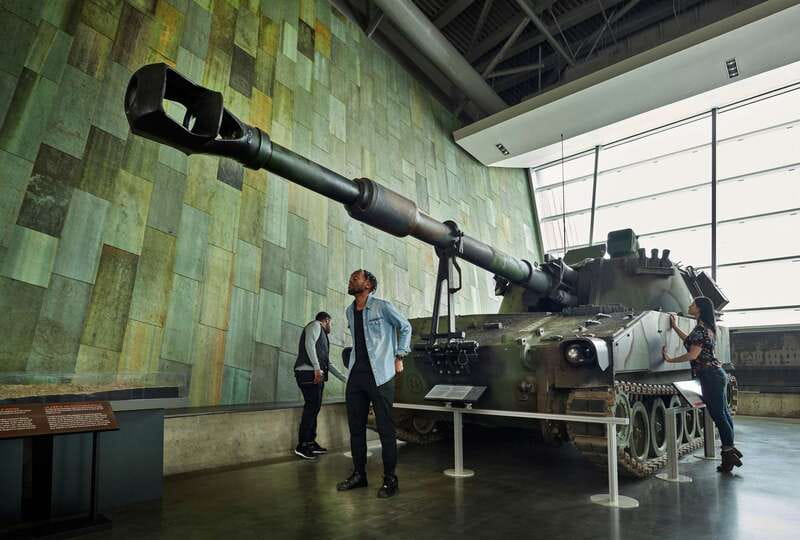
- The building tells its own story: Raymond Moriyama’s design uses Morse code, rough concrete, changing levels, and open spaces to reflect conflict and renewal.
- The collection is huge: The LeBreton Gallery displays tanks, artillery, military vehicles, and other large objects that are especially popular with families.
- Memorial Hall is the quiet center: Canada’s Unknown Soldier headstone gives the visit a solemn pause.
- The history runs from early Canadian wars to today: You can follow the galleries in chronological order, or focus on the periods that interest you most.
- Plan more time than you expect: A rushed visit can cover the basics in two hours, while a serious visit may take six to eight hours.
- The museum suits many ages: Children can focus on vehicles and interactive displays, while adults can spend more time with personal accounts, art, and military history.
Arriving at 1 Vimy Place

The Canadian War Museum is at 1 Vimy Place in Ottawa, Ontario. From downtown, you can reach it on foot, by bicycle, public transit, or by car. Parking is not included, so driving adds a separate cost and a little more planning.
Once you arrive, go directly to the exhibition access point. You do not need to begin at the Museum Box Office if you already have admission arranged. Keep your booking confirmation ready, since entry instructions can vary by booking channel.
The building is easy to recognize, but the entrance experience is only the beginning. Before you start reading labels, take a moment to look at the structure. Its sloping lines and heavy materials feel unlike a traditional, polished museum. That is intentional.
Japanese-Canadian architect Raymond Moriyama designed the museum around the idea of regeneration. The building acknowledges destruction without ending in despair. Windows spell out Lest We Forget / N’oublions jamais in Morse code, and the rough surfaces suggest a world damaged by war but still capable of renewal.
That design gives you something useful right away: a frame for understanding what follows. This is not a place that treats war as a parade of weapons. The objects matter, but so do the people affected by them.
More Museums in Ottawa
- Gatineau: Canadian Museum of History Admission
★ 4.8 · 230 reviews - Ottawa: Canadian Museum of Nature Admission
★ 4.6 · 226 reviews - Canadian War Museum Admission
★ 4.5 · 213 reviews
Following Canada’s Military Story
The main galleries take you through Canadian military history from early conflicts in Canada to contemporary wars. A chronological route works well, especially if you are not familiar with Canada’s role in military history.
You can expect a mix of objects, photographs, artwork, interactive presentations, personal accounts, and recreated settings. The layout is open and generally easy to follow. One helpful staff member has been known to explain the best order through the galleries, which can save you from wandering in circles during a first visit.
The early sections help establish that Canada’s military story did not begin with the First World War. They place later events in a wider context and show how Canada’s armed forces developed through different conflicts and changing political circumstances.
As you move forward, the displays become increasingly personal. Instead of seeing only dates and battles, you encounter family stories, letters, uniforms, photographs, and accounts of service. These details can change your pace. You may move quickly past a display of equipment, then stop for several minutes when one person’s story catches your attention.
The museum is particularly good at showing that military service does not end when a conflict ends. Exhibitions and personal accounts address the struggles faced after war and after service, including the difficult return to ordinary life. The temporary exhibition In Their Own Voices, when on display, has focused on those postwar and post-service experiences.
Because temporary displays change, check what is showing before you visit if a special exhibition is important to you. The permanent galleries provide plenty to see, but a temporary display can add a different emotional or artistic angle.
LeBreton Gallery and the Tanks
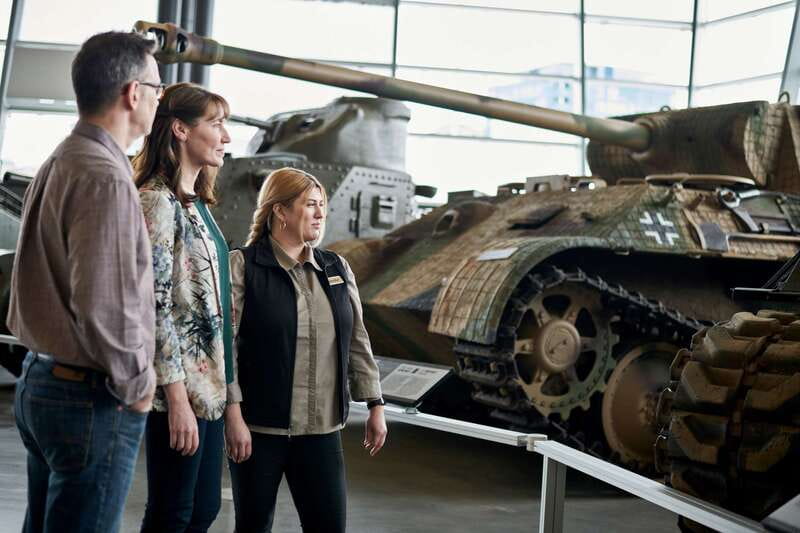
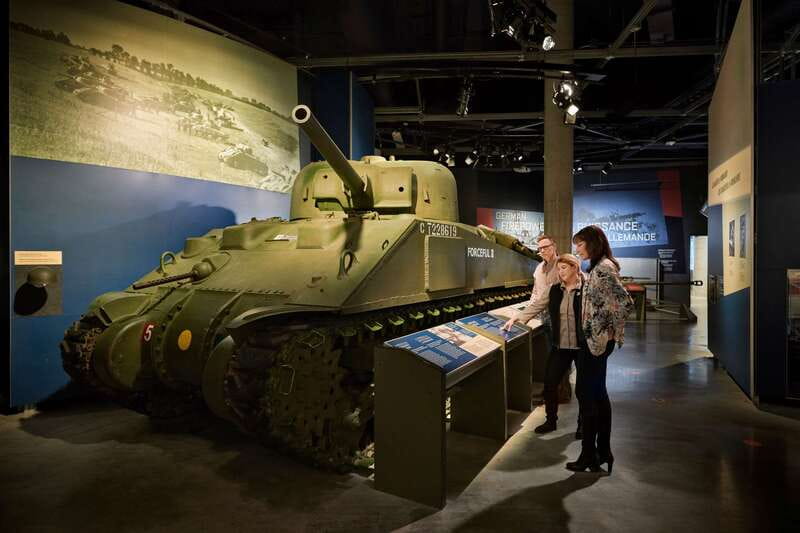
The LeBreton Gallery is the museum’s big crowd-pleaser. It contains large artillery pieces, armored vehicles, tanks, and other military machines that are difficult to grasp from photographs alone.
This is where children often find their entry point into the museum. A tank is immediate. You can see its size, armor, tracks, and machinery. That first spark of interest may lead to questions about how it was used, who operated it, and what life was like around it.
Adults who already enjoy military history will find plenty to study too. The collection includes rare vehicles and artillery, as well as uniforms, medals, small arms, books, and archives. One visitor who had seen major Second World War museums in France, England, and New Orleans considered the armored vehicle and tank collection among the best they had encountered.
The gallery is also useful for families with mixed interests. One person can focus on vehicles while another spends time with the surrounding explanations. Still, do not treat it as the entire museum. The machinery is impressive, but the strongest visit connects these objects with the people and events explained elsewhere.
Memorial Hall and the Cost of War
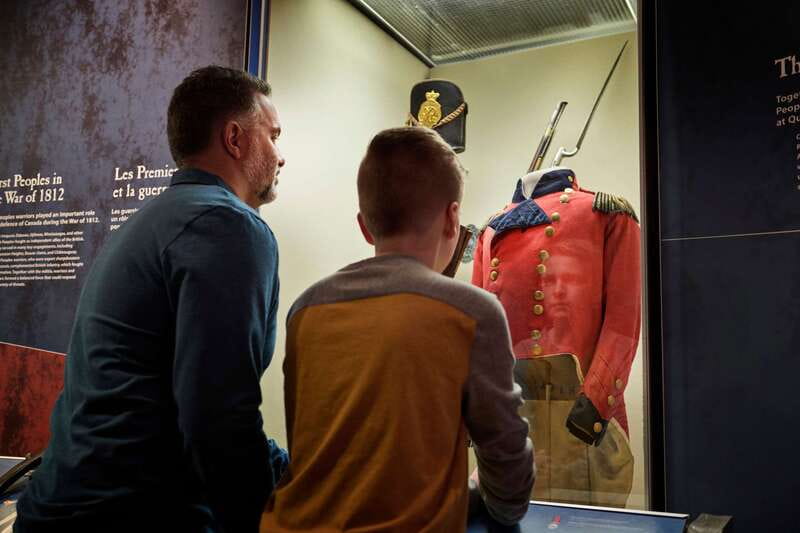
Memorial Hall is quieter than the large galleries and should not be skipped. Here you can stand before the headstone of Canada’s Unknown Soldier, a simple object carrying enormous meaning.
This space changes the rhythm of the visit. After the noise and scale of vehicles, Memorial Hall asks you to stop and think about individual sacrifice. You do not need a long explanation to understand why it affects people. The room gives the Unknown Soldier a place of honor while also representing those whose names and stories were never fully recovered.
Additional areas, including Moriyama Regeneration Hall and the Royal Canadian Legion Hall of Honour, continue this reflective side of the museum. These spaces make the visit more than a military collection. They remind you that every uniform, medal, weapon, and photograph connects to a human life.
If you are visiting with children, this is a good place to explain the difference between honoring service and celebrating war. The museum gives you the material to have that conversation without turning the visit into a lecture.
More museums:
- Toronto: Royal Ontario Museum Admission Ticket
★ 4.6 · 1,237 reviews - Royal Ontario Museum Admission
★ 4.5 · 411 reviews - Toronto: Art Gallery of Ontario General Admission Ticket
★ 4.6 · 251 reviews - Britannia Mine Museum General Admission
★ 5.0 · 233 reviews
Art, Voices, and Personal Evidence
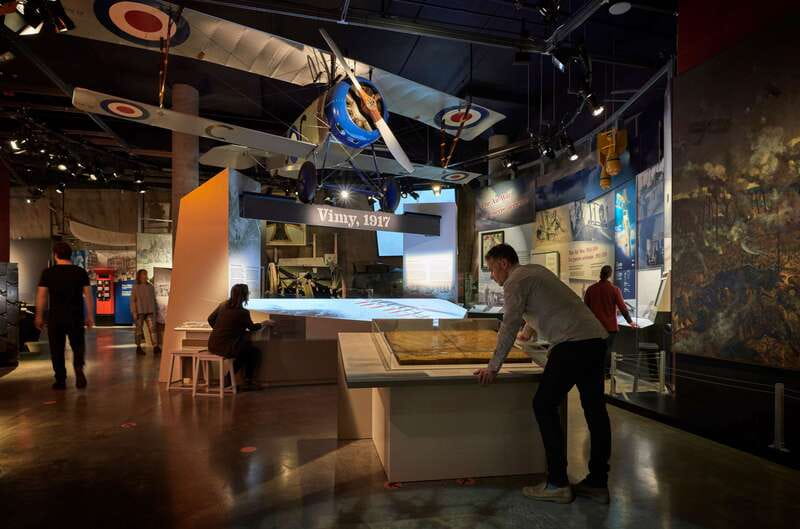
The Canadian War Museum’s holdings include the Beaverbrook Collection of War Art, along with photographs, archives, uniforms, medals, small arms, and rare books. Art is important here because it records more than battlefield action.
Paintings and other works can show exhaustion, fear, waiting, grief, boredom, and the ordinary surroundings of military life. They also help you see how people understood conflict at the time, rather than only through later summaries.
Personal testimony adds another layer. Listening to recorded voices or reading family accounts can make the timeline slower and more demanding, but also more memorable. One particularly affecting exhibition experience has focused on the struggles faced after war and military service. You may want to allow extra time for these sections rather than treating them as quick stops between larger objects.
The museum also hosts displays from around the world, lectures, vehicle demonstrations, family programming, and special events. These are not guaranteed during every visit, so check the schedule if you want more than the standard galleries.
How Much Time Should You Allow?
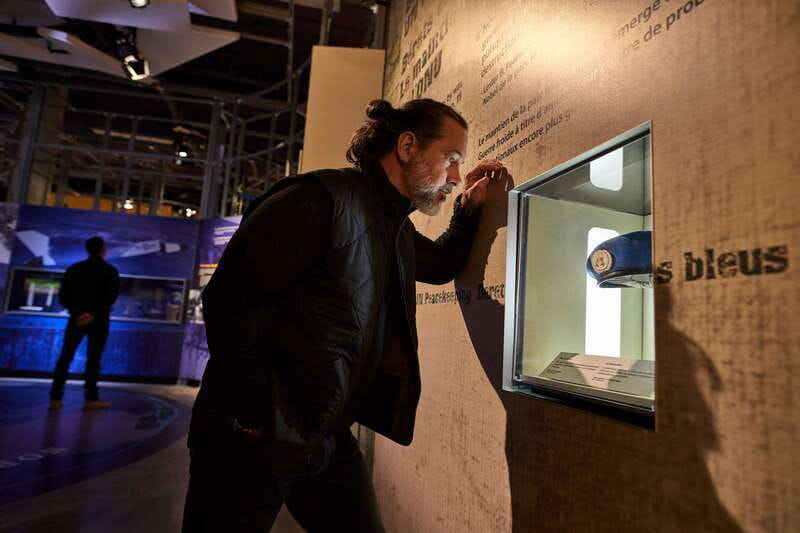
The museum is valid for one day, so you do not need to force the visit into a strict timed route. That flexibility matters because the ideal length depends on how closely you read.
Use these as practical benchmarks:
- Two hours: Enough for a strong first look at the main galleries, Memorial Hall, and the tanks.
- Three to four hours: A better choice if you want to read many labels and spend time with personal stories.
- Six to eight hours: Sensible if you want to examine nearly everything at a careful pace, including special exhibitions and art.
Comfortable shoes are essential. The galleries cover a lot of ground, and uneven floors are part of the building’s design. They are interesting architecturally, but you will notice them after several hours.
Food and drinks are not included, and food and drinks are not allowed in the museum areas. Plan your day around a meal outside the museum or allow time away from the galleries if you are making a long visit.
Is the $18 Admission Good Value?
At $18 per person, admission is reasonable for the amount of material on display. You are not paying for a short guided tour or a single exhibit. You receive access to the permanent galleries and special exhibitions for the day, along with a multilingual museum guide and a self-serve coat check.
The value improves if you can stay for several hours. A two-hour visit still works, but the price feels strongest when you take time with the personal accounts, the art, Memorial Hall, and the LeBreton Gallery.
Families should pay close attention to current admission rules. The Canada Strong Pass provides free general admission for children and youth aged 17 and under, plus 50 percent off general admission for young adults aged 18 to 24, from December 12, 2025, through January 15, 2026. Proof of age may be required, and the offer does not apply to group bookings, summer camps, or birthday parties.
Prices and promotions can change, so compare the current direct museum price with any booking platform before paying. One past booking experience cost more than buying two tickets directly from the museum. The convenience of reserving online may still suit you, but it is worth checking.
Free cancellation up to 24 hours before the visit and reserve-now, pay-later booking can help if your Ottawa schedule is uncertain.
Who Will Enjoy This Museum Most?
I would recommend the museum to anyone interested in Canada, military history, architecture, family stories, or thoughtfully designed public spaces. It is especially useful if you want context beyond the better-known European battlefields.
Families can make a good day of it because the vehicles and interactive elements give younger visitors something concrete to explore. Parents should be ready for serious subjects, though. The museum presents death, trauma, sacrifice, and the long effects of conflict in a direct way.
It also suits repeat visitors. The collection is large enough that you can return after several years and find a new temporary exhibition or notice displays you missed the first time. One returning visitor was especially impressed by In Their Own Voices after a seven-year gap.
The museum may be less suitable if you only have a few minutes in Ottawa or if you want a light, entertainment-focused attraction. Even its most accessible displays lead back to difficult questions.
Practical Tips for a Better Visit
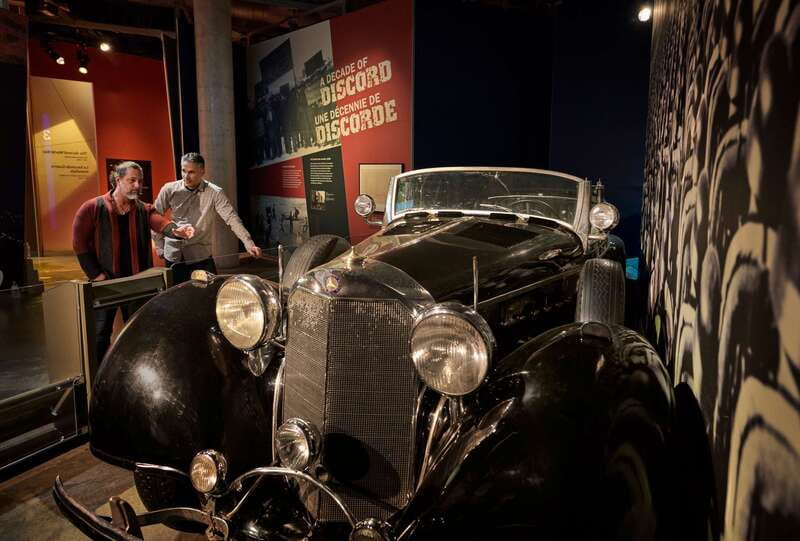
Start with the building. Notice the Morse-code windows, the unfinished concrete, and the changing floor levels before the objects fill your attention.
Next, follow the chronological galleries unless you have a particular period in mind. This gives you a useful framework and prevents the collection from becoming a jumble of wars and dates.
Save enough energy for the lower-level LeBreton Gallery. The tanks and artillery are easy to overlook if you spend all your time reading upstairs, and they are among the museum’s most memorable displays.
Do not rush Memorial Hall. Even a few quiet minutes can give the visit a proper center.
If you have only two hours, make choices. Focus on the main chronological sequence, the vehicle gallery, and Memorial Hall. If you have most of the day, read the first-person material and examine the art collection more carefully.
The museum is wheelchair accessible. Smoking, pets, and food and drinks are not allowed, although assistance dogs are permitted. A multilingual museum guide is included, and staff are available to answer questions.
Should You Book the Canadian War Museum?
Yes, if you want a serious, well-organized Ottawa museum with enough variety to suit both first-time visitors and military history fans. The strongest reasons to go are the human stories, the excellent tank and artillery displays, and the building itself.
Book it as a half-day or full-day attraction, not a quick filler between sightseeing stops. Check the direct museum price, look for current Canada Strong Pass savings, and wear comfortable shoes. If you can give it the time it deserves, the $18 admission offers very good value and leaves you with more than a list of battles. It gives you a clearer sense of what those battles meant to the people who lived through them.
FAQ
Where is the Canadian War Museum located?
The museum is at 1 Vimy Place in Ottawa, Ontario, Canada.
How much does admission cost?
The listed admission price is $18 per person.
How long is admission valid?
Admission is valid for one day.
What does the admission include?
It includes entry to the Canadian War Museum, access to permanent galleries and special exhibitions, a multilingual museum guide, and a self-serve coat check.
Is parking included?
No. Parking is not included in the admission price.
Can I reach the museum without a car?
Yes. The museum is accessible from downtown Ottawa by foot, bicycle, public transit, or car.
Is the museum wheelchair accessible?
Yes, the Canadian War Museum is wheelchair accessible.
Are children admitted free?
Under the Canada Strong Pass initiative, children and youth aged 17 and under receive free general admission from December 12, 2025, through January 15, 2026. Proof of age may be required, and exclusions apply to some group activities.
Can I cancel my booking?
Yes. You can cancel up to 24 hours in advance for a full refund. Reserve-now, pay-later options are also available.
Newest reviews from Ottawa
- Ottawa: Private Custom Tour with a Local Guide★ 4.5 · 42 reviews
- Ottawa 200th Anniversary Landmarks★ 4.5 · 44 reviews
- Secrets of the Château Laurier Hotel Tour★ 4.5 · 44 reviews
- Cycling Ottawa’s 200th Anniversary, self-guided★ 5.0 · 45 reviews
- Ottawa: Taste of the ByWard Market Food Tour★ 4.9 · 50 reviews
- Ottawa: 4 or 8-Hour Bike Rental with Self-Guided Tour★ 4.7 · 51 reviews
- Ottawa: Ecological Reserve Kayak Tour with Turtle Sightings★ 5.0 · 54 reviews
- Ottawa: Small Group Night Tour With River Cruise★ 4.2 · 54 reviews
Ottawa Tours, compared.


Browse the lists this tour appears in