
Reviewed · MONTREAL TOURS
Montreal: Museum of Illusions Entry Ticket
Reality gets wobbly here. Montreal’s Museum of Illusions packs more than 70 hands-on exhibits into a one-hour visit, with holograms, stereograms, puzzles, and rooms that play tricks on your balance and eyesight. I like the self-paced format, which lets you stop, retry, and study each illusion instead of being hurried along.
I also like the photo-friendly design. The tilted room, infinity tunnel, and vortex tunnel are made for playful pictures, especially when someone else can take the shot. The main drawback is clear: if you have vertigo, this is not a good match, and the visit is often more fun with a companion than alone.
In This Review
- Key Things to Know Before You Go
- Entering a Museum Where Your Eyes Cannot Be Trusted
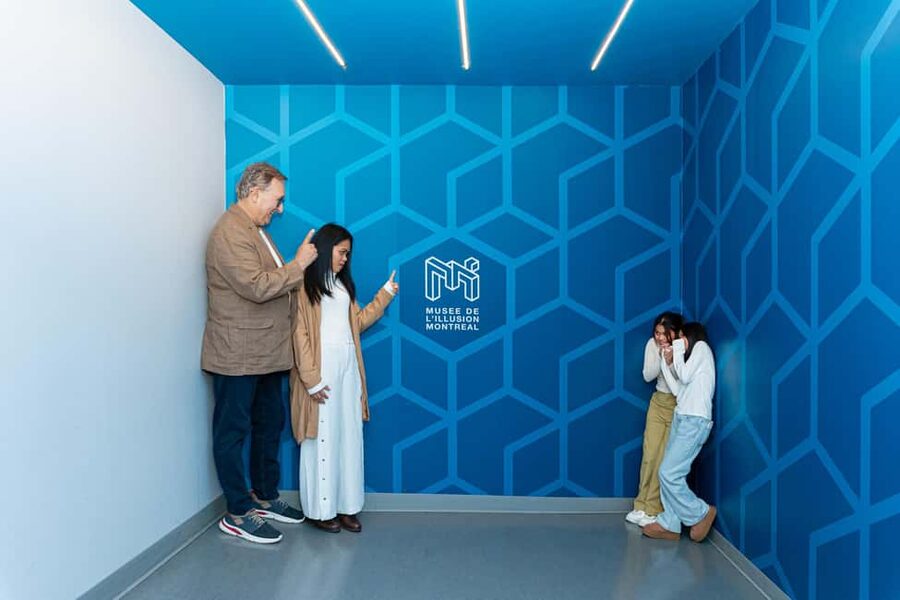
- The Tilted Room Tests More Than Your Balance
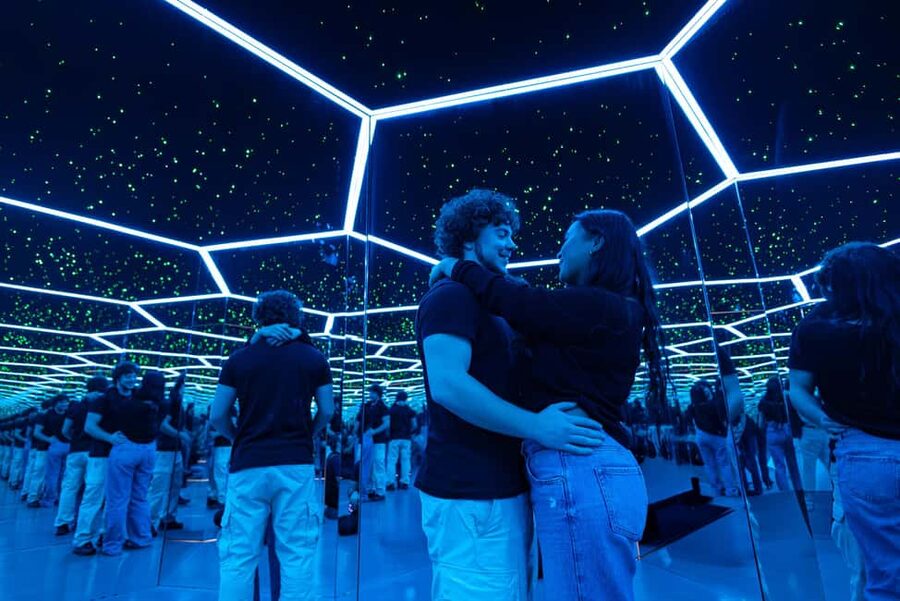
- The Infinity Tunnel Makes a Small Space Feel Huge
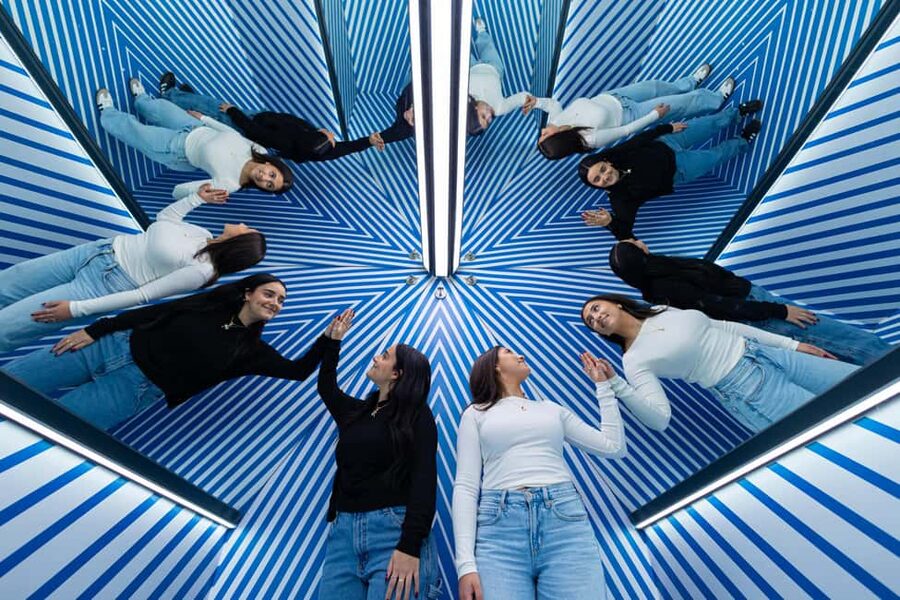
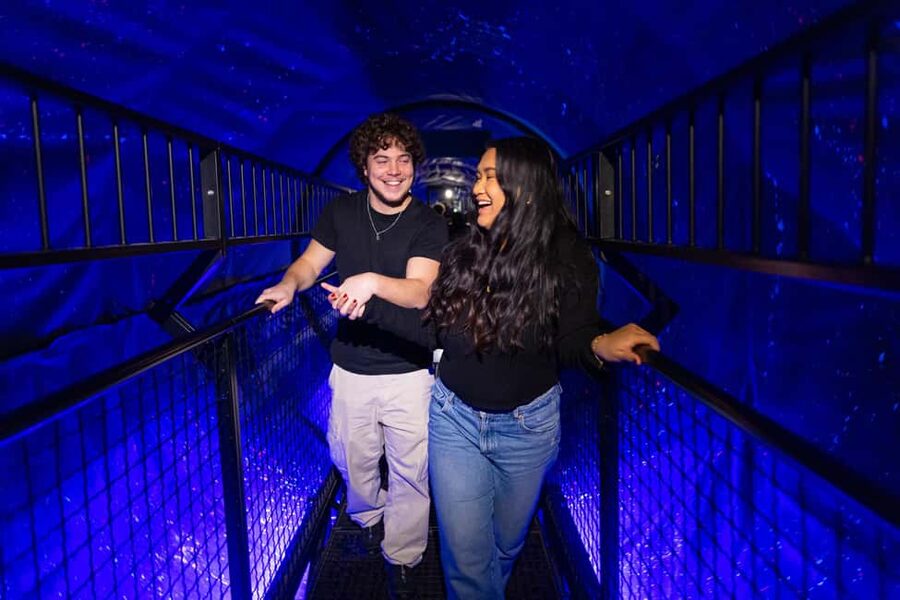
- The Vortex Tunnel Challenges Your Sense of Movement
- Holograms and Stereograms Show the Science Behind the Tricks
- Puzzles Turn the Visit Into a Shared Challenge
- Why the One-Hour Format Works in Montreal
- Is $25 a Fair Price?
- Who Will Enjoy This Most?
- Practical Tips for Getting More From the Visit
- Should You Book the Museum of Illusions Montreal?
- FAQ
- How long does the Museum of Illusions Montreal visit last?
- How much does admission cost?
- Is the Museum of Illusions suitable for children?
- Is the museum wheelchair accessible?
- Is the visit guided?
- Can I cancel my booking?
Key Things to Know Before You Go
- More than 70 visual and physical illusions: Expect holograms, stereograms, puzzles, mirrors, tunnels, and rooms that challenge your sense of balance.
- The tilted room is a highlight: Your eyes and body may disagree about which way is level.
- The infinity tunnel creates strong photo moments: Reflections and light make the space appear to stretch far beyond its actual size.
- A one-hour visit works well for a city break: You get a focused indoor activity without giving up half a day.
- Bring comfortable shoes and a camera: Some exhibits involve standing, moving, balancing, or posing.
- Best with a partner or small group: The visit is limited to four participants, and some illusions are easier to enjoy when someone else can film or compare what you see.
Entering a Museum Where Your Eyes Cannot Be Trusted
The Museum of Illusions Montreal is not a traditional museum filled with objects behind glass. It is a hands-on attraction built around perception. You look, move, test, pose, and then question what your senses just told you.
That makes it a useful break from more formal sightseeing. You do not need background knowledge in physics or psychology to enjoy it. The displays explain the basic ideas behind many of the tricks, so you can have fun first and then understand why your eyes made the wrong call.
The museum includes more than 70 exhibits. That number matters because the experience is not built around one large centerpiece. Instead, you move from one short challenge to another, with each display using a different method: light, reflection, perspective, balance, or the way your brain fills in missing information.
You can take your time at each station. If a hologram catches your attention, you can study it from different angles. If a puzzle does not make sense at first, you can give it another try. This freedom is especially helpful for families, since younger children may want to repeat the same trick while adults are ready to move on.
More museums in Montreal:
- Museum of Illusions Montreal – 70+ Illusions to Explore
★ 4.0 · 103 reviews - Montreal: Art Center and Museum Audio Guided Tour
★ 4.3 · 18 reviews - McCord Stewart Museum – Admission
★ 4.5 · 17 reviews
The Tilted Room Tests More Than Your Balance
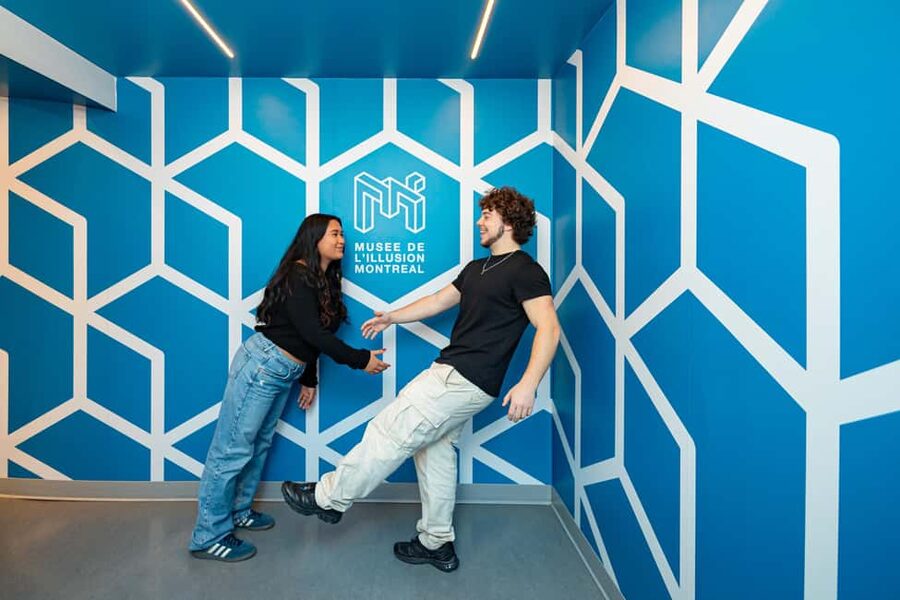
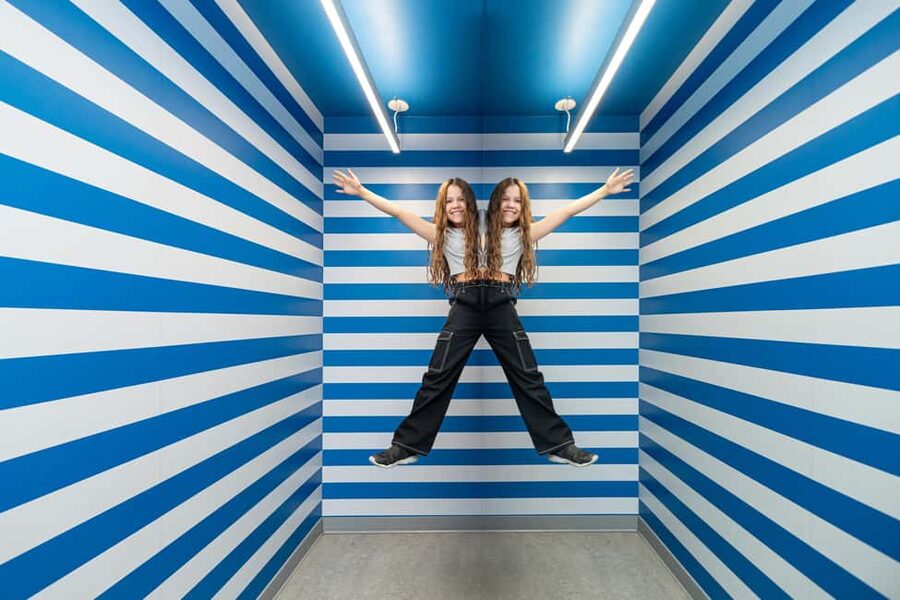
The tilted room is one of the clearest examples of how the museum works. The room appears ordinary at first glance, but its angle makes your body and your eyes disagree. You may feel as if you are standing straight while the room suggests something else entirely.
That mismatch is the point. Your brain uses visual surroundings to help judge balance, and the room gives it confusing information. The result can be funny, slightly awkward, and surprisingly difficult to explain until you experience it.
This exhibit is also one of the better places to use your camera. A companion can frame a picture that makes you appear to lean at an impossible angle. If you are visiting alone, you can still take pictures, but you may miss some of the best setups because many illusions work better when another person is in the frame.
The tilted room is also where you should pay attention to your comfort. The attraction is not suitable for people with vertigo. Even if you do not suffer from vertigo, you may want to move slowly and avoid rushing from one balance-based exhibit to the next.
The Infinity Tunnel Makes a Small Space Feel Huge

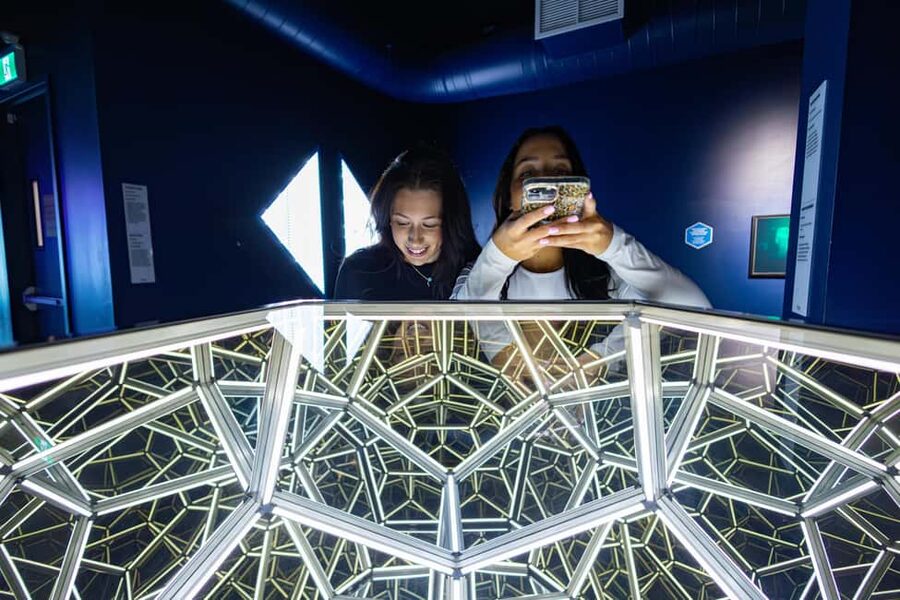
The infinity tunnel uses repeated reflections and light to create the impression of a space stretching far beyond its physical limits. You know you are inside a controlled exhibit, yet the visual effect can make the tunnel feel much longer and more open than it really is.
This is a good example of why the museum works best when you pause. A quick glance gives you the basic effect. Looking longer lets you notice how the repeated images and lights keep your eyes from finding a clear endpoint.
The infinity tunnel is also among the most camera-ready parts of the visit. Photos can capture a stronger sense of repetition than your eyes may notice in the moment. It is worth taking more than one picture and trying different angles, provided the space allows it.
You do not need advanced photography equipment. The experience specifically recommends bringing a camera, and a phone is enough for the casual photos most people want. The important thing is having someone to take the picture if you want to appear inside the illusion.
The Vortex Tunnel Challenges Your Sense of Movement
The vortex tunnel is designed to make you feel as if the world around you is spinning or shifting. The floor itself may remain stable, but the moving visual surroundings can make your brain interpret the space as unstable.
This is a clever reminder that balance is not controlled by your feet alone. Your eyes play a major role, and the museum uses that connection to make a simple walk feel much harder than expected.
If you are sensitive to spinning sensations, take this exhibit at your own pace. The self-guided structure means you do not have to race through it. You can watch others try it first, decide how comfortable you feel, and step away when the effect becomes too strong.
That flexibility is one of the attraction’s practical strengths. It lets you choose how much of each exhibit you want to attempt. You are not locked into a fixed performance or forced to complete every challenge.
A few more tours worth putting side by side
- Montreal: Guided Bus Tour
★ 4.4 · 3,064 reviews - Montreal: Hop-On Hop-Off Double-Decker Bus Tour
★ 4.1 · 2,760 reviews - From Montreal: Quebec City and Montmorency Falls Day Trip
★ 4.5 · 2,669 reviews - Montreal Mile End Authentic Food Tour with 7 Delicacies Tastings
★ 5.0 · 2,598 reviews
Holograms and Stereograms Show the Science Behind the Tricks
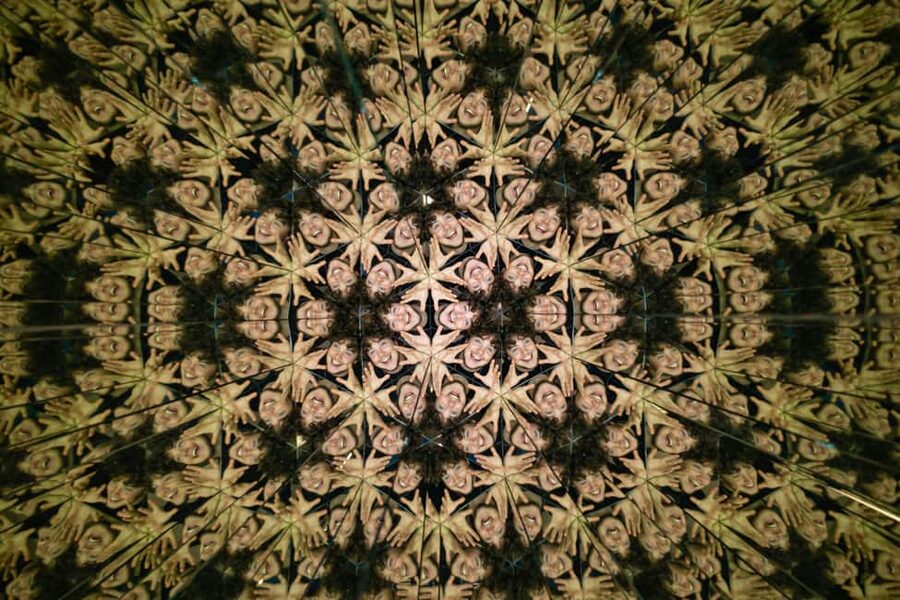
Not every exhibit depends on a large room or a dramatic physical effect. Some use light and carefully arranged images to make flat surfaces seem to contain depth or movement.
Holograms can appear to change as you shift your position. Stereograms use visual patterns that require your eyes to interpret an image in a particular way. These displays are less about posing and more about understanding how perception works.
You may need patience with some of these exhibits. The effect is not always immediate, especially if you are unfamiliar with stereograms. Try changing your focus rather than simply staring harder. The point is not to prove that you can see the image instantly. It is to notice how your brain builds a picture from visual information.
This section gives the visit a little more substance than a collection of photo backgrounds. You still get the playful side, but you also leave with a clearer sense of how reflections, perspective, and light can shape what you think you see.
Puzzles Turn the Visit Into a Shared Challenge
The museum includes puzzles as well as visual displays. These provide a change of pace after the rooms and tunnels. Instead of asking you to pose or maintain your balance, they ask you to work out a solution.
This is where visiting with someone else helps most. You can compare ideas, point out details, and see how differently two people approach the same problem. A solo visit is possible, but it can feel quieter because part of the fun comes from explaining what you see and watching another person try.
The attraction is limited to a small group of up to four participants. That size suits the puzzles and photo setups. You have a better chance of getting a clear look at an exhibit than you would in a large crowd, and a small group can move at a comfortable pace.
The English-speaking host or greeter can help orient you, but the main visit is self-paced. You are not depending on a long guided talk to get value from the displays. That makes the museum easy to fit into a day when your schedule is changing.
Why the One-Hour Format Works in Montreal
The stated duration is one hour, which is a sensible amount of time for this kind of attraction. The exhibits are short, interactive stops rather than long galleries. You can spend a few minutes at each one, take pictures, and still reach a good number of displays.
I would treat the hour as a focused activity, not an all-day museum visit. If you enjoy testing every puzzle and retaking photos, you may want to use the full time. If you move quickly, you may see the main types of illusions sooner.
That makes the museum easy to pair with other Montreal plans. It can fill an open hour, provide an indoor option, or give a family a break from walking outside. The information provided does not include transportation details, so you should plan your route separately and check the available starting times when booking.
The attraction is wheelchair accessible, which makes it an option for a wider range of visitors. You should still consider your personal comfort with balance-based displays and tunnels, since accessibility does not remove the possible effects of vertigo.
Is $25 a Fair Price?
At $25 per person, the museum is reasonably priced if you enjoy interactive attractions and plan to use the full hour. Your ticket covers entry to more than 70 exhibits, so the value comes from the number of separate activities rather than from one major sight.
I would not judge the price only by the size of the building or the length of the visit. The displays are designed to involve you. You are not just looking at an illusion; you are testing it, posing with it, or trying to solve it. That active element gives the experience more value than a quick walk through a display-only gallery.
The price is easier to justify for a family or group of friends because the exhibits create shared moments. You can compare reactions, help each other with puzzles, and take pictures for one another. A solo visitor may still enjoy the science and visual effects, but the social side is less rewarding.
The ticket includes museum entry only. You should not expect a separate meal, transportation, or another attraction to be part of the price.
Who Will Enjoy This Most?
This is a strong choice for families because the visit is suitable for all ages and does not depend on a long attention span. Children can focus on the physical tricks and pictures, while adults may enjoy the explanations about perception.
It also works well for friends who want a playful stop rather than a serious cultural visit. The best moments often come from seeing how another person reacts to the same exhibit. If you want photos that look strange without elaborate editing, this is a practical place to get them.
The experience may suit couples, too, particularly if you enjoy trying puzzles together. The small group limit keeps the setting personal, though the attraction’s own information does not promise private access for every booking.
I would be cautious about booking if you have vertigo or strong sensitivity to spinning and tilted spaces. The vortex tunnel and tilted room are central parts of the experience, not minor side displays you can ignore without affecting the visit.
Practical Tips for Getting More From the Visit
Wear comfortable shoes. You may be standing, walking between exhibits, testing balance, and repeating displays for better results. Footwear that feels secure is more useful than anything stylish.
Bring a camera or phone with enough battery. The museum specifically encourages photos, and many illusions make more sense when you see the final image. A companion can help with shots that require you to be in the room, though you can still enjoy the exhibits without taking pictures.
Plan to visit with at least one other person if you can. One recent booking described the experience as more fun with company, especially because certain illusions work better in video and are easier to understand when you can discuss what each person sees.
Do not rush through the science displays. The rooms may produce the biggest reactions, but the holograms and stereograms explain the central idea behind the attraction: your senses collect information, and your brain decides what that information means.
Should You Book the Museum of Illusions Montreal?
Book it if you want a one-hour, indoor activity that is playful, easy to understand, and full of photo opportunities. I especially recommend it for families, friends, and couples who like trying things together.
The 4.6 rating from 25 reviews fits the experience described here: fun, accessible, and memorable without demanding a full day. The strongest reason to go is not simply the number of exhibits. It is the chance to see how quickly your own senses can be fooled.
Skip it if tilted rooms, spinning visual effects, or balance challenges are likely to make you uncomfortable. And if you are visiting alone, expect a quieter experience, since several illusions are more enjoyable when another person can film you or compare reactions. For everyone else, $25 buys a compact Montreal activity with plenty of laughs and a few useful lessons about perception.
FAQ
How long does the Museum of Illusions Montreal visit last?
The visit lasts about one hour. You can move through the exhibits at your own pace.
How much does admission cost?
Admission costs $25 per person and includes the museum entry ticket.
Is the Museum of Illusions suitable for children?
Yes. The experience is described as ideal for all ages, with interactive exhibits, puzzles, rooms, holograms, and photo opportunities.
Is the museum wheelchair accessible?
Yes, the Museum of Illusions Montreal is wheelchair accessible.
Is the visit guided?
The attraction has an English-speaking host or greeter, but the museum visit itself is self-paced.
Can I cancel my booking?
Yes. You can cancel up to 24 hours in advance for a full refund. You can also reserve now and pay later.
Newest reviews from Montreal
- Montreal Home Dining & Dim Sum Cooking Class★ 4.5 · 6 reviews
- Montreal: Private Walking Tour of Downtown & Underground★ 4.8 · 6 reviews
- Montreal : Old Montreal Walking Tour With A Guide★ 4.2 · 6 reviews
- 3h Boat Safari – Montreal’s Nature and Iconic Attractions Tour★ 3.5 · 6 reviews
- Experience Old Montreal on e-scooters with a local comedian★ 5.0 · 6 reviews
- Private Transfer from Montreal Airport YUL to Montreal / Bromont★ 4.5 · 6 reviews
- Montreal: Canadian Forest Guided Tour by Snowmobile★ 4.3 · 6 reviews
- Montreal: Brewpub Experience Beer Tasting & Walking Tour★ 4.3 · 6 reviews
Montreal Tours, compared.



Montreal Mile End Authentic Food Tour with 7 Delicacies Tastings
Read our review →
Quebec City and Montmorency Falls Day Trip from Montreal
Read our review →
The Original Old Montréal Walking Tour by Guidatour
Read our review →
Old Montreal Small-Group Walking Tour | Max 10 | by MTL Detours
Read our review →
Montreal City Sightseeing Tour with Live Commentary
Read our review →Browse the lists this tour appears in