
Reviewed · VANCOUVER ISLAND TOURS
Port Hardy: Sea Otter and Whale Watching
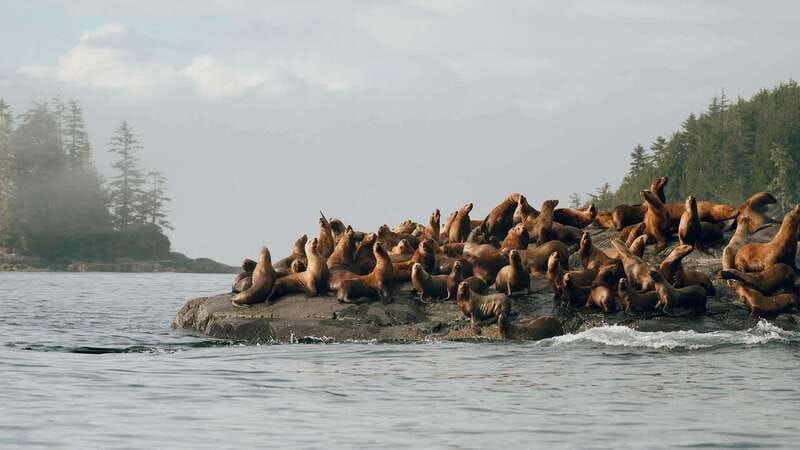
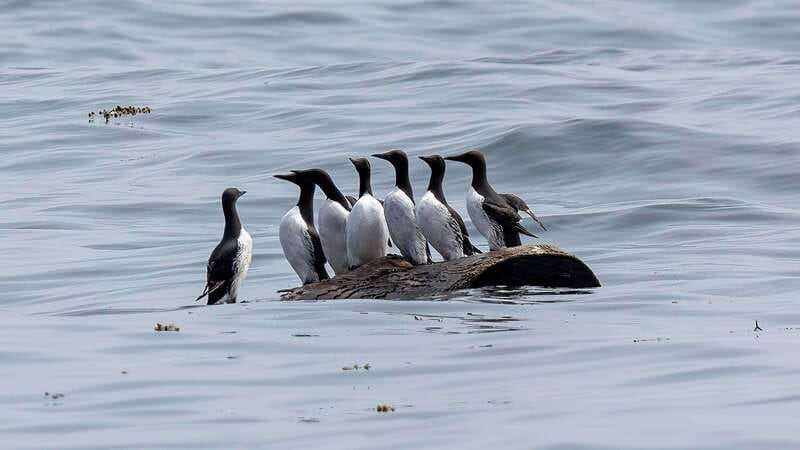
Wildlife feels wonderfully close here. This five-and-a-half-hour trip from Port Hardy uses fast, custom-built boats to cover broad stretches of northern Vancouver Island’s coastal waters, where you may see sea otters, orcas, humpback whales, and other marine life. I especially like the individual shock-mitigating seats, which make the ride more comfortable than a standard inflatable boat, and the hydrophone, which lets you hear whales underwater.
The outing also earns points for its practical gear and local guidance. You get a flotation suit, warm hat, binoculars, lunch, and hot drinks, while local Indigenous staff and guides explain the waters and wildlife. The main drawback is the sea itself: people prone to seasickness or with back problems should think carefully before booking, and August can bring heavy fog. One August outing had plenty of orcas but limited visibility, a reminder that nature sets the schedule.
In This Review
- Key points at a glance
- Leaving Port Hardy for open coastal water
- Why the suspension seats make a real difference
- Searching for sea otters, whales, and orcas
- Listening through the onboard hydrophone
- A small boat with a serious photography advantage
- Lunch, hot drinks, and the practical side of five hours
- Fog, weather, and the honest limits of the experience
- Is $276 a fair price?
- Who should book this Port Hardy outing?
- Should you book it?
- FAQ
- Where does the Port Hardy sea otter and whale tour meet?
- How early should I arrive?
- How long does the tour last?
- What wildlife might I see?
- Is lunch included?
- What equipment is provided?
- Is the tour suitable for people with back problems or seasickness?
- Can I cancel the booking?
Key points at a glance
- Custom 12-passenger RHIBs: Fast boats with separate suspension seats instead of a hard bench.
- A full 330-minute outing: The long time on the water gives the crew room to search widely for wildlife.
- Sea otters, orcas, and whales: Sightings are never promised, but the area supports a broad range of marine life.
- Hydrophone listening: You may hear whale sounds as well as watch for blows and fins.
- Warm equipment included: Flotation suits, hats, binoculars, lunch, and hot drinks are supplied.
- Small-group local guiding: The setting is Kwakwakaʼwakw First Nations traditional land and water, with English-speaking local guides.
Leaving Port Hardy for open coastal water
Your day begins at Coastal Rainforest Safaris’ office at 7185 Market Street in Port Hardy. Arrive 30 minutes before departure. That early arrival is not wasted time: the crew needs to fit you with a two-piece flotation suit and have you sign a waiver before you head to the boat.
Bring warm clothing even if Port Hardy feels mild on shore. Out on the water, speed, spray, wind, and changing weather can make the air feel much colder. The supplied suit adds a useful layer, but it is not a substitute for warm clothes underneath.
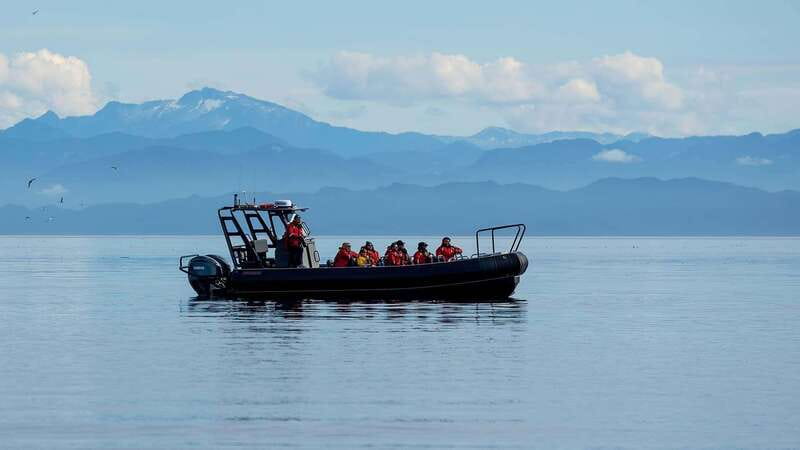
The boats are custom-made, 12-passenger RHIBs. That small capacity matters. You are not packed into a large sightseeing vessel with dozens of other people, and the crew can keep the outing focused on the conditions in front of you. The boat’s speed also helps the guides search a wider area during the five-and-a-half-hour trip.
There is a trade-off. A fast RHIB gives you a better chance of reaching active wildlife areas, but it also means more movement and exposure to wind. If you are sensitive to motion, this is not the gentle harbor cruise choice. The operator specifically advises against the trip for people prone to seasickness or those with back problems.
More Whale Watching in Vancouver Island
- Victoria Whale and Wildlife Cruise
★ 5.0 · 1,729 reviews - Cowichan Bay Half Day Whale & Wildlife Adventure
★ 5.0 · 393 reviews - Vancouver Island Half-Day Whale Watching Tour – Telegraph Cove
★ 5.0 · 333 reviews
Why the suspension seats make a real difference
Traditional zodiac-style boats often use a long bench. That setup can be tiring when the boat crosses waves, especially during a long outing. Here, each passenger gets an individual seat mounted on a shock-mitigating suspension platform.
That design is one of the strongest reasons to consider this trip. Reports from August describe the seats as comfortable even at high speed and in larger waves. You still feel the motion of the sea, of course, but the seats reduce the hard jolts that can turn a wildlife outing into a test of endurance.
The arrangement also gives you a more personal place to settle in with your binoculars. You are not balancing on a narrow bench while trying to watch a distant fin. Still, keep both hands free when the boat is moving quickly, and follow the crew’s instructions. This is a working wildlife boat, not a floating lounge.
The two-piece flotation suit is another smart touch. It provides warmth and safety without requiring you to bring specialized marine clothing. Add a warm base layer and sensible clothing, and you will be better prepared for a long day outside.
Searching for sea otters, whales, and orcas
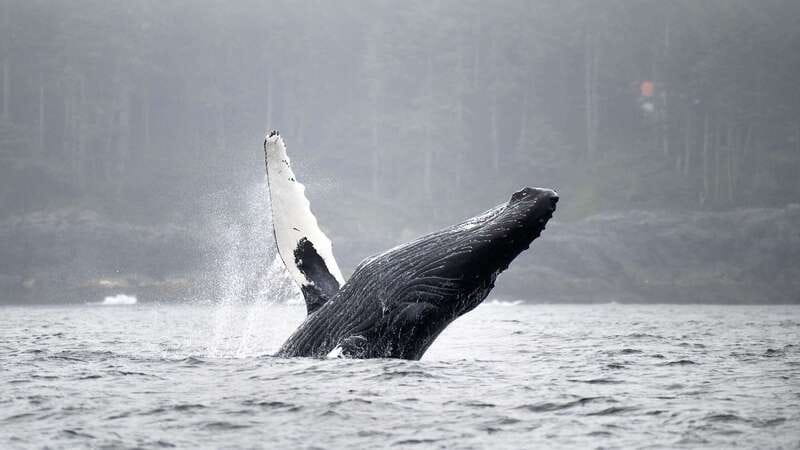
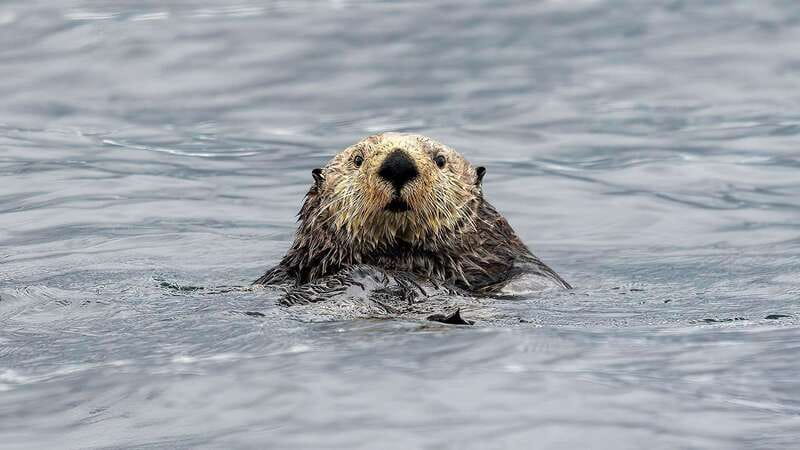
The central appeal is simple: northern Vancouver Island offers excellent marine wildlife country, and the boat can cover a large area in search of it. You may see sea otters, whales, orcas, and other marine species. The exact mix depends on the day, weather, and where animals are moving.
That uncertainty is important. No responsible wildlife operator can promise a particular species, and this trip does not guarantee sightings. You should book it because the search itself takes you through striking coastal waters and because the crew knows how to read local conditions, not because you have been promised a perfect checklist.
The reports from late summer describe especially strong orca sightings. One outing in poor weather still found many orcas, while another saw the expected wildlife and more. That is encouraging, but it should not be treated as a forecast for your departure. Wildlife remains wild, and fog can limit both visibility and the boat’s ability to search.
The crew’s role is more than pointing at animals. Guides explain what you are seeing, share local details, and help you understand why the boat is stopping or changing direction. AJ received special praise for bringing the group close to nature while keeping the setting quiet and remote. That balance matters: the best wildlife encounter is one that does not disturb the animals.
Listening through the onboard hydrophone
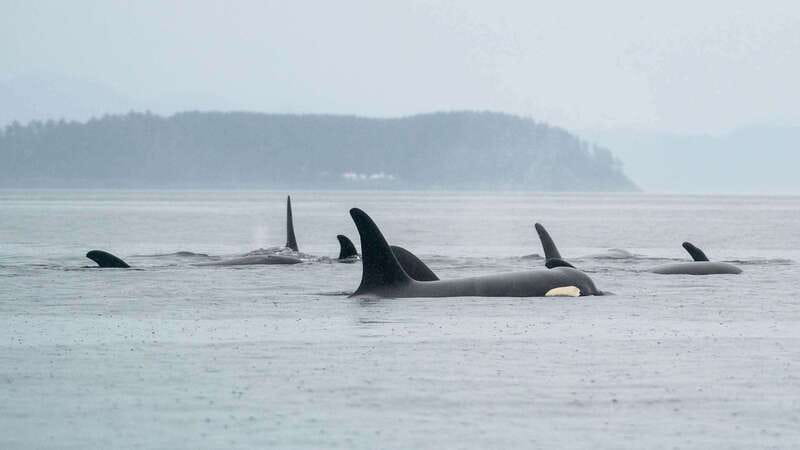
The hydrophone adds an element many whale trips leave out. Instead of only scanning the water for a blow, fin, or back, you may also listen for whale sounds beneath the surface.
This changes the pace of the trip in a good way. Wildlife watching can involve long stretches of waiting, and the hydrophone gives you something meaningful to focus on while the crew searches. It also helps you understand that a whale may be nearby even when you cannot see it clearly.
You should not expect a constant soundtrack. The hydrophone is a tool, not a guarantee of a dramatic performance. Its value comes from connecting what you hear with what the guides explain about the animals and their behavior.
For photographers, this is also a useful reminder to lower the camera now and then. Wildlife photography is a major draw, but the hydrophone offers a different kind of memory, one based on sound rather than a distant image.
A completely different kind of day out on the same trip:
- Great Bears of Bute: Grizzly Bear Viewing & Indigenous Cultural Tour
★ 5.0 · 336 reviews - Victoria Sunset Whale-Watching Cruise
★ 5.0 · 281 reviews - Vancouver Island Zodiac Whale Watching Adventure – Telegraph Cove
★ 5.0 · 281 reviews - Victoria Marine Wildlife Tour
★ 5.0 · 267 reviews
A small boat with a serious photography advantage
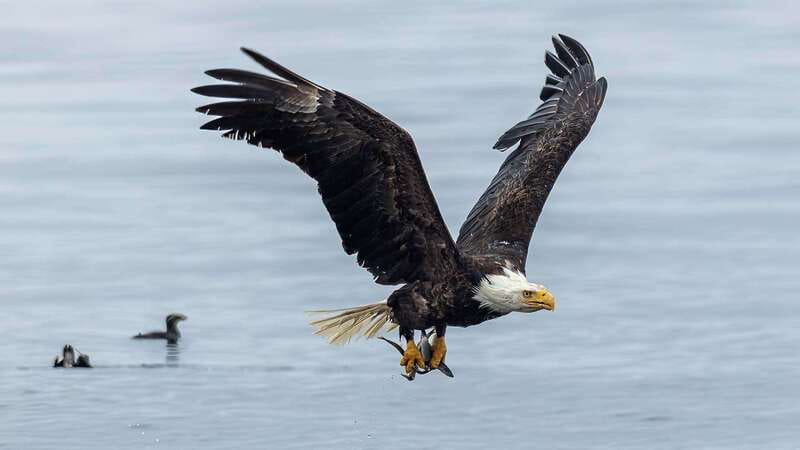
The RHIB’s size and open viewing setup give you strong opportunities for wildlife photography. Binoculars are included, so you do not need to bring your own pair. The boat can also move between areas, which may improve your chances of finding active wildlife rather than waiting in one place.
Bring your camera only if you can handle the practical limits of shooting from a moving boat. You may deal with spray, fog, fast changes in direction, and animals that surface for only a few seconds. A phone can record the atmosphere, but a camera with a secure strap and weather protection may be more useful for serious photography.
Tripods are not allowed, and that makes sense in a compact, moving RHIB. Drones are also prohibited. Smoking, pets, strong fragrances, and bare feet are not allowed. These rules help keep the boat safe and comfortable and reduce distractions around wildlife.
Try not to measure the day only by the quality of your photographs. A whale surfacing too far away for a sharp picture can still be an excellent sighting. The boat’s real advantage is the chance to be present in the right area, not a promise of postcard-perfect images.
Lunch, hot drinks, and the practical side of five hours
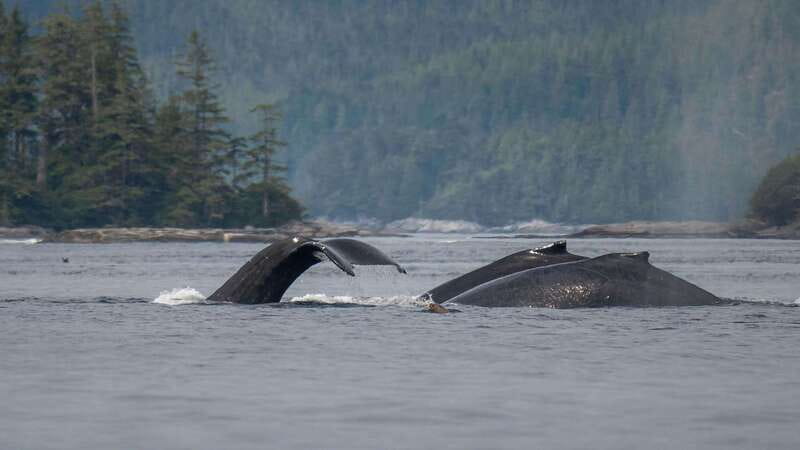
A 330-minute tour is long enough for food and warmth to become important. Lunch and hot drinks are included, which saves you from carrying a full meal and gives you a proper break during the outing. The food received strong praise, including from people who also had to contend with poor weather.
The onboard toilet is another useful feature. On a long trip in a small boat, this is not a minor convenience. It lets you spend the day on the water without worrying about an early return for basic facilities.
You also receive binoculars and warm hats. Those details show that the operator understands what you need for wildlife watching. You can still bring your own camera, extra layers, and any personal medication you require, but the core equipment is covered.
The tour is conducted in English. The guides are described as friendly, attentive, and well informed about the area. The local Indigenous connection is part of the setting and the guiding experience, not a decorative label. The boat travels through Kwakwakaʼwakw First Nations traditional lands and waters, and that context gives the outing a stronger sense of place.
Fog, weather, and the honest limits of the experience
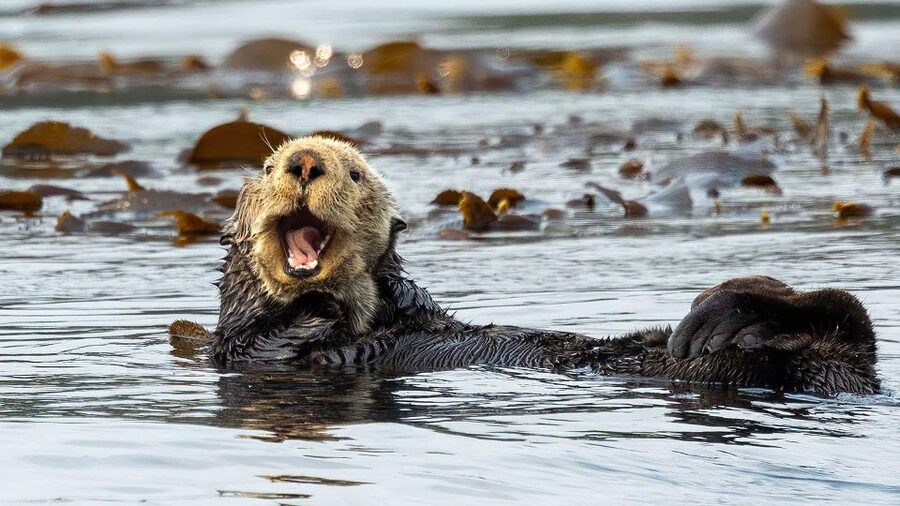
Northern Vancouver Island weather can be changeable. Fog is a real possibility, especially in August. A local nickname for that month is Fogust, which tells you something about the conditions you may meet.
Fog can soften the scenery and make wildlife harder to spot. It may also limit photography. On the other hand, poor weather does not automatically mean a wasted day. One outing in difficult conditions still produced excellent orca sightings, and the custom seats and supplied suits helped keep the group comfortable.
You should check the forecast, but do not assume a sunny harbor means clear offshore water. Dress for cold and damp conditions. If you strongly dislike uncertain weather or need guaranteed visibility, this may frustrate you.
The operator is clear that every species will not appear on every trip. I consider that a positive sign. Wildlife tours are more trustworthy when they set realistic expectations rather than promise a fixed list of animals.
Is $276 a fair price?
At $276 per person, this is an expensive half-day activity. The price makes more sense when you count what is included: a five-and-a-half-hour guided outing, a small 12-passenger boat, suspension seating, flotation gear, binoculars, warm hats, lunch, hot drinks, a hydrophone, and an onboard toilet.
You are also paying for the boat’s range. A slower vessel might keep you near one area, while these fast RHIBs can cover more water in search of wildlife. That does not guarantee sightings, but it improves the crew’s options.
The local guiding is part of the value, too. You are not simply renting a boat and scanning the horizon alone. The driver and naturalist interpret the wildlife, manage the route, and help the group approach animals respectfully.
I would call the price fair for a wildlife-focused visitor who values a small group, good equipment, and a long time on the water. It is less appealing if you want a cheap scenic ride or if you are uncertain about handling rough water. Port Hardy is remote enough that a strong wildlife day can become the main event of your stay, which makes the cost easier to justify.
Free cancellation up to 24 hours before departure and the option to reserve now and pay later give you some flexibility. Still, the most important decision is physical comfort, not the booking policy.
Who should book this Port Hardy outing?
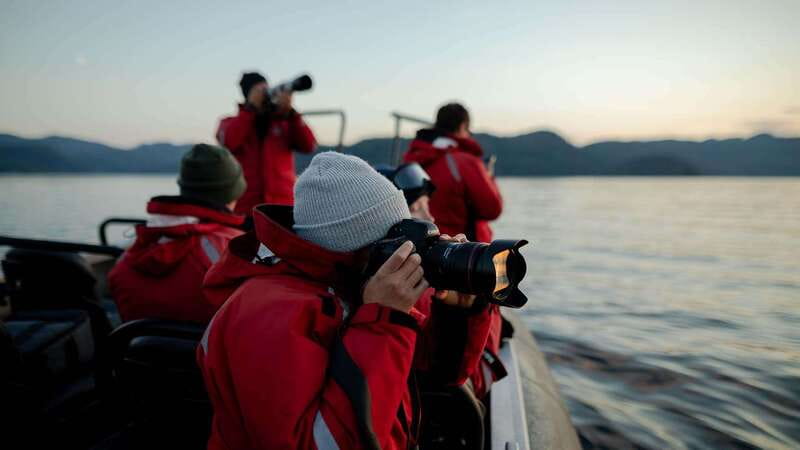
I would recommend it most strongly to wildlife photographers, whale enthusiasts, couples, families with older children, and anyone who wants a close look at northern Vancouver Island’s marine world. The included gear makes it easier for visitors who do not travel with marine equipment.
It also suits people who prefer a small, active outing over a large boat with indoor seating. The local guides, hydrophone, and time on the water give the trip substance beyond a quick photo stop.
I would be cautious if you have back trouble, get seasick, dislike cold weather, or need a guaranteed sighting. The high-speed boat is more comfortable than many small craft, but it is still a small boat on open water.
The trip is also a good choice if you care about respectful wildlife watching. The guiding approach emphasizes observing animals without disturbing them, and the setting in Kwakwakaʼwakw First Nations traditional waters adds important local context.
Should you book it?
Book this tour if you want the best chance to search widely for whales and sea otters from a small, fast boat, and if you appreciate good safety gear and thoughtful guiding. The suspension seats, included lunch, hydrophone, and onboard toilet make a real difference over 330 minutes.
Skip it if seasickness or back pain is a serious concern, or if fog and uncertain sightings would spoil your day. For everyone else, this looks like one of Port Hardy’s strongest full-day wildlife choices, especially when you treat the animals, not a fixed checklist, as the star of the outing.
FAQ
Where does the Port Hardy sea otter and whale tour meet?
Meet at Coastal Rainforest Safaris’ office at 7185 Market Street in Port Hardy.
How early should I arrive?
Arrive 30 minutes before departure so you can be fitted with a two-piece flotation suit and sign a waiver.
How long does the tour last?
The experience lasts 330 minutes, or five and a half hours.
What wildlife might I see?
Possible sightings include sea otters, whales, orcas, and other marine wildlife. Sightings vary, and no particular species is guaranteed.
Is lunch included?
Yes. Lunch and hot drinks are included in the tour.
What equipment is provided?
The operator provides two-piece flotation suits, warm hats, binoculars, and access to an onboard hydrophone. The boat also has a toilet.
Is the tour suitable for people with back problems or seasickness?
The tour is not suitable for people with back problems or people prone to seasickness.
Can I cancel the booking?
Yes. You can cancel up to 24 hours before the tour for a full refund. You can also reserve now and pay later.
Newest reviews from Vancouver Island
- Private Boat Charter Explore Southern Gulf Islands Tour★ 5.0 · 6 reviews
- Axe Throwing in Victoria★ 5.0 · 6 reviews
- Victoria Vistas and Views Progressive Food Tour★ 4.5 · 6 reviews
- Best of Victoria Group Tour w/ Malahat Skywalk & Butchart Gardens★ 5.0 · 6 reviews
- Wildlife, Waterfalls, Caves, Old Growth on Vancouver Island★ 4.5 · 6 reviews
- Sunset Zodiac Tour★ 5.0 · 7 reviews
- Victoria Alleyways and Ales Craft Beer Tour★ 5.0 · 7 reviews
- Then & Now Walking Tour★ 5.0 · 8 reviews
Vancouver Island Tours, compared.
Cowichan Bay Half Day Whale & Wildlife Adventure
Read our review →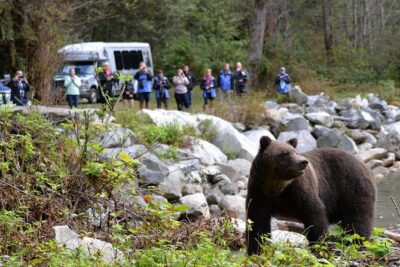
Great Bears of Bute: Grizzly Bear Viewing & Indigenous Cultural Tour
Read our review →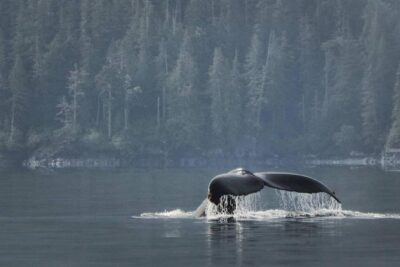
Vancouver Island Half-Day Whale Watching Tour – Telegraph Cove
Read our review →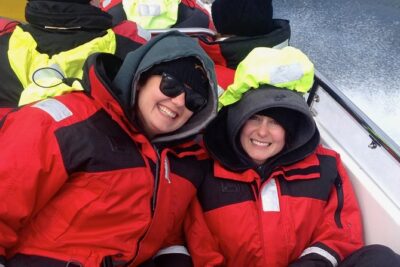
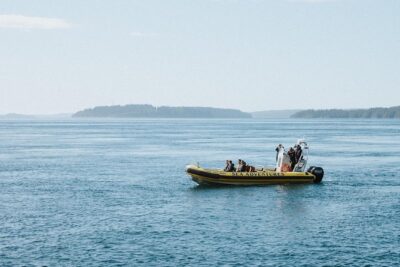
Vancouver Island Zodiac Whale Watching Adventure – Telegraph Cove
Read our review →
Browse the lists this tour appears in