
Reviewed · OTTAWA TOURS
Ottawa : Historic Tour of the Ottawa Jail Hostel
Ottawa hides a prison in plain sight. The Saintlo Ottawa Jail Hostel offers an unusual look at the city through its former jail, where you can see Death Row and the gallows, original bars, heavy doors, and the cramped spaces built for punishment. I like the honest atmosphere, and I like that guides such as Taf, Ariel, Simon, and Brooklyn bring the building to life with personal, well-told stories.
The main drawback is the pace. One hour is enough for a sharp introduction, but several visitors felt rushed when groups were larger, especially when trying to see details or take photos. You will also climb stairs, and the subject matter can be grim, so this is not a casual sightseeing stop for young children or anyone uncomfortable in tight spaces.
In This Review
- Key points to know before you go
- Entering the former prison at 75 Nicholas Street
- Seeing a jail designed to make life miserable
- Death Row, the gallows, and the tour’s darker edge
- Original bars, cells, and heavy metal doors
- What the one-hour itinerary feels like
- How much time you get, and why group size matters
- The guides are the heart of the visit
- Who should book the Ottawa Jail Hostel tour?
- Booking and practical advice for your visit
- Should you book the Ottawa Jail Hostel tour?
- FAQ
- Where does the Ottawa Jail Hostel tour begin?
- How long does the guided tour last?
- How much does the tour cost?
- Is transportation included?
- What languages are available?
- Does the tour include Death Row and the gallows?
- Are children allowed on the tour?
- Is the tour accessible for wheelchair users?
- Can I record the tour?
Key points to know before you go
- A jail for more than a century: The building served as a prison for over 100 years before becoming a hostel for about 50 years.
- Death Row and the gallows: The tour includes some of the jail’s most sobering original features.
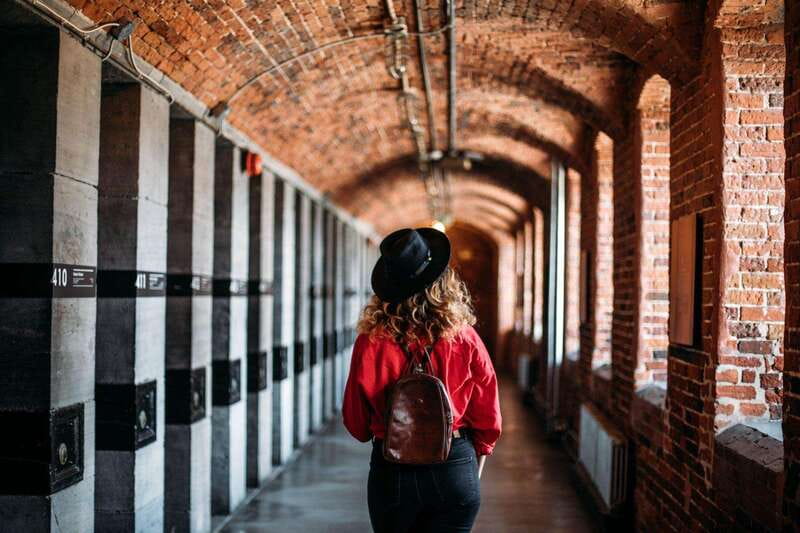
- Original prison details remain: Bars, metal doors, cells, and other architectural features help you picture daily life inside.
- A guide-led history lesson: Taf, Ariel, Simon, Brooklyn, and others have been praised for clear storytelling and thoughtful answers.
- A central downtown location: The hostel at 75 Nicholas Street is within walking distance of Parliament Hill, the National Gallery of Canada, and the Rideau Canal.
- A short but active visit: The tour lasts one hour, uses stairs, and is not suitable for children under 10 or wheelchair users.
Entering the former prison at 75 Nicholas Street
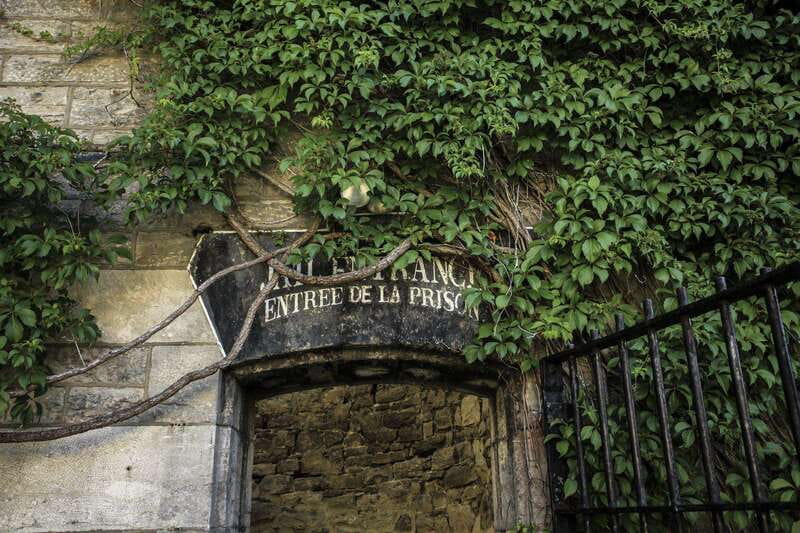
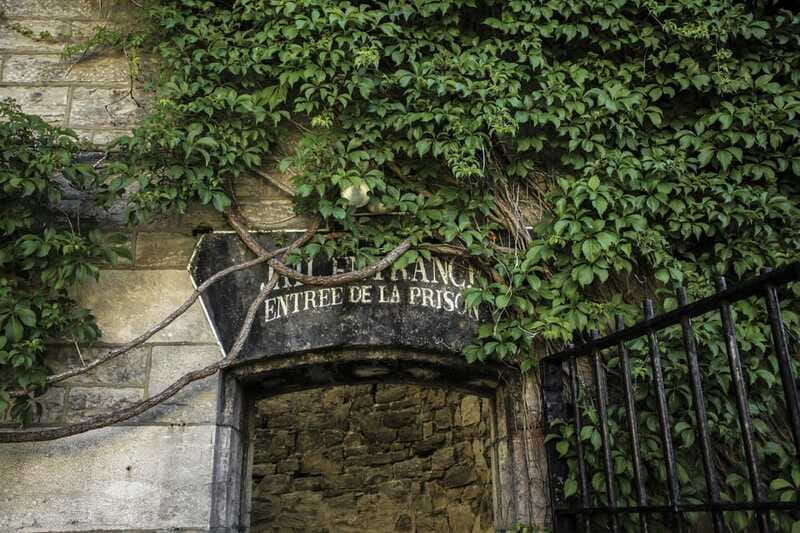
Your tour begins at the reception desk of Saintlo Ottawa Jail Hostel, at 75 Nicholas Street. That address puts you in the heart of downtown Ottawa, so it is easy to fit the visit around Parliament Hill, the National Gallery of Canada, or a walk beside the Rideau Canal.
The location is part of the appeal. You do not need to spend half a day reaching an out-of-the-way museum. You can visit the jail in one hour and continue on foot to several of Ottawa’s best-known sights.
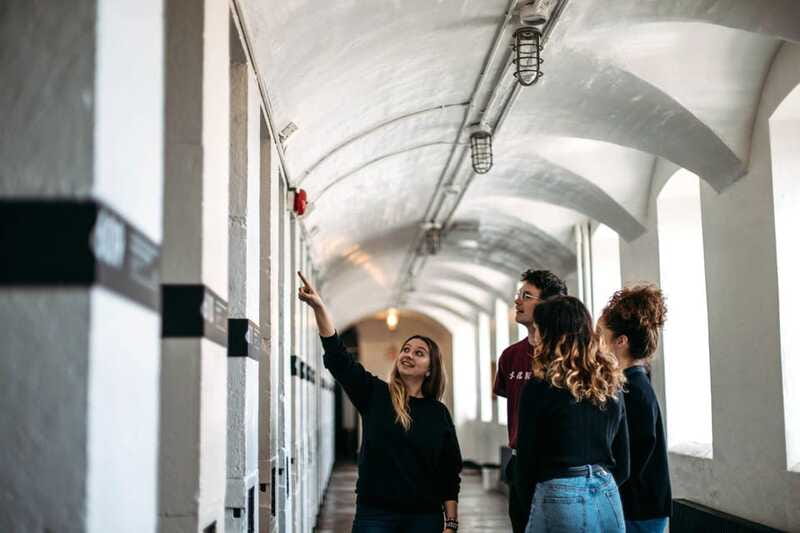
The first surprise is the building’s present use. This is not simply an abandoned prison preserved behind glass. It has operated as a hostel for roughly 50 years, while much of the old structure remains visible. That contrast gives the tour its character: modern hostel life occupies a place designed for confinement.
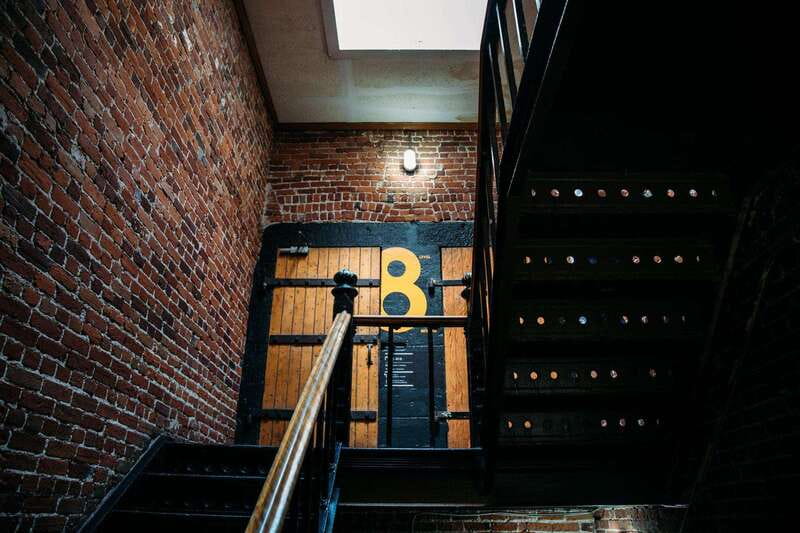
I find that more meaningful than a polished reconstruction. The old prison features are not presented as a stage set. Bars remain on windows. Heavy metal doors still suggest the weight and control built into the place. The building’s heritage designation also recognizes its architectural and historical value to Ottawa and Ontario.
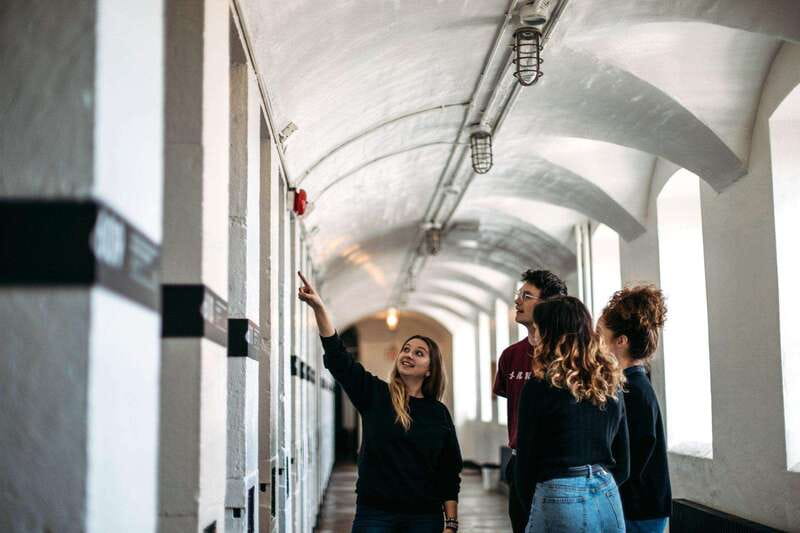
You meet the guide at reception, then begin the walk through the former jail. Since the tour is guided, you are not left to guess what each room was used for or why the building was designed as it was.
More historical tours:
- Gatineau: Canadian Museum of History Admission
★ 4.8 · 230 reviews - Victoria Guided Food and History Tour
★ 5.0 · 2,015 reviews - Gastown Historic Walking Food Tour
★ 5.0 · 1,863 reviews
Seeing a jail designed to make life miserable
The strongest part of the visit is the way the architecture explains prison life. You are not only looking at old walls. You are hearing how the building’s design affected the people confined there.
A particularly memorable tour led visitors through the logic of a prison intended to make life as unpleasant as possible. That approach gives the architecture a grim clarity. A barred window, a thick door, or a narrow passage stops being a simple old feature. Each one becomes part of a system built around restriction, surveillance, and discomfort.
Your guide may also place the jail within wider changes in Canadian prison history. Stories can include notorious inmates, debtor prisons, and the eventual end of imprisonment for debt. These details help you understand that the building reflects changing ideas about punishment, law, and social order.
The most effective guides keep the material human. Ariel has been praised for explaining the jail with warmth and natural enthusiasm, while Taf has earned strong marks for being attentive, entertaining, and clear. Simon has also been singled out for offering extra time when the group was very small.
Guide quality matters here because the building itself can feel stark. Without context, you might see a series of cells and doors, then move on. With a good guide, those same features become evidence of how the institution worked and what it demanded from people inside it.
Death Row, the gallows, and the tour’s darker edge
Death Row is the emotional center of the tour. Seeing the gallows gives the building a weight that ordinary prison exhibits often lack. You are faced with a place connected to executions, not just confinement.
The tour does not treat this as a spooky amusement ride. The material is serious, and some of the stories are disturbing. You might hear creepy details, but the main focus is the jail’s history and the people who passed through it.
Parental discretion is recommended because of the content. Children under 10 are not permitted, and I would take that rule seriously. Older children and teenagers may find the visit worthwhile if they can handle difficult subjects, but this is not a light family attraction.
If you are hoping for ghost stories, you should adjust your expectations. The tour’s appeal is the documented past and the physical building, not a paranormal performance. That makes it a better fit for visitors who want historical context rather than a haunted-house atmosphere.
The gallows also help explain why the one-hour format can feel full. A guide is covering architecture, prison routines, inmate stories, and the history of punishment in a compact visit. You will hear plenty, but you should not expect a slow, photo-focused exploration of every corner.
Original bars, cells, and heavy metal doors
The Ottawa Jail Hostel works best when you pay attention to small physical details. The bars on the windows are direct and unmistakable. The heavy metal doors show how much effort went into separating prisoners from the outside world. The cells and other original elements make the former jail feel authentic rather than rebuilt for display.
That authenticity is a major reason to visit. The hostel has been adapted for a new purpose, yet the old building’s integrity remains visible. You can see how a place created for control now functions as accommodation, a striking change in use that is central to the site’s identity.
The architecture may also be uncomfortable. You are walking through a building created to restrict movement, limit privacy, and make confinement feel permanent. That is valuable from a historical point of view, but it is not physically or emotionally easy for everyone.
The tour includes stairs. This is important to know before booking, especially because the stair climbing is not a minor footnote. The route is not suitable for wheelchair users, and people with claustrophobia may find the narrow, enclosed jail spaces difficult.
You should wear comfortable shoes and expect to move through the building rather than remain in one room. The tour is only an hour, so there is no need to dress for a long outing, but the stairs and hard surfaces make sensible footwear useful.
A few more tours worth putting side by side
- Ottawa: Bilingual Guided City Tour by Amphibious Bus
★ 4.6 · 2,089 reviews - Ottawa: Sightseeing River Cruise
★ 4.3 · 1,585 reviews - Ottawa: Rideau Canal Cruise
★ 4.4 · 1,303 reviews - Ottawa: Hop-On Hop-Off Guided City Tour Pass
★ 4.4 · 1,194 reviews
What the one-hour itinerary feels like

The itinerary is simple: meet at the hostel reception, take the guided tour, and return to 75 Nicholas Street. There is no transportation included, which is hardly a problem given the central location.
The opening portion gives you the building’s background. You learn that it served as a prison for more than 100 years, then became a hostel for approximately five decades. This alone makes the visit unusual. You are seeing a place that has moved from punishment to lodging without losing its original identity.
The middle portion focuses on the old jail itself. Here, the guide explains original features and tells stories connected to inmates and prison life. This is where the visit benefits most from a strong guide. Taf has been praised for making the information engaging, while Ariel has been described as passionate and natural rather than scripted.
The final portion includes some of the most distinctive areas, including Death Row and the gallows. These stops give the tour its lasting impression, but they can also make the experience feel intense. You are not simply touring an old building. You are confronting the institution’s most serious purpose.
The tour returns to the hostel. That makes it easy to continue your Ottawa sightseeing or stay for a meal or overnight visit if the building’s unusual setting appeals to you. No separate transfer is needed.
How much time you get, and why group size matters
At $18 per person, this is a reasonably priced Ottawa attraction. You receive a one-hour guided visit in a heritage building, with access to areas and original features that you would not understand fully by walking through the hostel alone.
The value depends on what you want. If you prefer a large museum with many rooms, displays, and a full afternoon of exhibits, this will feel brief. If you want one distinctive stop between larger Ottawa attractions, the price is easy to justify.
Group size can change the experience. A small group gives you more room to see details, ask questions, and take photos. One late-day visit with only two people lasted more than two hours because the guide had time to expand the discussion. That is not something you should count on, since the standard duration is one hour, but it shows how much the format can improve when the group is small.
Larger groups may feel hurried. Some visitors wanted more time to examine the building and take pictures, while others felt that too much information was packed into the hour. The guide may be excellent, but there is only so much space and time when several people are moving through a working hostel.
If you care most about photographs, ask about the pace at the start and be ready to take pictures quickly when permitted. Video and audio recording are not allowed. Still photography may be accommodated, but you should follow the guide’s instructions and avoid slowing the group.
The guides are the heart of the visit
The jail’s strongest asset is its guiding team. Several guides have received high praise for combining facts with personality.
Taf has been described as attentive, fun, and highly informed. Ariel has impressed people with her natural delivery, detailed explanations, and ability to answer questions. Brooklyn has also been praised for being helpful and well prepared, while Simon has earned appreciation for strong stories and extra generosity with time when circumstances allowed.
I would place real value on this human element. A former jail can feel cold and repetitive if the guide simply lists dates and names. A good guide explains why a feature mattered, connects individual stories to larger changes, and leaves room for questions.
That said, the experience may vary slightly depending on who leads your group and how many people attend. The consistently strong response to different guides is reassuring, but no short tour can cover every aspect of the building. If you are especially interested in prison architecture, debtor prisons, or individual inmates, ask questions while you have the chance.
The guide’s role is also to set the right tone. The jail contains grim material, and a good balance of seriousness and warmth helps. The best approach is neither sensational nor dull. It lets you acknowledge the suffering connected to the building while still making the visit engaging.
Who should book the Ottawa Jail Hostel tour?
I recommend this tour to adults, older children who can handle difficult subjects, history fans, architecture fans, and anyone looking for an unusual downtown Ottawa stop. It is particularly good for a small group of friends who enjoy local stories more than a standard sightseeing checklist.
It also suits visitors staying near downtown. Since you can walk from the jail to Parliament Hill, the National Gallery of Canada, or the Rideau Canal, the tour fits neatly into a day of central Ottawa sightseeing.
You may want to skip it if you dislike enclosed spaces, cannot manage stairs, or want a relaxed, photo-heavy visit. The tour is not suitable for wheelchair users, people with claustrophobia, or children under 10.
I would also think twice if you want a purely cheerful activity. The gallows, Death Row, inmate stories, and accounts of prison conditions make this a sober experience. The building’s atmosphere can be fascinating, but it is not comfortable in the usual sense.
Booking and practical advice for your visit
The tour is offered in English and French, with a live guide. Small-group availability can improve the experience, so I would choose a time that suits you rather than assuming every departure will feel identical.
Free cancellation is available up to 24 hours before the tour for a full refund. You can also reserve now and pay later, which helps if your Ottawa plans are still shifting.
Arrive at the hostel reception at 75 Nicholas Street. Since transportation is not included, plan to walk or make your own way to the downtown meeting point. The tour begins and ends there.
Remember these practical limits:
- Allow one full hour, with extra time if you want to continue exploring the area afterward.
- Expect stairs throughout the guided route.
- Do not plan to make video or audio recordings.
- Consider the subject matter carefully for children and sensitive visitors.
- People using wheelchairs cannot take this tour.
- People with claustrophobia may find the old jail spaces uncomfortable.
Should you book the Ottawa Jail Hostel tour?
Book it if you want a short, affordable, unusual look at Ottawa’s past. For $18, you get more than a quick look at an old hostel. You enter a former prison, see the gallows and Death Row, examine original features, and hear stories that explain how the building was designed and used.
The best reason to go is the combination of place and guide. The jail remains physically convincing, and guides such as Ariel, Taf, Simon, and Brooklyn have shown that strong storytelling can turn a one-hour visit into a memorable history lesson.
Skip it if stairs, tight spaces, or grim subjects are a problem. Also skip it if you need a long, unhurried museum visit with plenty of time for photos.
For most adults interested in Ottawa beyond Parliament Hill and the usual postcard sights, I think the tour earns its modest price. It is brief, central, and genuinely different.
FAQ
Where does the Ottawa Jail Hostel tour begin?
The tour begins at the Saintlo Ottawa Jail Hostel reception at 75 Nicholas Street in downtown Ottawa.
How long does the guided tour last?
The scheduled guided tour lasts one hour and returns to the starting point at 75 Nicholas Street.
How much does the tour cost?
The price is $18 per person.
Is transportation included?
No. Transportation is not included. You meet at the hostel and return there after the tour.
What languages are available?
The live tour guide is available in English and French.
Does the tour include Death Row and the gallows?
Yes. The tour includes Death Row and the gallows, along with original jail features such as window bars and heavy metal doors.
Are children allowed on the tour?
Children under 10 are not suitable for this tour. Parental discretion is recommended because some stories contain difficult or disturbing content.
Is the tour accessible for wheelchair users?
No. The guided tour includes stairs and is not suitable for wheelchair users. It is also not suitable for people with claustrophobia.
Can I record the tour?
No. Video recording and audio recording are not allowed.
Newest reviews from Ottawa
- Ottawa: Private Custom Tour with a Local Guide★ 4.5 · 42 reviews
- Ottawa 200th Anniversary Landmarks★ 4.5 · 44 reviews
- Secrets of the Château Laurier Hotel Tour★ 4.5 · 44 reviews
- Cycling Ottawa’s 200th Anniversary, self-guided★ 5.0 · 45 reviews
- Ottawa: Taste of the ByWard Market Food Tour★ 4.9 · 50 reviews
- Ottawa: 4 or 8-Hour Bike Rental with Self-Guided Tour★ 4.7 · 51 reviews
- Ottawa: Ecological Reserve Kayak Tour with Turtle Sightings★ 5.0 · 54 reviews
- Ottawa: Small Group Night Tour With River Cruise★ 4.2 · 54 reviews
Ottawa Tours, compared.







Browse the lists this tour appears in