
Reviewed · MONTREAL TOURS
Montreal Queerstory Tour
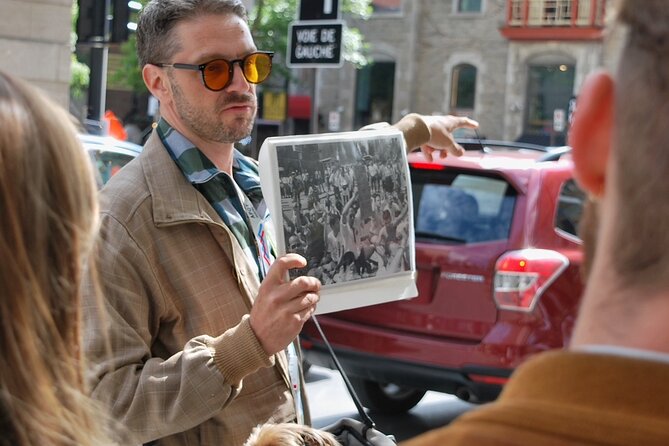
Montreal’s streets carry more queer stories than signs reveal. The Montreal Queerstory Tour brings those stories into focus through a 2.5-hour walk led by Thom, a guide who combines research, interviews, and personal storytelling. You move through the west end of downtown and the city’s former LGBTQ2+ neighborhood, linking ordinary streets with the people and events that shaped queer life in Montreal.
I like the tour’s human scale and its clear local purpose. Thom does not simply recite dates. He shares memories, personalities, struggles, and victories, including stories connected to gay men, lesbians, trans people, and Two-Spirit communities. I also like that your booking helps support local LGBTQI+ businesses. The main consideration is that this is an outdoor walking tour, so weather matters, and two and a half hours on foot may feel long if you prefer a seated museum visit.
In This Review
- Key points to know before you book
- Seeing Montreal through its queer past
- What Thom brings to the walk
- The old LGBTQ2+ neighborhood, where memory does the guiding
- Stories across gay, lesbian, trans, and Two-Spirit communities
- Why personal stories make the history stick
- Route, pace, and group size
- Is $54.33 a fair price?
- Who will get the most from this experience?
- Practical details that make the day easier
- Should you book the Montreal Queerstory Tour?
- FAQ
- Where does the Montreal Queerstory Tour start?
- Where does the tour end?
- What time does the tour start?
- How long does the experience last?
- How much does the tour cost?
- Is the tour offered in English?
- Can I cancel for a full refund?
Key points to know before you book
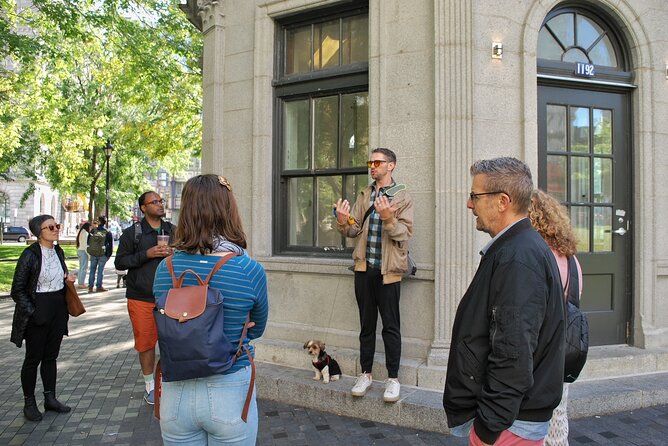
- Thom’s personal storytelling: The guide uses research, interviews, and primary sources to give the past a human voice.
- A walk through old queer Montreal: The route covers the west end of downtown and the former LGBTQ2+ neighborhood.
- More than one community’s story: The tour includes gay, lesbian, trans, and Two-Spirit experiences.
- A small group of up to 15: The size should make it easier to hear the guide and ask questions.
- A 2:00 pm start: You get a useful afternoon history walk, with the tour ending near Beaver Hall Hill.
- Strong value for history-minded visitors: At $54.33, you pay for a focused local experience rather than a broad city overview.
Seeing Montreal through its queer past
I like city walks that change the way I read familiar streets. This one is designed to do exactly that. Instead of treating Montreal’s LGBTQI+ past as a single stop in the Gay Village, it follows the older places and neighborhoods that helped shape queer life in the city.
The route begins at 1801 Maisonneuve Boulevard West, in downtown Montreal, and ends near Beaver Hall Hill. That start and finish suggest a walk across the west end of central Montreal rather than a loop back to the starting point. You should plan your transportation with the end point in mind, especially if you have dinner reservations or another activity afterward.
The route’s subject is not only buildings that remain. Thom also points toward places that have disappeared, changed names, or faded from public memory. That matters because queer history is often easy to lose when a business closes or a neighborhood changes. A standard sightseeing walk may show you grand architecture and famous streets. This one asks you to consider who used those streets, who felt safe there, and who had to fight for the right to gather openly.
A few more tours worth putting side by side
- Montreal: Guided Bus Tour
★ 4.4 · 3,064 reviews - Montreal: Hop-On Hop-Off Double-Decker Bus Tour
★ 4.1 · 2,760 reviews - From Montreal: Quebec City and Montmorency Falls Day Trip
★ 4.5 · 2,669 reviews
What Thom brings to the walk
The guide is the heart of this experience. The strongest praise centers on Thom’s warmth, passion, and ability to tell stories with feeling. That does not mean the tour is a simple personal memoir. The material also draws on research, interviews with important participants, and several primary sources.
I value that mix. A history walk can become dry when it sticks only to laws and dates. It can also become too narrow when it relies only on one person’s memories. Thom appears to balance both sides, connecting public events with the people who made choices, took risks, organized, or simply kept going.
You can expect stories about individuals who helped make life easier for LGBTQI+ people today. The focus is on what those people did and what they were like, not just on their names. That personal detail gives the walk emotional weight and helps explain why social progress rarely arrives by itself.
The guide also seems comfortable making room for difficult material. The experience deals with struggle as well as triumph, and the historical comparisons can lead to discussion long after the walk ends. I would choose this tour if you want a thoughtful experience that may challenge easy assumptions about how rights and acceptance developed.
The old LGBTQ2+ neighborhood, where memory does the guiding
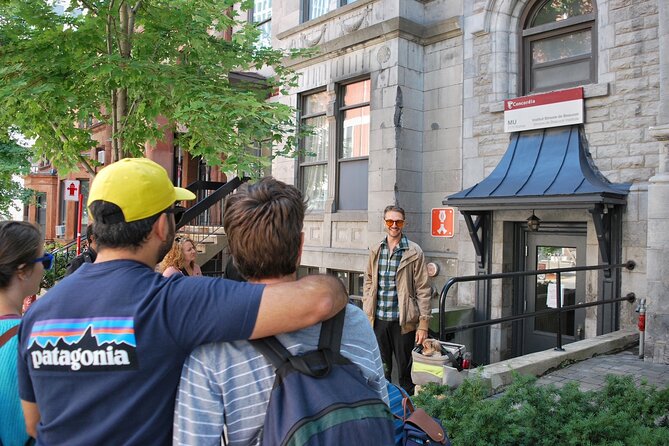
The itinerary is built around the old LGBTQ2+ neighborhood and places that marked different eras of Montreal’s queer life. Some stops may be physical locations you can see. Others are remembered through stories about long-gone spots. That approach is especially useful in a city where the visible signs of an earlier queer community may no longer be obvious.
You are not simply looking at a building and hearing that something happened there. The purpose is to connect each place with the people who used it and the wider changes taking place around them. A vanished venue can be as important to the story as a surviving landmark, even if there is no plaque or dramatic facade.
This is also where the walk differs from a general Montreal orientation tour. You are not getting a quick tour of the city’s major sights. You are getting a specific lens on downtown, one that reveals how queer communities created spaces, formed networks, and responded to pressure.
The drawback is that the supplied details do not provide a stop-by-stop list of names or addresses. If you want a precise landmark checklist before booking, this tour may feel less predictable than a standard architectural walk. Its strength is the guide’s storytelling, not a fixed catalog of photo stops.
Stories across gay, lesbian, trans, and Two-Spirit communities
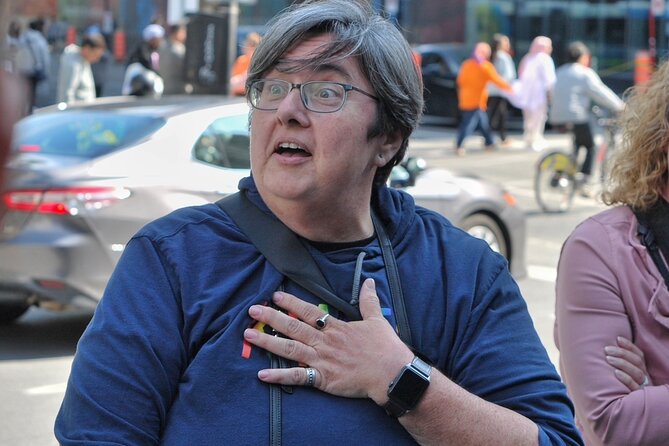
One of the most important features is the range of communities included. The tour addresses gay men, lesbians, the trans community, and Two-Spirit people rather than presenting queer history as one uniform experience.
That breadth gives the walk greater value. Different groups have not always faced the same dangers, found the same kinds of support, or received equal attention in public history. Including several perspectives helps you see both shared struggles and distinct experiences.
The tour also places Montreal’s story within a wider discussion of LGBTQ rights in Canada and beyond. That larger view helps explain why local events matter. A story tied to one street or neighborhood may connect to national debates, international shifts, and the personal choices of people who decided to act.
I would especially recommend this aspect to anyone who has learned queer history mainly through broad national summaries. Montreal offers a local view, grounded in real places, while still showing how local change can affect life far beyond one neighborhood.
A completely different kind of day out on the same trip:
- Montreal Mile End Authentic Food Tour with 7 Delicacies Tastings
★ 5.0 · 2,598 reviews - Quebec City and Montmorency Falls Day Trip from Montreal
★ 4.0 · 2,437 reviews - The Original Old Montréal Walking Tour by Guidatour
★ 4.5 · 2,217 reviews - Old Montreal Small-Group Walking Tour | Max 10 | by MTL Detours
★ 5.0 · 2,088 reviews
Why personal stories make the history stick
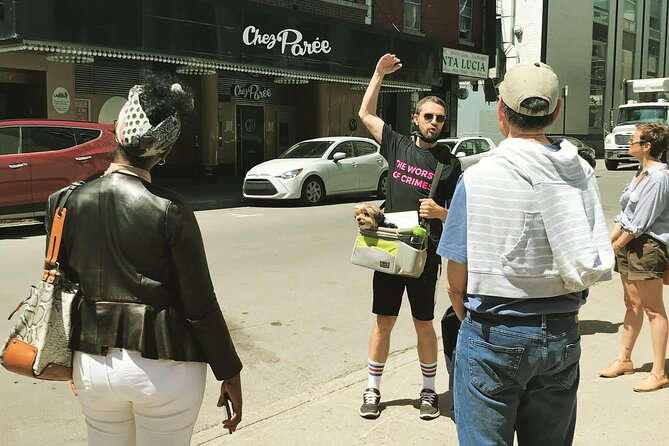
Facts tell you what happened. Personal stories help you understand what those events felt like. The strongest part of this tour seems to be the way Thom connects historical change to emotion, personality, and memory.
That approach can make a difficult subject easier to follow. You may hear about people who led, organized, resisted, or helped others through uncertain times. Their choices turn abstract ideas such as rights, visibility, and acceptance into something you can picture.
I also like that the tour is described as provocative. That word suggests you should not expect a neutral list of dates with no interpretation. Thom’s goal appears to be getting you to think about how Montreal became more open, who made that possible, and what may still be overlooked.
For me, the best city tours leave you talking about them afterward. This one has that quality. The history is presented as something connected to the present, not as a finished chapter safely locked in the past.
Route, pace, and group size
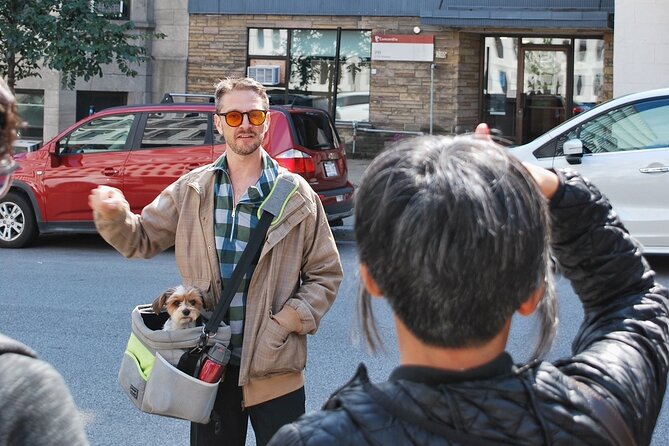
The tour lasts about two hours and 30 minutes and starts at 2:00 pm. That timing works well if you want a morning for museums, markets, or independent sightseeing before joining the walk. It also leaves part of the evening free after the finish near Beaver Hall Hill.
The group limit is 15 people. That is small enough to keep the guide’s voice and stories central without making the walk feel like a private tour. A group of this size should also give you a fair chance to ask questions, though the exact feel will depend on how many people attend.
You should wear comfortable shoes and be ready to walk outdoors for the full session. The tour requires good weather, so keep some flexibility in your schedule. If poor weather cancels the experience, you are offered another date or a full refund. The same applies if the minimum number of participants is not reached.
The start point is near public transportation, and service animals are allowed. Most people can participate, but the information provided does not describe the exact distance, hills, or seating opportunities. If you need detailed mobility information, contact the provider before booking rather than guessing.
Is $54.33 a fair price?
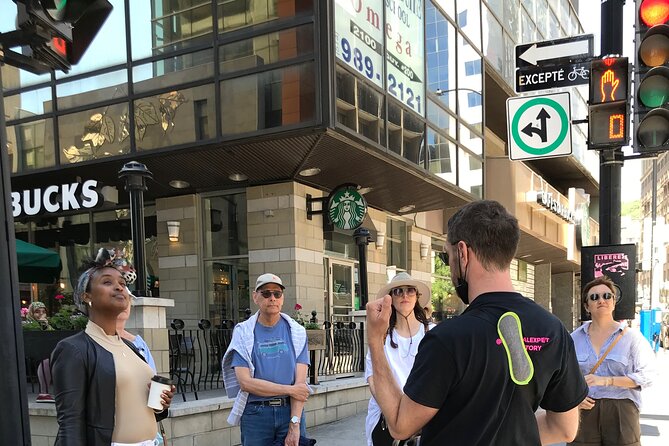
The price is $54.33 per person. That is not the cheapest way to spend an afternoon in Montreal, but it is fair if you value a specialist guide and a carefully researched topic.
The tour runs for about 150 minutes, which works out to roughly $21.73 per hour. More important than the arithmetic is what you receive for that time. This is not a general walk that touches briefly on queer history among many other subjects. The entire experience is built around Montreal’s LGBTQI+ communities, their places, and their stories.
The price also supports local LGBTQI+ businesses, which adds a practical community benefit. You are spending money on an experience designed to keep queer history visible and to connect visitors with a living local community.
I would not book it solely because you want to see a large number of attractions. A standard city tour may cover more ground and offer more visual variety. I would book this one because you want depth, a strong guide, and a more personal understanding of Montreal.
The tour is often reserved well ahead of time, with an average booking lead time of 47 days. That is a useful sign that you should not assume a last-minute place will be available. If the date matters to you, reserve early.
Who will get the most from this experience?
I see this tour working best for several kinds of visitors:
- You have a direct interest in LGBTQI+ history and want a local account rather than a general overview.
- You are visiting Montreal for the first time and want a different way to understand downtown.
- You enjoy walking tours built around stories, people, and social change.
- You want to support LGBTQI+ businesses while learning about the city.
- You are traveling with a partner, family member, or friend and want an experience that can lead to meaningful conversation.
- You appreciate a guide who offers interpretation instead of simply pointing out buildings.
You do not need to identify as LGBTQI+ to find value here. The subject is part of Montreal’s civic and social history, and the walk offers a fuller picture of how the city changed.
I would think twice if you dislike emotionally serious material, want a fast-paced sightseeing route, or need guaranteed shelter from rain. The experience asks you to listen, reflect, and walk. It is not designed as light entertainment between major attractions.
Practical details that make the day easier
Your mobile ticket is confirmed at booking, and the tour is offered in English. The meeting point is 1801 Maisonneuve Boulevard West, office 600, Montreal, Quebec H3H 1J9. The end point is near Beaver Hall Hill in central Montreal.
Because the tour starts and finishes at different places, I would avoid leaving a car at the starting point unless you have a clear plan for getting back. Public transportation is nearby, and the finish near Beaver Hall Hill puts you in a useful downtown location for continuing your evening.
Free cancellation is available up to 24 hours before the 2:00 pm start time. Changes or cancellations inside that window are not accepted for a refund. The local time cutoff applies, so check the time carefully if you are booking from another time zone.
Should you book the Montreal Queerstory Tour?
I would book it if you want Montreal’s history told through people and places that ordinary sightseeing often misses. Thom’s personal style, research, interviews, and attention to several queer communities give the tour more substance than a quick orientation walk.
The strongest reason to go is the storytelling. The tour can help you see familiar downtown streets differently, while showing how local struggles connect to broader LGBTQ rights. The main tradeoffs are the price, the outdoor format, the English-only presentation, and the need to allow two and a half hours for walking.
If that sounds like your kind of afternoon, reserve ahead and leave room in your schedule for conversation afterward. This is the sort of tour that may continue in your head after you have reached Beaver Hall Hill.
FAQ
Where does the Montreal Queerstory Tour start?
It starts at 1801 Maisonneuve Boulevard West, office 600, Montreal, Quebec H3H 1J9, Canada.
Where does the tour end?
The tour ends near Beaver Hall Hill, Côte du Beaver Hall, Montreal, Canada.
What time does the tour start?
The scheduled start time is 2:00 pm.
How long does the experience last?
The walking tour lasts approximately two hours and 30 minutes.
How much does the tour cost?
The listed price is $54.33 per person.
Is the tour offered in English?
Yes. The tour is offered in English.
Can I cancel for a full refund?
Yes. You can cancel at least 24 hours before the experience start time for a full refund. Cancellations or changes made less than 24 hours before the start are not accepted for a refund.
Newest reviews from Montreal
- Montreal: Private Walking Tour of Downtown & Underground★ 4.8 · 6 reviews
- Montreal Home Dining & Dim Sum Cooking Class★ 4.5 · 6 reviews
- Montreal : Old Montreal Walking Tour With A Guide★ 4.2 · 6 reviews
- 3h Boat Safari – Montreal’s Nature and Iconic Attractions Tour★ 3.5 · 6 reviews
- Experience Old Montreal on e-scooters with a local comedian★ 5.0 · 6 reviews
- Private Transfer from Montreal Airport YUL to Montreal / Bromont★ 4.5 · 6 reviews
- Montreal: Canadian Forest Guided Tour by Snowmobile★ 4.3 · 6 reviews
- Montreal: Brewpub Experience Beer Tasting & Walking Tour★ 4.3 · 6 reviews
Montreal Tours, compared.

Montreal Mile End Authentic Food Tour with 7 Delicacies Tastings
Read our review →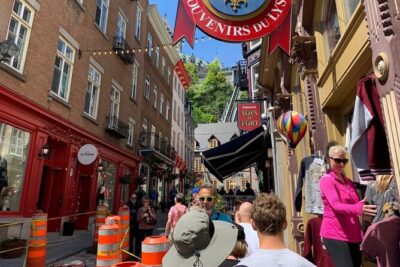
Quebec City and Montmorency Falls Day Trip from Montreal
Read our review →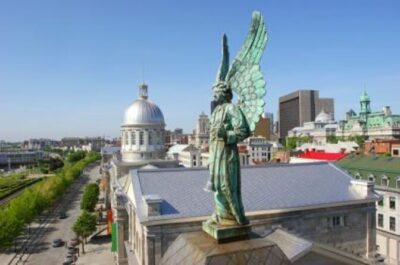
The Original Old Montréal Walking Tour by Guidatour
Read our review →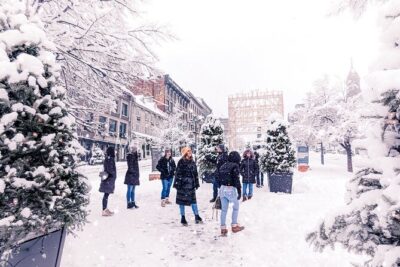
Old Montreal Small-Group Walking Tour | Max 10 | by MTL Detours
Read our review →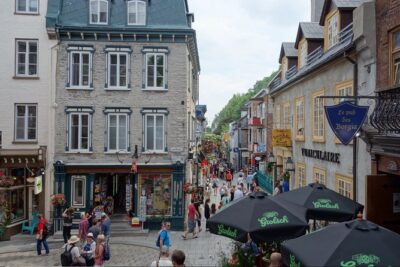
Montreal City Sightseeing Tour with Live Commentary
Read our review →Browse the lists this tour appears in