

Reviewed · MUSEUMS
Canadian Museum of History (Canadian Children’s Museum included)
Canada’s story fills an enormous building. The Canadian Museum of History combines Douglas Cardinal’s striking architecture with powerful displays on First Peoples, national events, and daily life across the country. I especially like the Grand Hall’s huge collection of totem poles and the Canadian History Hall, which presents Canada through both achievements and painful chapters. The included Canadian Children’s Museum adds a useful family option.
The main drawback is time. Two to three hours may cover the headline exhibits, but I would allow four to five hours if you want to read the displays, see the special exhibitions, and let children enjoy their own museum area. Also, a mobile ticket is convenient, but make sure it arrives before you go. One visitor had to buy replacement tickets at the counter while waiting for reimbursement.
In This Review
- Key points to know before you go
- Douglas Cardinal’s building makes a strong first impression
- The Grand Hall and its towering totem poles
- The Canadian History Hall puts the national story in order
- First Peoples displays give the visit its strongest purpose
- A useful choice for families: the Canadian Children’s Museum
- Special exhibitions and CINÉ+ add value
- How long should you allow?
- Mobile tickets, group size, and practical details
- Is the admission good value?
- Who will enjoy this museum most?
- Should you book the Canadian Museum of History?
- FAQ
- Where is the Canadian Museum of History?
- How long does the visit take?
- Is the Canadian Children’s Museum included?
- Are special exhibitions included?
- Is a guided tour included?
- What languages is the experience offered in?
- Are children aged 2 and younger free?
- Is the museum accessible by public transportation?
- What is the cancellation policy?
Key points to know before you go
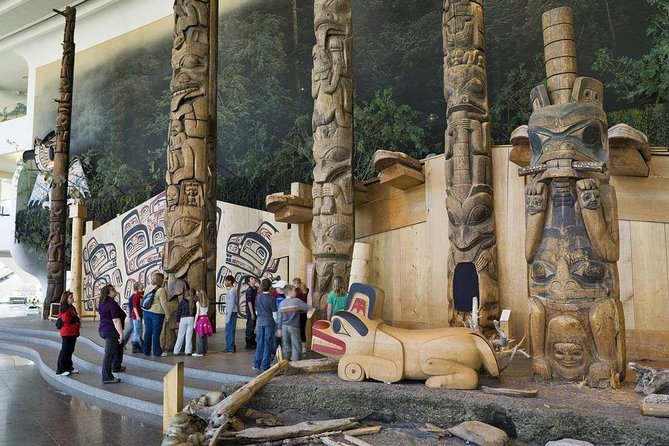
- The Grand Hall holds the world’s largest indoor collection of totem poles, making it the museum’s most memorable visual space.
- The Canadian History Hall runs from time immemorial to the present, with artifacts, people, events, and competing perspectives.
- First Peoples and Inuit cultures receive major attention, not just a brief introductory display.
- Your admission includes special exhibitions, CINÉ+, and the Canadian Children’s Museum at no extra charge.
- The museum is less than five minutes from downtown Ottawa and Parliament Hill, though it is in Quebec.
- Plan more than the listed two to three hours if you want a relaxed visit with children or careful reading.
Douglas Cardinal’s building makes a strong first impression
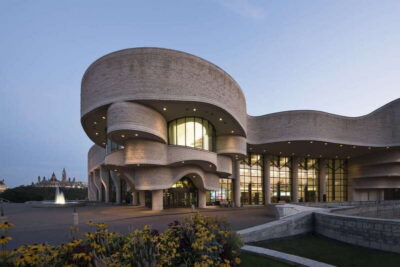
The museum begins before you reach the first artifact. Its building was designed by Canadian architect Douglas Cardinal, whose work gives the place a distinctive, flowing character. You are not entering a plain box filled with cases. The architecture sets the tone for a museum that wants Canada’s story to feel broad, layered, and human.
The location is practical for an Ottawa sightseeing day. The museum is in Quebec and less than five minutes from downtown Ottawa and Parliament Hill, so you can pair it with other central attractions. Transportation to and from the museum is not included, but the site is near public transportation. That matters if you are building a full day without a car.
Give yourself a few minutes to get oriented when you arrive. The building is large, and the collection covers a great deal of ground. If you rush straight to the most famous displays, you may miss how the galleries connect Canada’s oldest cultures with its modern identity.
More museums in Canada:
- Toronto: Royal Ontario Museum Admission Ticket
★ 4.6 · 1,237 reviews - Royal Ontario Museum Admission
★ 4.5 · 411 reviews - Toronto: Art Gallery of Ontario General Admission Ticket
★ 4.6 · 251 reviews
The Grand Hall and its towering totem poles
The Grand Hall is the visual centerpiece. It contains the world’s largest indoor collection of totem poles, and the scale changes how you see these works. A totem pole is not a small object to inspect from above. Here, the tall forms make you look upward and take in the craftsmanship as part of a larger cultural setting.
This is also the place where the museum’s attention to Indigenous cultures feels most immediate. You will see artifacts connected with First Peoples from across Canada, along with material from Inuit traditions. The displays offer a useful starting point for understanding the variety of cultures that existed long before the country’s modern political borders.
I would not treat the Grand Hall as a quick photo stop. Take time to look at the carvings, read the explanations, and consider how different communities use art, objects, and stories to carry knowledge across generations. The room is impressive at first glance, but it rewards a slower visit.
The Inuit material is another strong point. One visitor described the museum as a short walk through Canadian history, from the early Inuit period to the present day. That description fits the general flow, though the museum can take much longer than a short walk if you stop to read and reflect.
The Canadian History Hall puts the national story in order
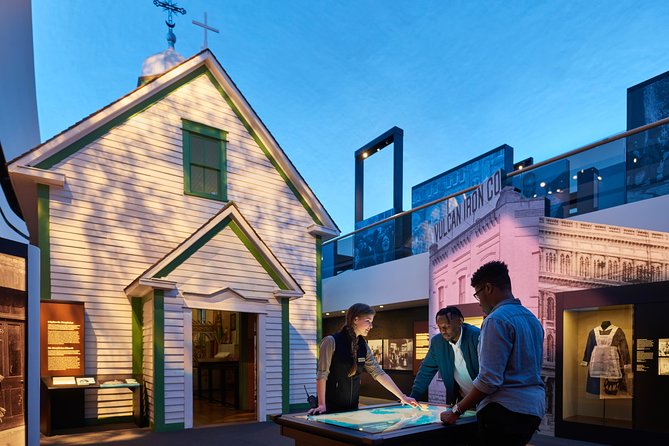
The Canadian History Hall is the museum’s signature exhibition, and it gives your visit a clear backbone. It follows Canada from time immemorial to today, using authentic artifacts and stories about events, personalities, and the forces that shaped the country.
The value here is not just the number of objects. The Hall helps you connect them. Instead of treating Canadian history as a pile of disconnected dates, it shows how people and decisions changed the country over time. You can expect attention to major achievements, but the presentation also addresses darker chapters and competing points of view.
That balance matters. A museum about Canada would be weak if it offered only proud national milestones. The Canadian History Hall makes room for the difficult parts of the story as well. By presenting more than one perspective, it gives you a better chance to understand why Canada’s past is still debated.
Families may want to set a simple goal before entering. Ask each child to choose one object, person, or event that they did not know about. Without a plan, the amount of material can become tiring, especially for younger children. With a little structure, the galleries can turn into a useful conversation rather than a long march past display cases.
First Peoples displays give the visit its strongest purpose
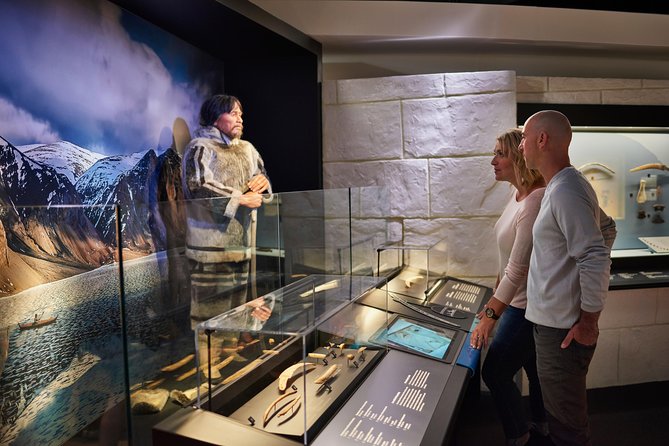
The museum’s best reason for visiting is its treatment of First Peoples and Indigenous cultures. The exhibits do not present Indigenous history as a small opening chapter before moving on to European settlement and modern Canada. Objects and stories from First Peoples are a major part of the museum experience.
The collection includes unique artifacts from Indigenous cultures across the country. You may find that the displays help explain the variety of communities, traditions, and environments that shaped life in Canada. The Inuit material, the totem poles, and other objects create a wider picture than a single regional museum could provide.
I also appreciate that the museum connects cultural heritage with living human stories. That approach keeps the objects from feeling like isolated antiques. You are encouraged to think about the people who made, used, inherited, and interpreted them.
This section deserves time and attention. If you have only two hours, do not spend all of them on the most obvious national exhibits. Make room for the Indigenous galleries, since they provide some of the museum’s clearest insight and most memorable objects.
More historical tours in Canada:
- Victoria Guided Food and History Tour
★ 5.0 · 2,015 reviews - Gastown Historic Walking Food Tour
★ 5.0 · 1,863 reviews - Vancouver: Gastown Historical Walking Food Tour
★ 4.8 · 539 reviews - Evening Gourmet Tour 5 Course Dinner – History and Food in Old Quebec City
★ 5.0 · 496 reviews
A useful choice for families: the Canadian Children’s Museum
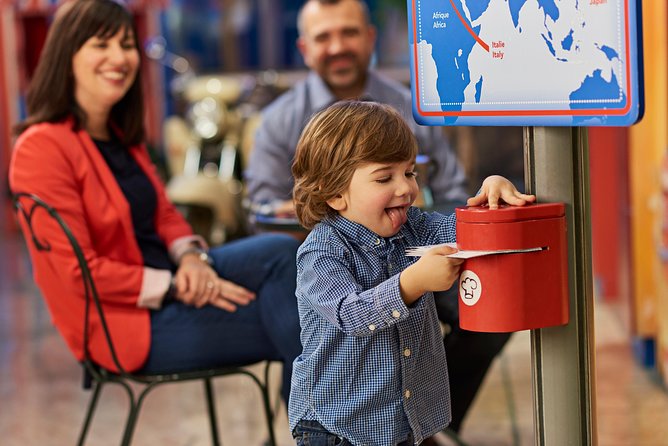
Admission includes the Canadian Children’s Museum, which makes this a more flexible outing for families. Children do not have to spend the entire visit reading adult-oriented historical panels. They can have a separate museum experience designed for them.
The available information does not describe each activity inside the Children’s Museum, so I would not promise specific exhibits or hands-on features. The important practical point is that it is included with admission. Families can use it as a planned part of the day rather than paying for another attraction.
Feedback from a family with children aged 11 and 7 points to the museum’s value for school-age children. The children became interested in Quebec history, and the comments made by guides were considered useful. Guided tours are not included in this experience, so that observation should not be taken as a promise that a guide will accompany your booking. Still, the museum clearly has material that can engage children when adults help connect the displays to a larger story.
You may want to split the visit. Start with a shared look at the Grand Hall and Canadian History Hall, then allow children time in their museum area while adults spend longer with the historical displays. That approach can keep everyone in better spirits.
Special exhibitions and CINÉ+ add value
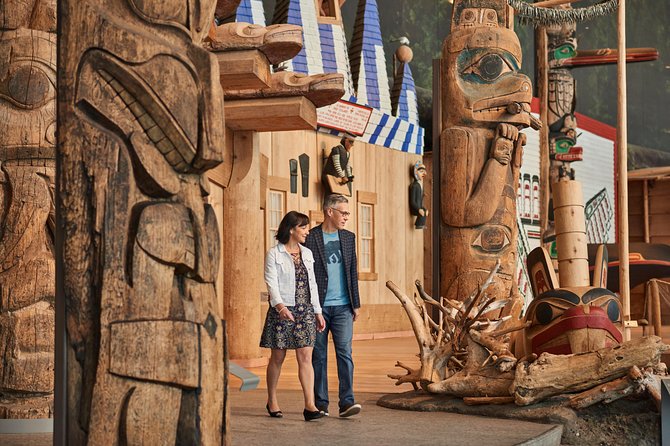
Your admission also includes access to special exhibitions and CINÉ+. This is an important value point because the museum visit is not limited to the permanent galleries. Depending on what is showing when you go, these additions can give your day more variety.
Since the specific special exhibitions are not provided here, check what is scheduled before setting your expectations. The same applies to CINÉ+. It is included, but the available information does not specify the films, screening times, or subject matter.
Still, the inclusion makes the ticket more useful. If you finish the main history displays early, you have additional options without buying another admission. If you stay for four or five hours, these included features can help create a full museum day rather than a single exhibition visit.
Food and drinks are not included, so plan around that. The supplied details do not specify dining facilities or outside-food rules. If you are visiting with children, consider your meal timing before entering, especially if you expect to stay well beyond the suggested two to three hours.
How long should you allow?
The official estimate is about two to three hours. That is realistic for a focused visit, especially if you concentrate on the Grand Hall and the Canadian History Hall. You can see the major spaces, gain a solid sense of Canada’s story, and leave without making the museum your entire day.
I would choose four to five hours if you want to read carefully, visit the special exhibitions, see CINÉ+, and include the Canadian Children’s Museum. One visitor specifically advised keeping four to five hours available, and another said a full day would not be enough to see and hear everything properly.
Both estimates can be true. The museum is large enough to support a quick overview and a much longer, more serious visit. Your timing depends on your style. I move quickly through some displays and stop for a long time at others, so I would rather schedule extra time than feel forced to skip the Indigenous collections.
A 9:00 a.m. start time gives you a useful full-day option. It lets you visit before other Ottawa plans, or spend much of the day at the museum and still have time later. Be aware that the experience is not a guided tour, and admission does not include a guide. You will set your own pace.
Mobile tickets, group size, and practical details
The experience provides a mobile ticket and confirmation at booking. That is simple in theory, but ticket delivery deserves attention. Check your email and booking details before leaving for the museum. If the ticket has not arrived, contact the provider rather than assuming the counter can solve everything without delay.
The maximum group size is 30. That limit may matter if you are booking as part of a larger organized party, though the visit itself is primarily a self-guided museum experience. You are not promised a personal guide or a scheduled guided tour.
Children aged 2 and younger enter free. Service animals are allowed, and most people can participate. The museum is near public transportation, which helps because transport is not part of the admission.
The experience is offered in English. If you need another language, the supplied details do not confirm that one is available. I would check directly before booking rather than assume.
Cancellation is flexible if you plan ahead. You can receive a full refund by canceling at least 24 hours before the local start time. Inside that 24-hour window, the amount paid is not refunded, and changes are not accepted.
Is the admission good value?
No ticket price is provided, so I cannot judge the exact cost in dollars. I can judge what the admission covers. You receive entry to the main museum, special exhibitions, CINÉ+, and the Canadian Children’s Museum, which gives the ticket more value than a basic single-gallery admission.
The value is strongest if you stay for several hours. A quick two-hour visit may still be worthwhile for the Grand Hall and Canadian History Hall, but the included extras matter more when you have time to use them.
I would be cautious about booking if you want a fully guided experience. Guided tours are not included, and the museum expects you to explore on your own. Some visitors wanted guides to interact more with them, so this is better for independent museum visitors than for anyone seeking a constant narrated tour.
For families, the value is easier to see. The Canadian Children’s Museum gives younger visitors a separate focus, while the main galleries offer material for adults and older children. Children under 3 enter free, which is another small advantage for families.
Who will enjoy this museum most?
You should make time for this experience if you care about Indigenous cultures, Canadian politics and society, or the way museums handle difficult national stories. The First Peoples displays and totem poles are the most praised parts, and they provide the clearest reason to visit.
Families with school-age children are also a good match, especially if you can give the visit a relaxed pace. The Canadian Children’s Museum helps, but younger children may not enjoy several hours of historical displays. Keep the day flexible and use the family section as a change of rhythm.
I would also recommend it for first-time visitors to Ottawa who want context before seeing other national sights. Its location near downtown Ottawa and Parliament Hill makes it easy to fit into a central sightseeing plan, while its Quebec setting gives you a reason to cross the river.
You may want to skip it if you have only a short stop in the capital and prefer outdoor attractions. The museum is too large for a hurried 60-minute visit, and its strongest material needs time.
Should you book the Canadian Museum of History?
Yes, if you can spare at least three hours and want more than a quick collection of national symbols. The giant totem poles, First Peoples displays, and Canadian History Hall make this one of the most useful cultural stops near Ottawa.
Book it especially if you are visiting with children, since the Canadian Children’s Museum is included. Just confirm your mobile ticket, do not count on a guide, and allow four to five hours if you want to see the museum properly rather than race through it.
FAQ
Where is the Canadian Museum of History?
The museum is in Quebec, Canada, less than five minutes from downtown Ottawa and Parliament Hill.
How long does the visit take?
The estimated duration is about two to three hours. You may want four to five hours if you plan to read the displays, visit the children’s museum, and see the additional included features.
Is the Canadian Children’s Museum included?
Yes. Admission includes access to the Canadian Children’s Museum.
Are special exhibitions included?
Yes. Your admission includes special exhibitions and CINÉ+.
Is a guided tour included?
No. Guided tours are not included with this experience.
What languages is the experience offered in?
The experience is offered in English.
Are children aged 2 and younger free?
Yes. Children aged 2 and younger are free.
Is the museum accessible by public transportation?
The museum is near public transportation. Transportation to and from the attraction is not included.
What is the cancellation policy?
You can cancel at least 24 hours before the local start time for a full refund. Cancellations or changes made less than 24 hours before the start time are not accepted, and the payment is not refunded.
Newest reviews from Canada
- YQB Airport Transfer★ 5.0 · 41 reviews
- Salish Sea Horse-Drawn Carriage Tour of Victoria★ 4.5 · 41 reviews
- Banff: Sightseeing, Lake Minnewanka Cruise and Banff Gondola★ 4.7 · 41 reviews
- Private Guided Rainforest Hike in Victoria★ 5.0 · 41 reviews
- Fly over the City of Ottawa in a Helicopter★ 5.0 · 41 reviews
- Kicking Horse River: Whitewater Rafting Experience★ 4.9 · 41 reviews
- Niagara Falls, Canada: Whirlpool Adventure Ropes Course★ 4.7 · 41 reviews
- Chinatown and Hidden Alleys Pedicab Tour★ 5.0 · 42 reviews
Museums, compared.


Art Gallery of Ontario General Admission Ticket
Read our review →

Browse the lists this tour appears in