
Reviewed · CANOES & KAYAKS
Algonquin Park 4-Day Deluxe Camping & Canoeing Adventure
Leave the road behind and let the lake set the pace. This four-day Algonquin Park outing combines canoe travel, backcountry camping, wildlife searches, hearty meals, and a small-group feel that is hard to find on a standard day trip. I especially like the isolated riverside campsite and the way the trip mixes active paddling with swimming, campfires, stargazing, and a homemade sauna.
The food is another strong point. Salmon, smoked meat sandwiches, steak, shrimp, and other camp-cooked meals make this far more comfortable than basic canoe camping. The main caution is the word deluxe: you are still in the wilderness, and the toilet setup is very rustic, with one particularly unhappy account describing a wooden box with little privacy. You need moderate fitness and a real tolerance for outdoor conditions.
In This Review
- Key points to know before booking
- What this Algonquin canoe trip is really like
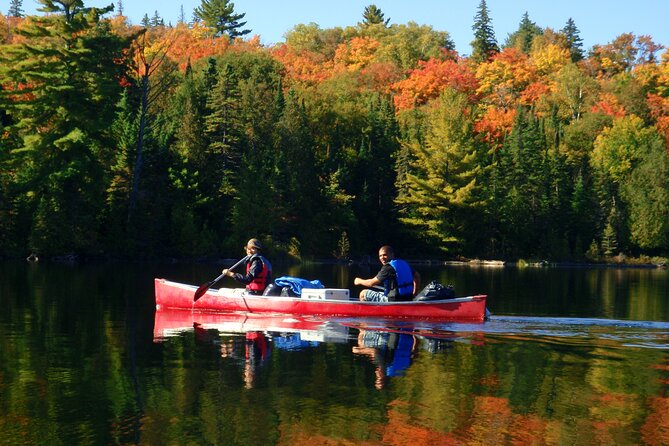
- Day one: paddling into an isolated campsite
- Day two: beaver habitat, swimming, and a serious camp feast
- Day three: four waterways in search of moose
- Day four: sunrise, hot chocolate, and the trip home
- Food, tents, and the meaning of deluxe
- Guide quality and group size
- Who should book this four-day adventure?
- Is $397.82 good value?
- Should you book the Algonquin Park canoe adventure?
- FAQ
- Where does the Algonquin Park canoe camping trip begin?
- How long does the experience last?
- How much does the tour cost?
- Is the tour offered in English?
- How many people can join the tour?
- Is canoeing instruction provided?
- What meals are included?
- Do I need to bring camping equipment?
- Is a certain fitness level required?
- Can I cancel for a full refund?
Key points to know before booking
- Three-hour canoe and portage entry: Your guide provides paddling and safety instruction before leading you into the backcountry.
- Prepared camp on arrival: Other guides set up the tents and airbeds before you reach the site, so you can begin relaxing sooner.
- Big meals in a small camp: Expect three dinners, two breakfasts, and three lunches, including salmon, Montreal smoked meat, rib steaks, shrimp, and desserts.
- Wildlife is a search, not a promise: Moose, beavers, loons, turtles, herons, and other animals may appear, but sightings are never guaranteed.
- A sauna beside the lake: The native-style sauna reaches about 85 C and ends with a swim.
- Small-group format: The maximum is 18 people, with the intimate feel depending on the group booked for your dates.
What this Algonquin canoe trip is really like
Algonquin Provincial Park is a natural fit for a canoe-based holiday. The park is known for lakes, narrow waterways, forests, wildlife, and long stretches where the only practical way forward is by paddle. This trip gives you a taste of that backcountry rhythm without asking you to carry every part of camp on your back.
The price is $397.82 per person for approximately four days. That is good value if you would otherwise need to rent camping equipment, plan meals, arrange a route, and hire a guide. Your camp is prepared before you arrive, and meals are handled for most of the trip.
Still, this is not a luxury lodge stay. You sleep in tents, use a very basic toilet arrangement, collect wood, help with the fire, paddle for hours, and spend much of the time away from ordinary facilities. Think comfortable guided camping, not hotel comfort in the woods.
The trip is offered in English, uses a mobile ticket, and begins and ends at the stated meeting point in Algonquin Park. Confirmation arrives when you book. Since the experience is often reserved about 72 days ahead, popular dates may disappear early.
More kayaking trips in Canada:
- Banff National Park Big Canoe Tour
★ 5.0 · 303 reviews - From Toronto: Algonquin Park Canoeing & Hiking Adventure
★ 4.6 · 291 reviews - Banff National Park: Big Canoe River Explorer Tour
★ 4.7 · 286 reviews
Day one: paddling into an isolated campsite
The first day begins with paddling and safety instruction from an accredited guide. This matters if you are new to canoeing, or if your family includes children who need clear rules before getting on the water.
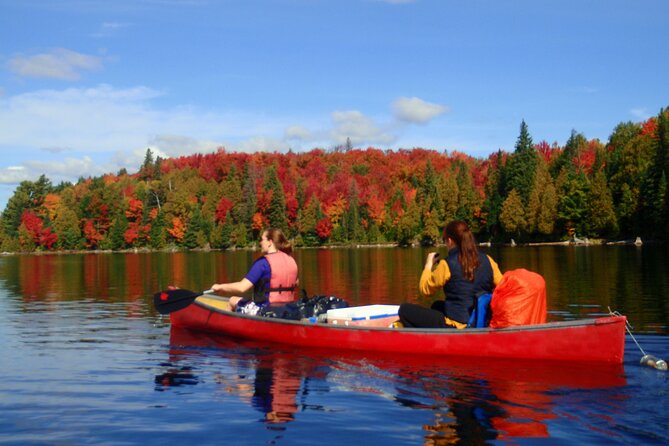
The first transfer into camp takes about three hours and includes canoe travel and portaging. A portage means carrying the canoe and gear between waterways, so do not treat this as a gentle boat ride with no physical effort. The exact amount of carrying is not given, but the itinerary makes clear that you should arrive ready to work.
A useful comfort is that other guides come ahead of the group. They set up the tents and prepare the airbeds before you arrive. That leaves you with less camp construction and more time to settle in, though you still need to bring your own backpack, clothes, and personal hygiene supplies.
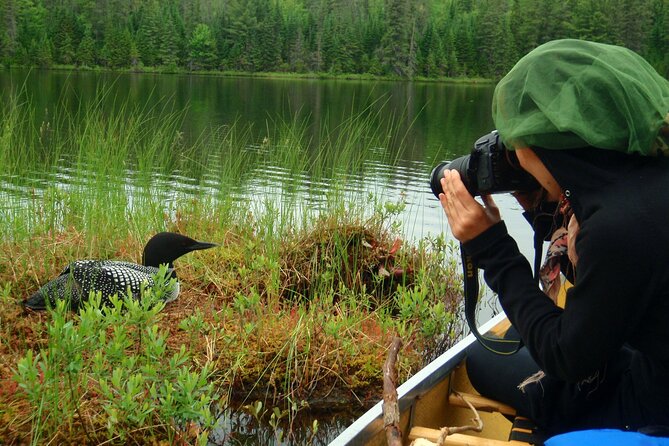
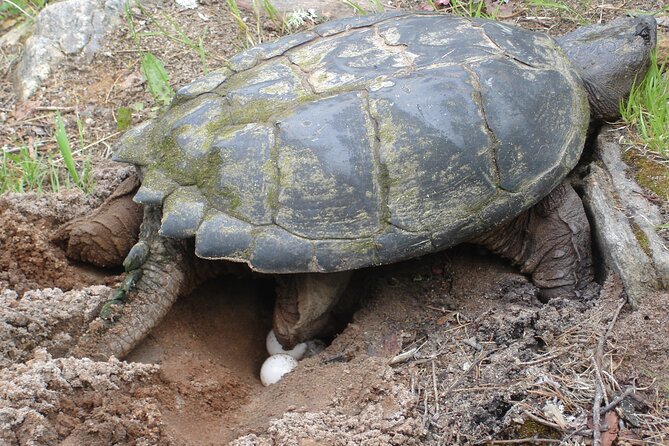
Once camp is ready, you can swim, relax, or look around the surrounding area. The guide also teaches fire-making without matches, a small but memorable skill that gives the trip a more hands-on feel. Five wildlife talks cover moose, bears, beavers, wolves, snapping turtles, and loons.
The evening is unusually full. A late gourmet lunch is followed by wood collection and fire building, then a 7:30 PM dinner of barbecue salmon with lemon and herbs and grilled naan. As the light fades, you get a basic astronomy lesson and may join a guided canoe outing under the stars to a beaver habitat.
That night paddle is one of the trip’s most appealing details. Calm water, bright stars, and the quiet of a beaver area offer something a busier daytime route cannot. It is also the sort of activity that depends on weather, water conditions, and the group’s energy, so keep your schedule flexible.
Day two: beaver habitat, swimming, and a serious camp feast
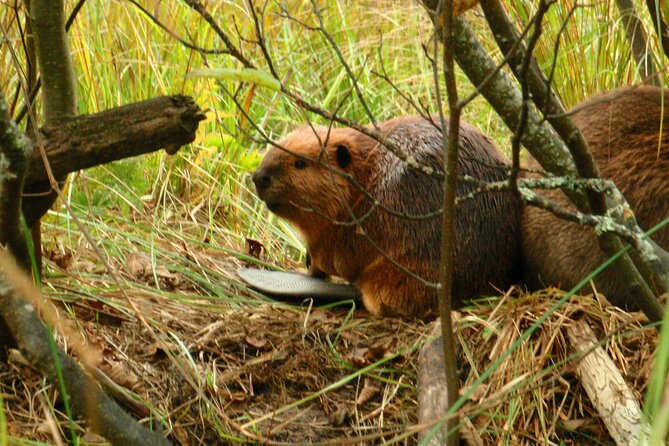
The second morning starts with a deluxe breakfast at 8:00 AM. At 9:00 AM, you set out by canoe through small inlets and narrow, winding rivers. The route is designed for wildlife watching, with a natural beaver lodge and dam as one of the targets.
These smaller waterways are valuable because they slow the trip down. You are not simply covering miles. You are looking into sheltered corners where animals may be easier to spot, listening for birds, and learning how beavers shape the water around them.
Back at camp, lunch is a Montreal smoked meat sub followed by cheesecake. That is a generous midday meal for a canoe camp, and it explains why this outing costs more than a basic guided paddle. Food is a genuine part of the program here, not just fuel in a packet.
Later, a short paddle leads to a swimming area with cliff jumps from 1, 2, 3, 5, and 7 metres. This portion deserves a careful note. You should only jump at a height you can manage, and the information provided does not promise that every jump will suit every person. A swim and time to relax are available for anyone who prefers not to leap from a rock.
Dinner is the trip’s most lavish meal: tomahawk rib steaks, barbecue jumbo shrimp, deer or bison skewers, grilled mushrooms, sweet peppers, corn on the cob, and small potatoes. A campfire, marshmallows, and games finish the evening.
This is a lot of food and activity in one day. If you like a full program, it will feel generous. If you prefer long quiet stretches, you may find the schedule busy. The best approach is to take the optional-feeling moments at your own pace and not feel obliged to do every activity.
Day three: four waterways in search of moose
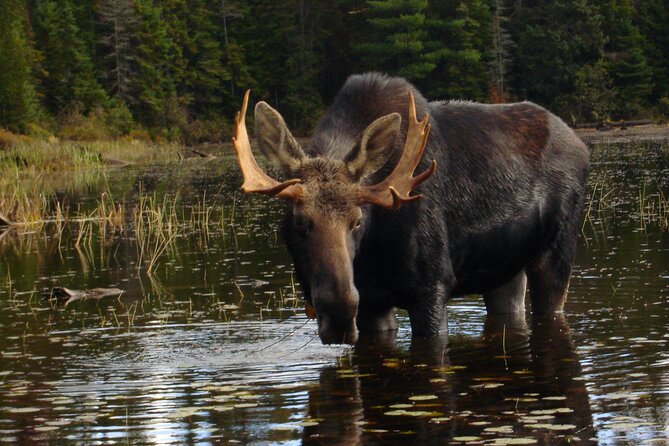
Day three is the most demanding outdoor day. After breakfast, you spend about six hours paddling and hiking through four small lakes joined by narrow rivers and inlets.
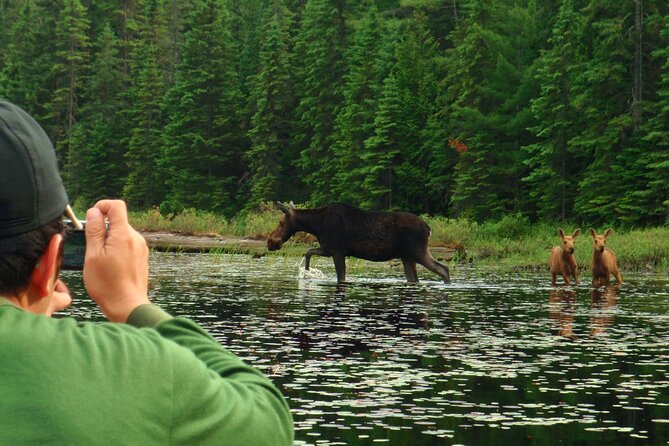
The goal is to find moose, along with beavers, loons, herons, and other wildlife. You also carry lunch for a picnic in the canoes on a beaver pond. This creates a fine balance between movement and stillness. You cover ground, but you also stop often enough to watch and listen.
Do not book this trip solely for a moose photograph. Some people on the outing have seen a moose, turtles, beavers, snakes, chipmunks, and nesting loons. Others have missed moose and beavers altogether and still considered the canoeing and scenery worthwhile.
That distinction is important. Wildlife in a provincial park is wild and unpredictable. A guide can know where animals are often found, but cannot order one to appear on schedule.
After returning to camp, the mood changes completely. The group builds a native-style sauna that reaches about 85 C. Sea salt is used for scrubbing, eucalyptus oils add scent, and Muskoka clay masks are part of the routine. The session ends with a swim in the lake.
This is an unusual extra for a canoe trip. It gives tired muscles a chance to recover and adds a social, almost festive moment to the day. It also requires comfort with heat, shared outdoor facilities, and a simple camp setting. You should not expect a private spa treatment.
A few more tours worth putting side by side
- 4-Day Canadian Rockies & Banff Classic Summer Tour
★ 5.0 · 163 reviews - Canadian Rockies and Banff 4-Day Tour from Vancouver (Chn&Eng)
★ 4.5 · 142 reviews - Yukon Aurora Viewing Package | 4 days
★ 5.0 · 35 reviews
Day four: sunrise, hot chocolate, and the trip home
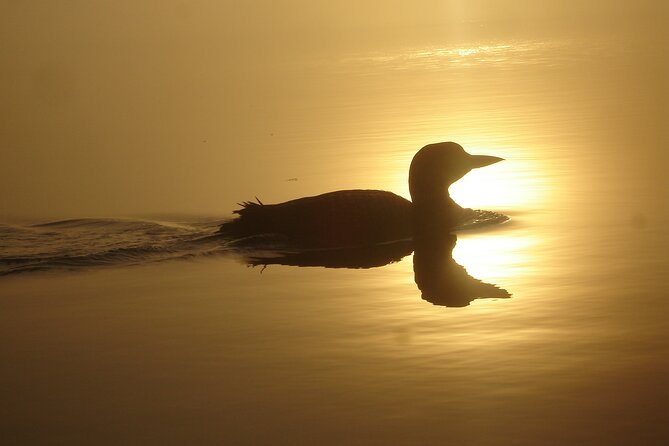
The final morning includes an optional sunrise canoe tour. You watch the sun come up over a calm lake with a cup of hot chocolate.
The word optional is useful here. After three active days, you may want the extra sleep. If you do get up, the quiet water and early light could be one of the finest moments of the trip, especially on a calm morning.
The supplied details do not include a final-day lunch. Lunch is included on three days, but the last lunch is specifically excluded, so plan for that gap. You also need to bring clothing, a backpack, and personal hygiene items.
The activity ends back at the meeting point. No separate transport details are provided, so make sure you understand how you will reach the starting point in Algonquin Park before the trip begins.
Food, tents, and the meaning of deluxe
The meal plan is the feature that most clearly separates this trip from ordinary canoe camping. Included meals cover three lunches, two breakfasts, and three dinners. The menu includes substantial portions and memorable camp cooking rather than plain trail food.
The trip has also received strong praise for its food preparation. Baz, the guide named in several accounts, is described as a warm host and an excellent camp cook. Christina is also credited with helping in the culinary department, including vegetarian meals.
That is useful if you have dietary needs, though you should still provide those details before departure. The information confirms vegetarian catering has been managed, but it does not list every available dietary option.
The tents and airbeds are prepared before you arrive, which saves time and effort. You will not have to begin the first afternoon by wrestling with poles and inflating beds. But the campsite remains basic, and the toilet arrangement is the clearest warning in the entire package.
One account describes a wooden box with no walls and little privacy, especially unpleasant in wet weather. That detail should not be brushed aside. If you need a proper enclosed toilet, this may not be the right trip for you. Ask the provider for the current setup before booking, since campsite conditions can change.
Guide quality and group size
Baz is the guide most often named in the supplied comments. He is praised for being funny, relaxed, caring, helpful, and experienced in the backcountry. Those qualities matter on a four-day trip because you spend a lot of time with the same guide, both on the water and around camp.
A good guide here does more than steer a canoe. You need someone who can explain paddling safety, identify wildlife, keep meals moving, manage a fire, organize a group, and respond sensibly when weather or energy levels change.
The maximum group size is 18 people. That is small enough to feel personal compared with a large sightseeing coach, though it is not necessarily a tiny private tour. The actual atmosphere will depend on how many people book your date and how well the group gets along.
Families have enjoyed the trip with children aged 11, 14, and 16. That suggests it can work well for active families, provided everyone can handle paddling, portaging, camping, and long outdoor days.
Who should book this four-day adventure?
I would recommend it to you if you want a guided introduction to Algonquin’s backcountry and like having the hard planning done for you. It suits people who want canoeing, wildlife, swimming, campfire evenings, and good meals in one package.
It is also a strong choice for families with older children, couples who want a shared outdoor challenge, and first-time canoe campers who would rather not organize tents, food, and route-finding alone.
You should think twice if you need privacy, indoor plumbing, soft beds, or a predictable wildlife schedule. The trip asks for moderate fitness, and the first and third days include meaningful paddling and walking. Service animals are allowed, but the remote camp setting may still require careful planning around your needs.
The 4.9 rating from 33 submitted ratings and the 97 percent recommendation figure support the idea that most people find the program worthwhile. I would still read the practical details closely, especially the toilet arrangement, physical demands, and last-day lunch.
Is $397.82 good value?
At $397.82 per person, the cost is reasonable for four days of guided access, prepared tents and airbeds, canoe activities, instruction, multiple excursions, and substantial meals.
You are paying for more than a campsite. The fee covers the guide’s time, camp preparation, food planning, route leadership, wildlife interpretation, and special touches such as the evening canoe trip and sauna. Hiring equipment and arranging similar meals independently could narrow the price difference.
The value is strongest if you want convenience without giving up the feeling of being far from roads and buildings. It is weaker if you already own camping gear, know Algonquin routes, and enjoy planning your own food.
Cancellation terms are worth noting. A full refund is available when you cancel at least six full days before the start time. A cancellation two to six days ahead receives 50 percent, while cancellations less than two full days ahead are not refunded. Changes follow the same cut-off rules.
Should you book the Algonquin Park canoe adventure?
Book it if you want a lively, guided wilderness trip with excellent camp cooking and plenty to do. The prepared camp, skilled guide support, wildlife searches, star canoe ride, cliff swimming, and sauna make this more varied than a simple paddle and tent night.
Skip it if a basic toilet, shared camping, portaging, or uncertain wildlife sightings would spoil the trip. My practical advice is to treat the deluxe label as a promise of better meals and easier camp setup, not hotel-style comfort. With that expectation, this looks like a very good introduction to Algonquin’s backcountry.
FAQ
Where does the Algonquin Park canoe camping trip begin?
It begins at the listed meeting point in Algonquin Park, Ontario, at G7PV+3F Algonquin Park. The activity also ends back at the meeting point.
How long does the experience last?
The experience lasts approximately four days.
How much does the tour cost?
The listed price is $397.82 per person.
Is the tour offered in English?
Yes. The experience is offered in English.
How many people can join the tour?
The maximum group size is 18 people.
Is canoeing instruction provided?
Yes. An accredited guide provides paddling and safety instructions before the canoe and portage journey begins.
What meals are included?
The package includes three lunches, two breakfasts, and three dinners. Lunch on the final day is not included.
Do I need to bring camping equipment?
Tents and airbeds are prepared at the campsite before you arrive. You still need to bring a backpack, clothing, personal hygiene items, and anything else you require for the trip.
Is a certain fitness level required?
Yes. A moderate level of physical fitness is recommended because the program includes canoeing, portaging, hiking, swimming, and several long outdoor days.
Can I cancel for a full refund?
Yes, if you cancel at least six full days before the experience start time. Cancellations two to six full days ahead receive a 50 percent refund, while cancellations less than two full days ahead are not refunded.
Newest reviews from Canada
- YQB Airport Transfer★ 5.0 · 41 reviews
- Salish Sea Horse-Drawn Carriage Tour of Victoria★ 4.5 · 41 reviews
- Banff: Sightseeing, Lake Minnewanka Cruise and Banff Gondola★ 4.7 · 41 reviews
- Private Guided Rainforest Hike in Victoria★ 5.0 · 41 reviews
- Kicking Horse River: Whitewater Rafting Experience★ 4.9 · 41 reviews
- Fly over the City of Ottawa in a Helicopter★ 5.0 · 41 reviews
- Niagara Falls, Canada: Whirlpool Adventure Ropes Course★ 4.7 · 41 reviews
- Chinatown and Hidden Alleys Pedicab Tour★ 5.0 · 42 reviews
Canoes & Kayaks, compared.
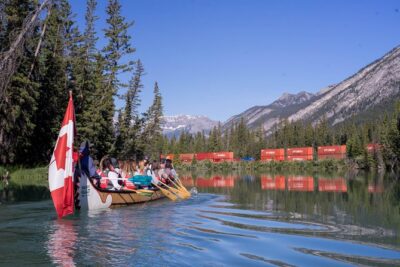
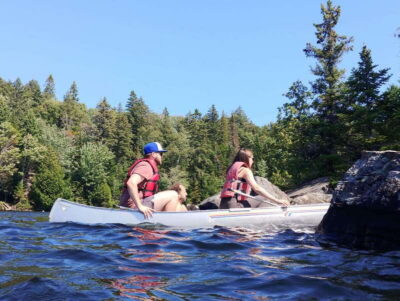
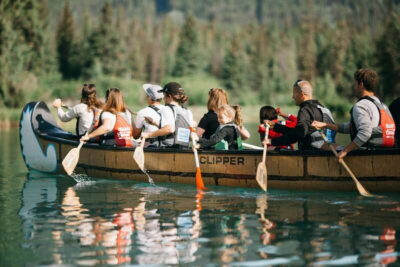
Banff National Park: Big Canoe River Explorer Tour
Read our review →
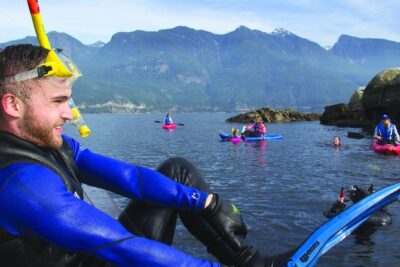
Snorkel, Kayak, and Seal Adventure: Vancouver Boat Tour
Read our review →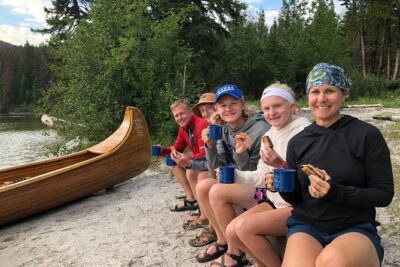
Wild Current Canoe Adventure Join a small group
Read our review →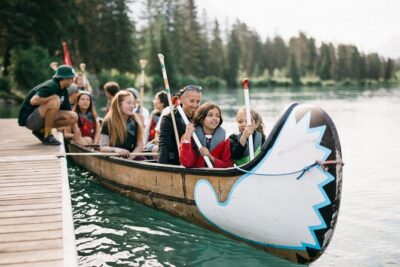
River Explorer | Big Canoe Tour in Banff National Park
Read our review →
Browse the lists this tour appears in