
Reviewed · WHISTLER TOURS
Whistler Via Ferrata Tour
Mountain views come with handholds here. The Whistler Via Ferrata gives you a guided route up Whistler Mountain, combining a glacier-side hike, a short scramble, and a protected climb using fixed cables and metal rungs. I like the small groups of no more than six and the calm, encouraging guides, including Maya, Jeremy, Victor, and Emile. I also like that you need no previous climbing experience.
The main catch is that the climb is more physical than the gentle wording might suggest. You need moderate fitness, steady mobility, and enough strength to pull yourself between footholds. The required gondola ticket costs extra, and the route can feel demanding for shorter climbers or anyone uneasy with heights.
In This Review
- Key points to know before you book
- What makes this Whistler climb different
- Starting at Garbo’s Cap Bar at 9:00 am
- Hiking across the glacier base
- The scramble before the cables
- Clipping in and climbing Whistler Mountain
- The halfway break for water, snacks, and photos
- Reaching the upper mountain
- Guides and the value of a small group
- Who should book this four-hour adventure?
- What to pack and what to wear
- Booking value and cancellation terms
- Should you book the Whistler Via Ferrata?
- FAQ
- Is climbing experience required for the Whistler Via Ferrata?
- How long does the Whistler Via Ferrata tour last?
- Where does the tour start and finish?
- What equipment is included?
- Is the gondola ticket included in the $149.46 price?
- What should I bring?
- What is the minimum age?
- How many people can join the tour?
- Can I cancel for a full refund?
Key points to know before you book
- The climb begins with a 30 to 45 minute glacier-base hike, so this is not a cable route from the gondola doors.
- You stay attached to safety cables during the climbing section, which helps many first-timers feel secure.
- A maximum of six people gives your guide time to help, explain the route, and manage nerves.
- Morning and afternoon departures are available, but an early start leaves more time for the mountaintop afterward.
- Gloves, water, snacks, sunscreen, and wool socks matter, especially on a sunny or snowy day.
- The gondola or Peak 2 Peak ticket is not included, so arrange that separately with Mountain Skills Academy & Adventures.
What makes this Whistler climb different
A standard mountain walk lets you admire Whistler from a trail. This experience asks you to use the mountain directly. You walk across snow or glacier terrain, scramble over rock, clip into a steel safety system, and climb with your hands and feet.
That combination makes the tour feel more substantial than a sightseeing ride, but it is not a technical climbing course. You do not need climbing experience. Your guide provides the harness, helmet, and climbing equipment, then explains how to move along the route.
I see this as a good middle ground for someone who wants an alpine challenge without signing up for a full rock-climbing lesson. You get a real sense of effort and exposure, yet the fixed cables provide a layer of protection throughout the main climbing section.
The experience lasts about four hours, including the approach hike, instruction, climbing, breaks, and return to the meeting point. That is enough time to feel like you have done something memorable without giving up an entire day in Whistler.
More ice walks and canyoning:
- Johnston Canyon Icewalk
★ 5.0 · 502 reviews - Banff: Mount Norquay 2.5 or 4-Hour Guided Via Ferrata Climb
★ 4.9 · 305 reviews - Banff: Morning or Afternoon Johnston Canyon Icewalk
★ 4.8 · 253 reviews
Starting at Garbo’s Cap Bar at 9:00 am
The listed meeting point is Garbo’s Cap Bar at 4804 Glacier Lane. The tour starts at 9:00 am and ends back at the meeting point after the mountain portion.
Your lift ticket is an important part of the plan. The required Peak 2 Peak Gondola ticket is not included in the tour price of $149.46 per person. Mountain Skills Academy & Adventures asks you to contact them to purchase the lift ticket, so deal with that before the morning of your climb.
That extra cost changes the value calculation. The tour itself is reasonably priced for a four-hour guided mountain activity with a professional guide and all climbing equipment, but your final cost will be higher once the lift is added. You are paying for instruction, route management, safety equipment, and access to an experience you cannot easily arrange on your own.
The gondola ride also sets the mood. You leave the village and rise to Whistler’s upper mountain, where the setting shifts from resort town to snow, rock, and open mountain views. The ride is transportation, but it is also the first scenic part of the outing.
Hiking across the glacier base
At the top of the gondola, your guide fits you with a helmet and harness. Hiking boots are available if needed, and the company supplies the climbing and glacier equipment.
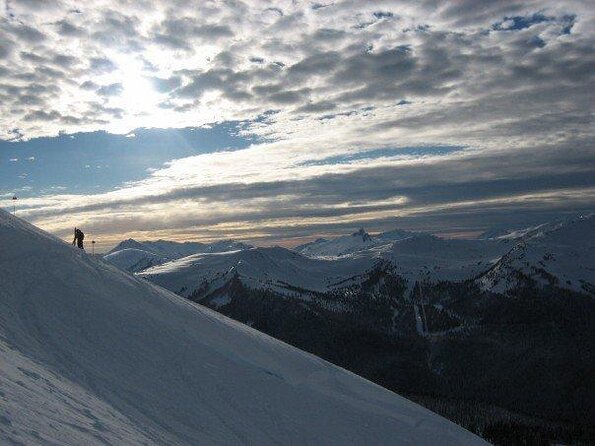
The first walk takes roughly 30 to 45 minutes across the base of the glacier. This approach matters. You are not stepping out of the gondola and immediately climbing. You need to walk over uneven mountain ground first, with conditions that may include snow.
This opening section gives you time to adjust to the altitude, the cold, the sun, and the group. It also lets the guide explain the route and watch how everyone moves before the more demanding section begins.
Bring hiking shoes, not casual sneakers. Pack a small backpack with water, snacks, gloves, and a rain jacket. Sunscreen is also wise. One person who completed the climb in June specifically recommended sunscreen, water, and wool socks, while another advised gloves to prevent sore hands and calluses from the metal rungs.
The scramble before the cables
Before you reach the main Via Ferrata, there is a small scrambling section. Scrambling means using both hands and feet over steeper, rougher ground, but it is not the same as technical rock climbing.
This short section can be a useful warning about the rest of the route. You will need to place your feet carefully, keep your balance, and work upward rather than simply walk along a marked path.
Your guide will help you prepare before you clip into the safety cables. The small group size is valuable here. With no more than six people, a guide can watch individual movement, explain the next step, and offer support if someone hesitates.
A few more tours worth putting side by side
- Zipline Adventure in Whistler
★ 5.0 · 1,367 reviews - Whistler Odyssey Tour: Off-Road Buggy Adventure
★ 5.0 · 750 reviews - Whistler Wilderness Run Snowmobile Tour
★ 5.0 · 724 reviews - 2 Hour Wilderness Adventure Snowmobile Tour in Whistler
★ 5.0 · 610 reviews
Clipping in and climbing Whistler Mountain
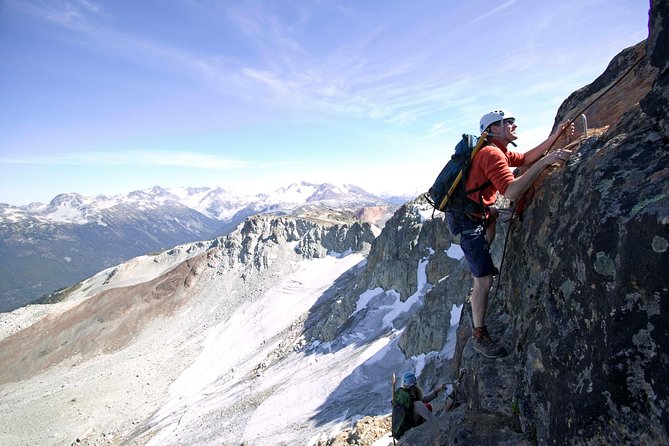
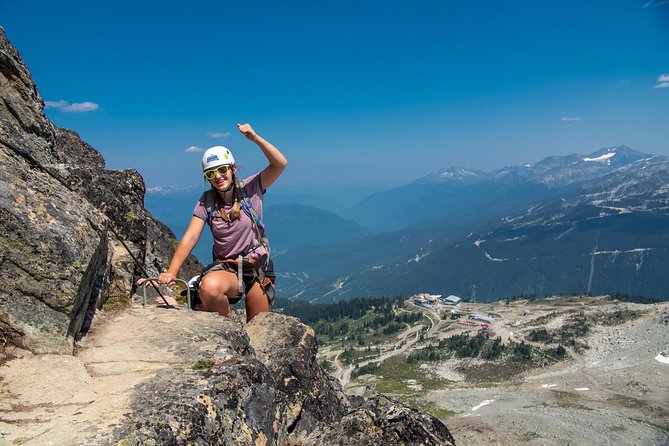
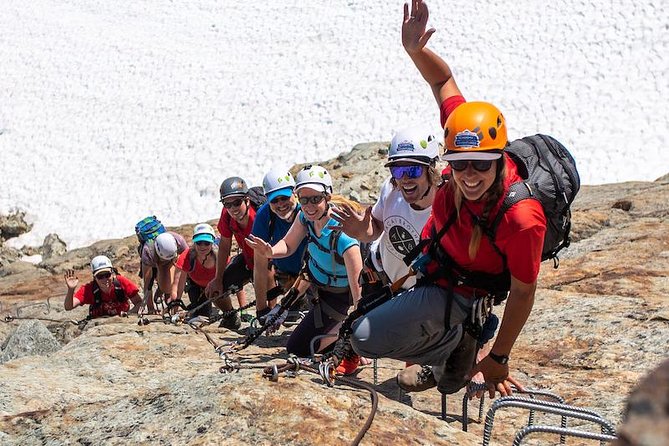
Once attached to the safety system, you climb by stepping on metal footholds and pulling on metal rungs. The route rises along the side of Whistler Mountain, with mountain and valley views appearing beside and below you.
This is the part that makes the experience memorable, but it is also where the physical demands become clear. You need arm strength, leg strength, balance, and enough flexibility to reach between footholds. One 57-year-old participant found some transitions difficult because of height, flexibility, and altitude, even though she completed the route and felt safe.
That is useful advice. The route is suitable for beginners in the sense that you do not need previous climbing skills. Beginner-friendly does not mean effortless. Even an active walker may find the climb challenging, and a strong, athletic companion may still work hard.
If you are short, not very flexible, or unsure about upper-body strength, tell the guide at the start. The guides have been praised for being patient and supportive. Theresa placed herself in front of one nervous climber who was not used to snow or climbing, while other guides helped participants manage fear of heights without rushing them.
The fixed cables reduce the risk of a slip turning into a serious fall, but they do not remove the feeling of exposure. If heights make you anxious, you may find the first look at the route from the gondola intimidating. The best approach is to be honest with yourself and your guide. This is a physical mountain activity, not a casual walk with a dramatic photo stop.
The halfway break for water, snacks, and photos
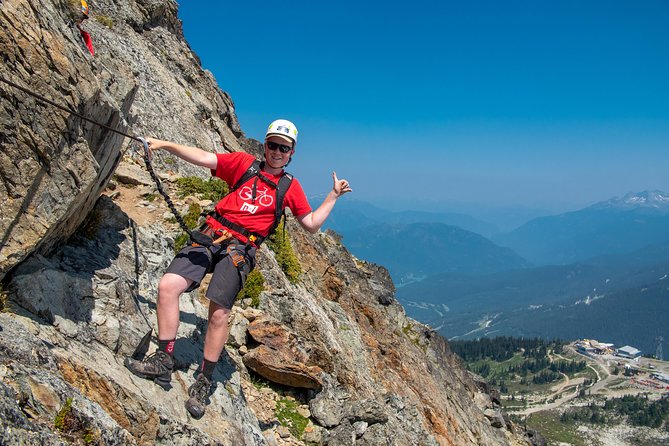
About halfway up, the group stops for water, snacks, and photographs. This break is more than a pause for pictures. It gives your forearms and legs time to recover, and it lets you take in the setting without concentrating on your next handhold.
Bring your own food and water because snacks and drinks are not included. A small backpack is enough, but keep it compact so it does not interfere with your movement.
The views are a major reward at this point. You may see snow, glaciers, mountain ridges, and valleys, depending on the weather. Guides also add useful context about geological formations and the glaciers around the area, which gives the scenery more meaning than a quick glance from a gondola cabin.
Weather can change the mood of the tour. On a clear day, the views can stretch across the surrounding mountains and valleys. On an overcast day, you may see much less below you, but the climbing remains enjoyable. The activity has even gone ahead in a snow blizzard, with guides keeping the group safe and encouraged.
The tour operates in all weather conditions, so dress for the forecast and be ready for conditions to shift. Poor weather can limit the views, and heavy snow may affect whether the route is open. One June booking was canceled because of too much snow, with the company offering an alternative cliff walk and glissading trip instead.
Reaching the upper mountain
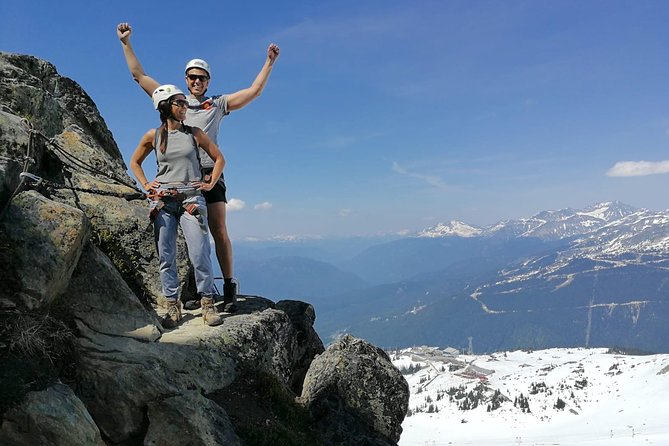
After the break, you continue climbing toward the peak of Whistler Mountain. The final section brings the sense of achievement that many people want from this activity. You have crossed snowy ground, scrambled, learned a new cable system, and climbed a mountain route under your own power.
A bridge near the top is one of the memorable features mentioned by families who completed the route. Once the climbing ends, you can enjoy the upper mountain area, take photographs, and make use of the wider Whistler and Blackcomb lift system if your ticket allows.
An early tour has a practical advantage. If you start at 9:00 am, you have more of the afternoon available for upper-mountain trails or for taking the Peak 2 Peak gondola to Blackcomb Mountain. An afternoon departure may suit your schedule better, but it leaves less time afterward for exploring.
The position of the sun can also affect comfort. One participant found the morning route hotter than the afternoon route because of the sun’s angle. That will vary with the day, but it is worth considering if you are sensitive to heat or prefer softer light for photos.
Guides and the value of a small group
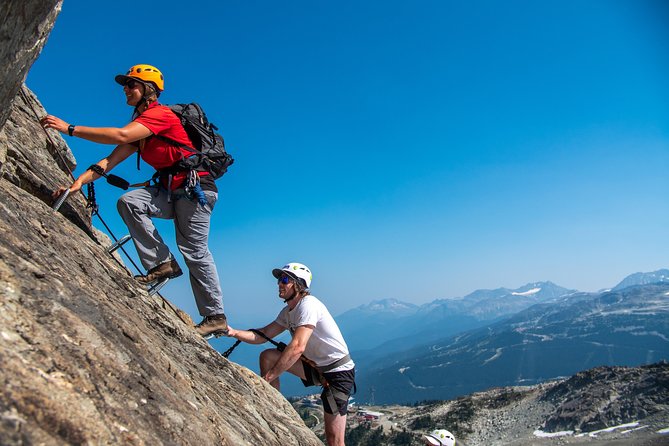
The guides are one of the strongest parts of this experience. Maya, Jeremy, Victor, Emile, Nicolas, Nick, Rob, and Theresa have all received specific praise for support, patience, instruction, and local interpretation.
That matters on a Via Ferrata. Your guide is not only leading the way. The guide explains how to use the cables and rungs, sets the pace, checks the group, points out natural features, and helps you stay calm when the route feels steep.
A small group of six or fewer makes that support more personal. You are less likely to feel lost in a line, and the guide has a better chance of noticing when you need a rest or a clearer explanation.
The guides also add character to the climb. Rob was praised for explaining the mountain and sharing his enthusiasm for nature. Victor was described as patient and friendly while pointing out geographic features. Jeremy handled anxious climbers with care, and Emile kept the group entertained on a cloudy day.
Who should book this four-hour adventure?
I would recommend it to you if you:
- Enjoy active outdoor days and want more than a gondola viewpoint
- Have moderate physical fitness and can hike for 30 to 45 minutes
- Are comfortable using your hands and feet on steep ground
- Want to try a protected climbing route without prior climbing experience
- Like learning about glaciers, geology, and the mountain from a local guide
- Are at least 12 years old and can participate with an accompanying adult if under 18
I would think twice if you dislike heights, struggle with balance, or have limited arm strength or flexibility. The harness and cables help you feel secure, but you still climb high above the surrounding ground.
Children must be accompanied by an adult, and the minimum age is 12. The activity is not described as accessible for limited mobility, so you should contact the operator directly if you have concerns about movement, reach, or footwear.
What to pack and what to wear
Use hiking shoes or boots with a solid grip. Hiking boots are available if required, but it is still smart to discuss your needs before the tour.
Pack:
- Water
- Snacks
- Gloves
- Sunscreen
- A small backpack
- A rain jacket
- Warm layers suitable for changing weather
- Wool socks if your feet get cold easily
Gloves are especially useful because you grip metal rungs for a large part of the climb. A rain jacket protects you from wet weather and wind, while sunscreen matters even on a cool mountain day.
Do not treat the weather in Whistler village as the final word. Conditions at the top can be colder, snowier, or wetter. The tour runs in all weather, so suitable clothing is part of being ready for the experience.
Booking value and cancellation terms
At $149.46 per person, the tour offers good value if you want instruction and equipment included in a guided alpine activity. You receive a professional local guide, helmet, harness, climbing gear, and glacier equipment, which saves you from arranging specialized kit.
The required lift ticket is extra, and transportation to the meeting point is not included. Snacks, water, and guide gratuity are also separate. Add those costs before deciding if the outing fits your budget.
The tour is often booked about 35 days ahead, which suggests that planning early is sensible during busy Whistler periods. You can cancel for a full refund up to 24 hours before the start time. Cancellations or changes inside that window are not accepted for a refund.
If the company cancels because the minimum number of people is not reached, you will be offered another date or experience, or receive a full refund. Weather can also affect the route, as the June cancellation shows, so keep some flexibility in your plans.
Should you book the Whistler Via Ferrata?
Book it if you want a real physical challenge, not just a mountain photo stop. The route gives beginners a controlled introduction to Via Ferrata, while the glacier approach, snow, bridge, and high mountain views make the four hours feel varied.
The best fit is an active person who accepts that the climb may be harder than expected. Bring gloves, water, snacks, sunscreen, and warm clothing. Book the lift ticket ahead of time, and choose the morning if you want the afternoon free for Whistler and Blackcomb.
Skip it if you want an easy sightseeing outing or if heights and strenuous movement are likely to spoil the day. For everyone else, this is one of Whistler’s more memorable ways to meet the mountain, with strong guide support and a satisfying sense of accomplishment at the top.
FAQ
Is climbing experience required for the Whistler Via Ferrata?
No. The activity is suitable for beginners, and no previous climbing experience is required. You should still have moderate physical fitness and be comfortable with a demanding mountain activity.
How long does the Whistler Via Ferrata tour last?
The tour lasts approximately four hours. This includes the gondola access, equipment fitting, the 30 to 45 minute approach hike, the climb, rest stops, and the return to the meeting point.
Where does the tour start and finish?
The meeting point is Garbo’s Cap Bar at 4804 Glacier Lane in Whistler. The activity ends back at the meeting point.
What equipment is included?
The tour includes a helmet, harness, climbing equipment, and glacier equipment. Hiking boots are available if required.
Is the gondola ticket included in the $149.46 price?
No. A Peak 2 Peak Gondola ticket is required and is not included. You should contact Mountain Skills Academy & Adventures to purchase the lift ticket.
What should I bring?
Bring hiking shoes, gloves, a small backpack, water, snacks, and a rain jacket. Sunscreen and wool socks are also useful based on the mountain conditions described for the activity.
What is the minimum age?
The minimum age is 12. Children must be accompanied by an adult.
How many people can join the tour?
The maximum group size is six people. This allows the guide to give more individual attention during the hike and climbing sections.
Can I cancel for a full refund?
Yes. You can cancel at least 24 hours before the experience start time for a full refund. Cancellations or changes made less than 24 hours in advance are not accepted for a refund.
Newest reviews from Whistler
- Whistler ATV Bushwhacker Tour★ 5.0 · 45 reviews
- Whistler Distillery Tour & Tasting Experience★ 5.0 · 45 reviews
- Whistler Development Ski Rental Package★ 5.0 · 48 reviews
- 2 Hour Late Afternoon Winter Zipline Adventure★ 5.0 · 53 reviews
- Whistler Premium Ski Rental Package★ 5.0 · 55 reviews
- Squamish to-or-from Whistler by Bus (Single trip)★ 4.5 · 64 reviews
- Private Whistler Sightseeing Tour: Discover all of Whistler in Comfort!★ 5.0 · 65 reviews
- Summer Day Ticket at TAG★ 5.0 · 68 reviews
Whistler Tours, compared.
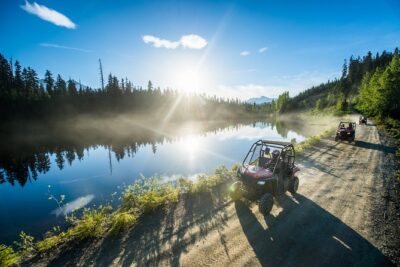
Whistler Odyssey Tour: Off-Road Buggy Adventure
Read our review →
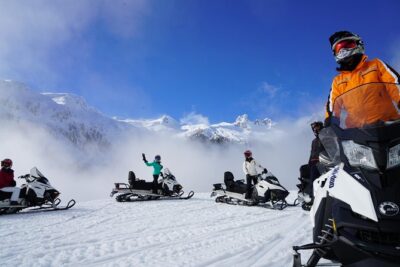
2 Hour Wilderness Adventure Snowmobile Tour in Whistler
Read our review →
Superfly Ziplines on Cougar Mountain – includes 4 ziplines!
Read our review →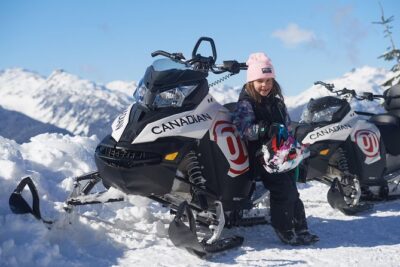
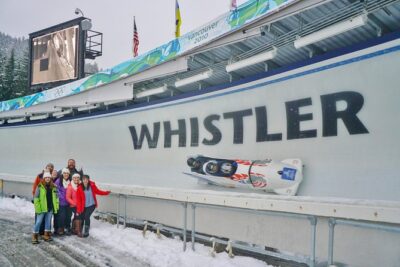
Whistler Sightseeing Tour: Discover all of Whistler Year-Round!
Read our review →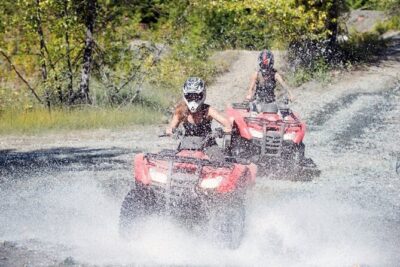
Browse the lists this tour appears in