
Reviewed · VANCOUVER TOURS
Vancouver: LGBTQ2+ History Tour in the West End
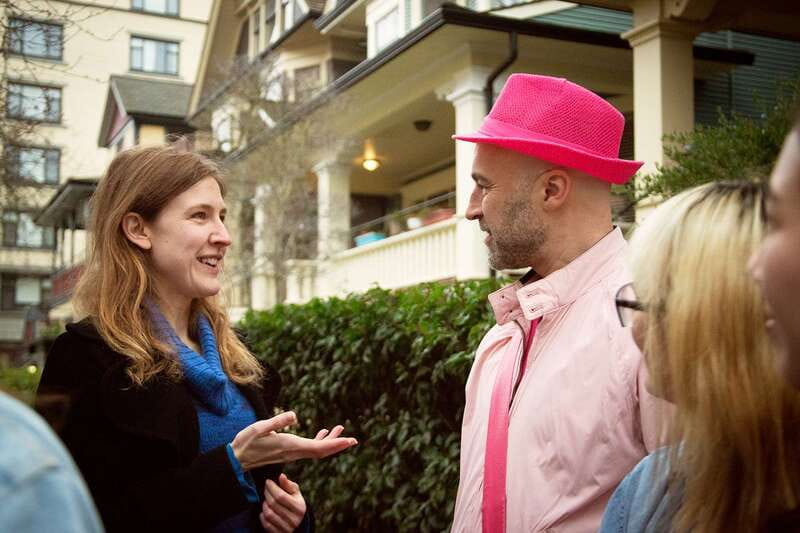
Some city stories deserve a walking tour. Vancouver’s LGBTQ2+ History Tour links the downtown core with Davie Street Village through personal stories, political battles, and hard-won victories. I like the clear two-hour route and the chance to walk with Glenn Tkach, the tour’s creator, a queer historian, and a gifted storyteller. I also like that the tour treats LGBTQ2+ history as part of Vancouver’s wider civic story, not as a side note.
The main consideration is the subject matter. This is an adult-oriented tour with references to discrimination, illness, crime, and other mature themes. Children aged 10 and up may attend if their parents are comfortable with that material, but this is not a light sightseeing stroll.
In This Review
- Key points to know before you go
- Starting at 930 Burrard Street with the Man In Pink
- From downtown Vancouver into the Davie Street Village
- Imperial Court, drag kings, and the United Church
- Nelson Park and the stories behind public space
- The GRID crisis and Patient Zero
- Vancouver’s first Pride parade and the fight for visibility
- Jim Deva Plaza and bookstore bombings
- A transgender campaigner and Vancouver’s biggest crime
- Finishing on Davie Street with time for a drink
- Is $28 a fair price for two hours?
- Who should book this West End walk?
- Practical tips for a better experience
- Should you book the LGBTQ2+ History Tour?
- FAQ
- Where does the Vancouver LGBTQ2+ History Tour begin?
- Where does the tour finish?
- How long does the tour last?
- What does the tour cost?
- Who leads the tour?
- What language is the tour offered in?
- Is the tour wheelchair accessible?
- Can children join the tour?
- What should I bring?
Key points to know before you go
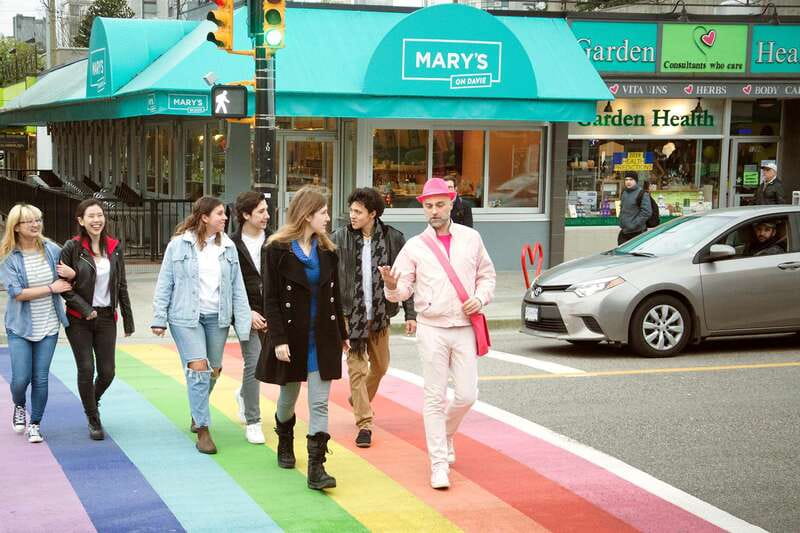
- Glenn Tkach leads the walk: Known as the Man In Pink, Glenn combines local history with personal warmth, humor, and strong storytelling.
- The route links downtown and Davie Street: You begin outside Trees Organic Coffee Shop at 930 Burrard Street and finish in the Davie Street Village.
- The stories cover both pain and progress: Expect subjects such as the GRID crisis, Patient Zero, early Pride, bookstore bombings, and political activism.
- Several stops connect history to real places: Nelson Park, Jim Deva Plaza, the United Church, the Quadra, and Davie Street all help anchor the stories.
- The $28 price is reasonable: For two hours with the local guide who created the tour, the cost offers good value, especially if you care about Vancouver’s social history.
- Dress for the weather: The tour runs rain or shine, and comfortable shoes are essential.
Starting at 930 Burrard Street with the Man In Pink
Your meeting point is outside Trees Organic Coffee Shop at 930 Burrard Street. This is a practical downtown location, and meeting outside a recognizable coffee shop makes the start easy to find. You do not need to arrange transport between stops because the experience is a continuous city walk.
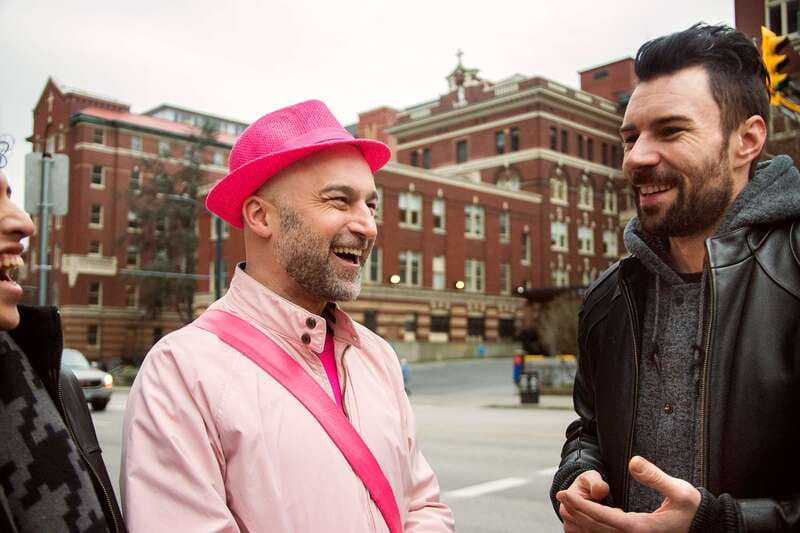
Look for Glenn Tkach, known as the Man In Pink. He created the tour and leads it himself, which gives the experience a personal center. Rather than simply pointing out buildings, Glenn connects places to the people and events that shaped Vancouver’s LGBTQ2+ community.
That distinction matters. A sign or plaque can tell you that something happened. A good guide explains why it mattered, who was affected, and what changed afterward. Glenn’s style has earned especially strong praise for being warm, humorous, emotional, and well paced. One Canadian attendee who had been part of the local community since the 1980s found the tour personal and uplifting, even with years of firsthand experience.
You should expect a story-led walk rather than a formal lecture. The route moves through public streets and parks, so you will want shoes that can handle two hours on foot. A rain jacket or warm layer is also sensible because the tour operates in all weather.
More historical tours in Vancouver:
- Gastown Historic Walking Food Tour
★ 5.0 · 1,863 reviews - Vancouver: Gastown Historical Walking Food Tour
★ 4.8 · 539 reviews - The Really Gay History Tour in Vancouver, Canada
★ 5.0 · 357 reviews
From downtown Vancouver into the Davie Street Village
The walk begins in the heart of downtown Vancouver and heads toward the West End. This gradual change of setting helps explain how the city’s LGBTQ2+ community became associated with Davie Street.
The West End is a useful setting for this kind of tour. Tree-lined streets and ordinary city blocks provide the backdrop, but the guide gives those places a second layer. You learn to see a familiar neighborhood not only as a place for restaurants and apartment buildings, but also as a place where people organized, celebrated, protested, and built community.
I like this structure because it avoids treating the Davie Street Village as a theme park. The point is not just to photograph rainbow colors or identify nightlife spots. The walk shows that a gay neighborhood is made through people, institutions, businesses, and repeated acts of courage.
The route includes stories tied to the Imperial Court, an organization known for elaborate coronations and community activity. You also hear about drag kings at the Quadra and gay ministers at the United Church. These subjects broaden the picture of LGBTQ2+ life beyond the familiar story of bars and Pride parades.
That range is one of the tour’s strongest features. You get social history, religious history, performance history, public health history, and political history in one compact route.
Imperial Court, drag kings, and the United Church
The Imperial Court stories show how ceremony and fundraising became part of community life. A coronation may sound playful on the surface, but the subject points to a larger truth: LGBTQ2+ communities have often created their own institutions when mainstream ones excluded them.
The Quadra stories bring performance into the picture. Drag kings are an important reminder that queer entertainment is not limited to one familiar style of drag. The stories help place gender performance within Vancouver’s own local setting rather than treating it as something imported from elsewhere.
The United Church adds another useful angle. Stories of gay ministers show the tension between religious institutions and LGBTQ2+ inclusion, as well as the people who pushed those institutions to change. This part may appeal to you if you enjoy history that reveals disagreement within large organizations, rather than presenting them as uniformly supportive or hostile.
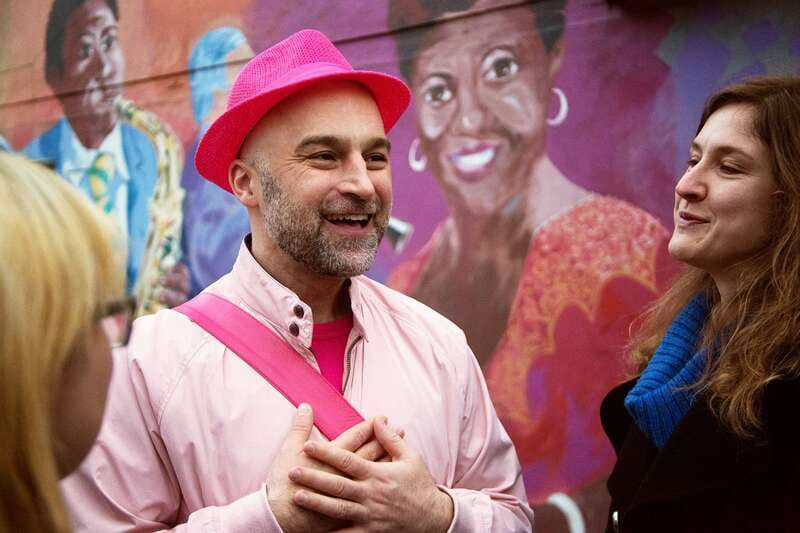
Glenn’s gift is making these subjects approachable. The tone can be humorous, but the humor does not erase the difficult parts. Several people who praised the tour singled out his passion and storytelling, along with the way he balances facts and feeling.
Nelson Park and the stories behind public space
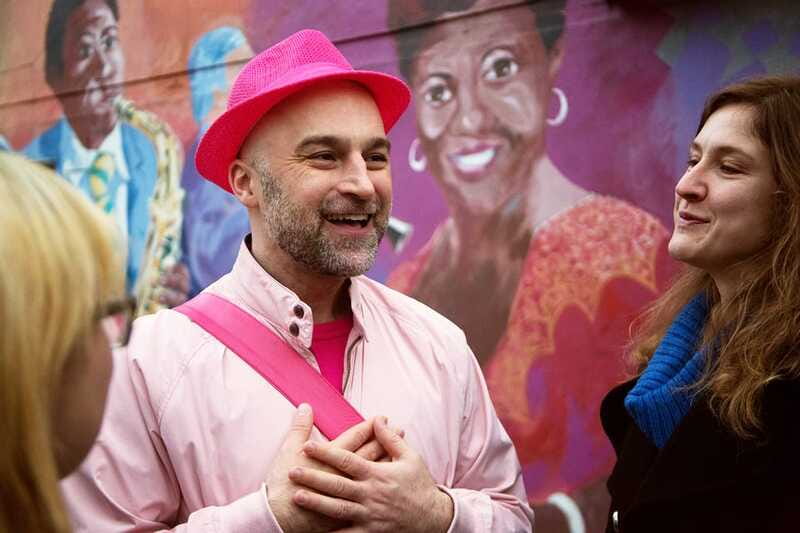
The route includes Nelson Park, an urban green space in the West End. It provides a change of pace from the sidewalks and gives you a moment to take in the neighborhood around you.
The park is not presented simply as a pleasant place to sit. It becomes part of the wider story of how queer people used public spaces, found one another, and made community visible. This is where the tour’s location-based approach pays off. You are not hearing disconnected dates. You are standing in places that help make the stories easier to picture.
Do not expect every stop to look dramatic. Some of the most important events in city history happen on ordinary streets. The value comes from the explanation, not from grand architecture or a museum display.
This is also a reason to take the tour early in a Vancouver visit. Once Glenn has shown you the West End through this historical lens, you can return to Nelson Park, Davie Street, or nearby businesses with a better sense of what the area represents.
A few more tours worth putting side by side
- Vancouver Half-Day Whale Watching Adventure with Free Photos
★ 5.0 · 5,000 reviews - Big Bus Vancouver Hop-On Hop-Off Sightseeing Tour
★ 3.5 · 3,028 reviews - Victoria & Butchart Gardens Tour with Ferry from Vancouver
★ 4.5 · 2,703 reviews - Vancouver: Covered Whale Watching Adventure with Free Photos
★ 4.8 · 2,260 reviews
The GRID crisis and Patient Zero
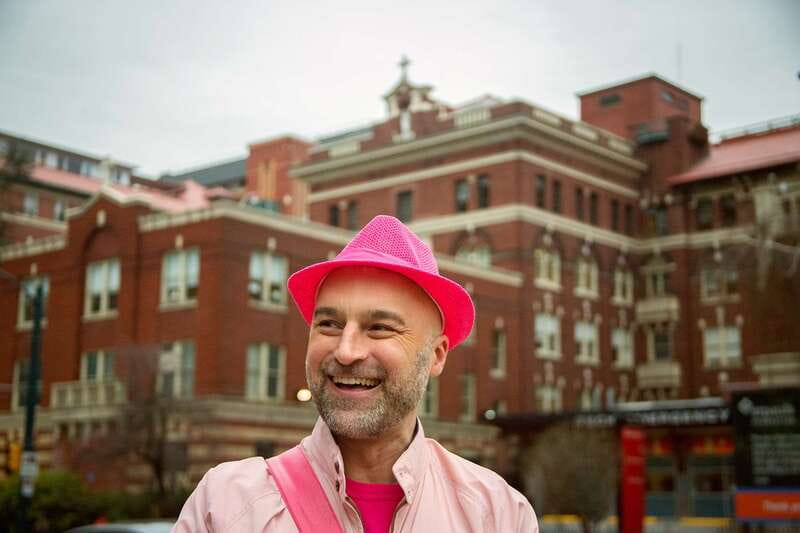
The tour addresses the GRID crisis and the story of Patient Zero, two subjects connected to the fear, confusion, and stigma surrounding the early AIDS crisis. These are serious sections of the walk, and you should be prepared for emotionally difficult material.
The value here is context. Public health emergencies are often remembered through headlines and statistics, but communities experience them through grief, blame, activism, and unequal treatment. A local guide can connect the crisis to Vancouver and to the people who faced it directly.
The Patient Zero story is especially sensitive. It has been repeated in public discussion for years, often in simplified or damaging ways. Hearing it within a broader account of the GRID crisis helps place the story in its social and historical setting.
This part will not suit someone seeking a purely cheerful afternoon activity. Still, I would not skip it. A useful LGBTQ2+ history tour should explain the losses as well as the celebrations, and this one does.
Vancouver’s first Pride parade and the fight for visibility
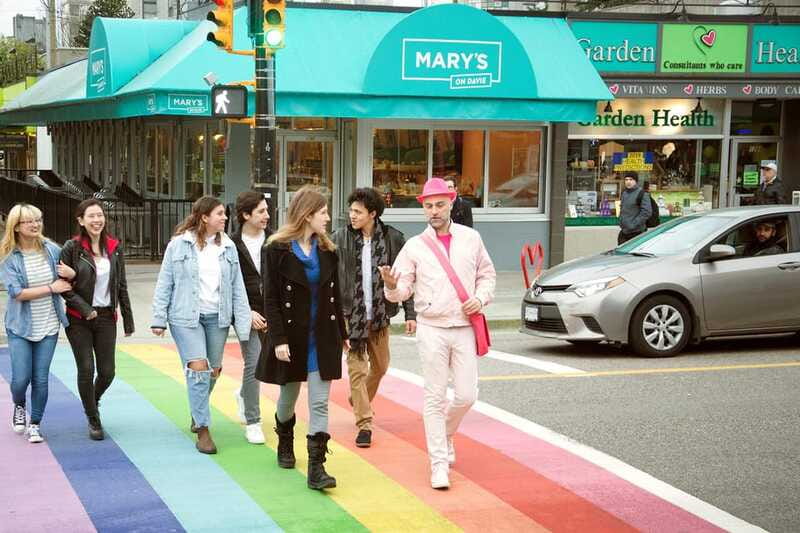
The walk covers Vancouver’s earliest Pride parade, an important subject because Pride did not begin as a polished annual festival. Early parades required people to appear in public at a time when doing so could carry real personal and professional risks.
You hear about the courage it took to claim streets and public attention. That history gives modern Pride a sharper meaning. The event can now look colorful and welcoming, but the ability to celebrate openly came from people who accepted criticism, threats, and uncertainty.
This is one of the tour’s most useful lessons: progress is not automatic. It comes from ordinary people organizing, speaking out, creating meeting places, and refusing to disappear.
The route also includes stories of gay ministers and community groups, which shows that change came through many channels. Some people fought in the streets. Others worked inside churches, political campaigns, businesses, and local institutions.
Jim Deva Plaza and bookstore bombings
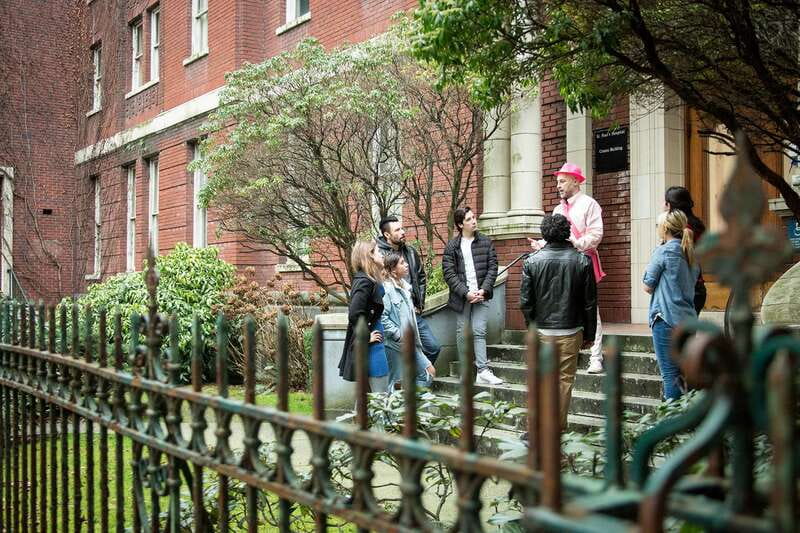
Jim Deva Plaza is another major stop. The plaza honors Jim Deva, a prominent Vancouver bookseller and LGBTQ2+ rights activist. It also provides a setting for discussing the bookstore bombings, which reveal the risks faced by businesses that made queer books and ideas available to the public.
This is a strong reminder that a bookstore can be more than a retail shop. In communities with limited representation, booksellers can provide information, connection, and a sense of belonging. Attacks on those businesses were not only attacks on property. They were attempts to silence people and restrict access to ideas.
The stop works best when you consider the contrast between the public space you see now and the hostility that once surrounded queer publishing and organizing. It turns a small urban plaza into a place of memory and resistance.
You may find this section especially worthwhile if you enjoy literary history, civil rights history, or stories about local activism. It also adds weight to the tour’s broader argument: community progress is built by people who keep doing necessary work even when it is unpopular or dangerous.
A transgender campaigner and Vancouver’s biggest crime
One of the tour’s more unusual stories concerns a transgender campaigner who helped expose what is described as the biggest crime in Vancouver history. This is the kind of detail that separates the walk from a general introduction to Davie Street.
The story connects LGBTQ2+ activism with a much larger civic issue. It shows that transgender people have played roles in Vancouver’s public life far beyond the narrow subjects often assigned to them. The focus is not only on identity, but also on courage, public accountability, and the willingness to challenge powerful forces.
I appreciate this wider frame. The tour does not place LGBTQ2+ people in a sealed-off historical box. It shows them acting as campaigners, ministers, performers, organizers, business owners, and witnesses to major events.
Because the supplied details do not identify the campaigner or explain the full case, you should view this stop as a story you will learn more about during the walk rather than a topic to research in advance. Its appeal is the surprise and the connection to Vancouver’s larger civic story.
Finishing on Davie Street with time for a drink
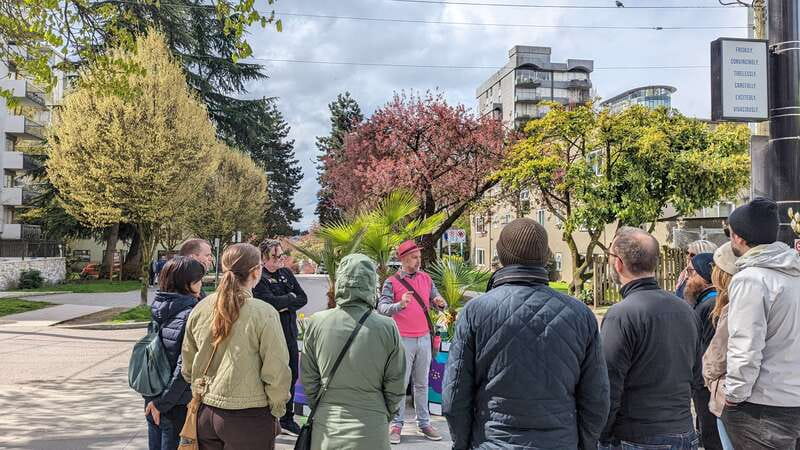
The tour ends in the Davie Street Village, right in the middle of the neighborhood’s bars and restaurants. This is a smart finish. You do not end at a distant transit stop or in a quiet residential corner. You finish where you can continue exploring on your own.
Food and drinks are not included in the $28 price, so plan to pay separately if you want a meal, coffee, or cocktail afterward. The guide can provide the historical context, then you can decide how to spend the rest of your afternoon.
Davie Street is also a practical base for further independent exploration. The tour helps you recognize the area’s social meaning before you choose a restaurant or bar. For many people, that makes the post-tour stop more enjoyable than simply arriving without context.
Keep in mind that the final neighborhood atmosphere may be livelier than the earlier tree-lined streets. If you prefer quiet sightseeing, you may want to pause in Nelson Park or finish with a meal rather than heading directly into nightlife.
Is $28 a fair price for two hours?
At $28 per person, this is a fairly priced specialist walking tour. You are paying for two hours, an English-speaking local guide, and a route created around original research and storytelling rather than a standard city orientation.
The value is strongest if you care about LGBTQ2+ history, local activism, social change, or Vancouver’s West End. A general city tour might mention Davie Street in passing. This experience gives the neighborhood the entire focus and adds stories you would be unlikely to pick up by walking alone.
The price is less compelling if you only want scenic views, shopping, or a quick introduction to Vancouver. The route is about people and events, not major attractions or dramatic viewpoints. You are paying for interpretation.
The strong 4.9 rating from 20 reviews supports the idea that Glenn’s delivery is a major part of the value. Praise focuses on his passion, preparation, humor, pacing, and ability to make the subject emotional without losing structure.
Who should book this West End walk?
I would recommend the tour to LGBTQ2+ visitors who want a local perspective, but you do not need to identify as LGBTQ2+ to appreciate it. The subject is Vancouver, and the themes include civil rights, public health, religion, performance, literature, and urban change.
It suits adults and older teenagers who can handle mature material. Children under 10 are not suitable for the tour. Children aged 10 and up can attend if their parents are comfortable with references to adult themes and difficult historical events.
The tour also suits people who have already visited Vancouver. In fact, repeat visitors may get more from it because the walk gives familiar streets a new meaning. One participant with personal ties to Vancouver’s LGBTQ2+ community since the 1980s found the tour worthwhile despite already knowing much of the local story.
You should skip it if you dislike walking in uncertain weather, want a purely lighthearted outing, or prefer museums with objects and displays. This is a guide-led storytelling experience in public spaces.
Practical tips for a better experience
Wear comfortable shoes. Two hours on foot is manageable for most people, but the right footwear will let you focus on the stories instead of your feet.
Dress for rain or shine. Vancouver weather can change, and the tour continues in poor weather. Bring a waterproof layer and dress warmly if needed.
Arrive at 930 Burrard Street with enough time to locate Trees Organic Coffee Shop and meet Glenn outside. Food and drinks are not included, so you can buy something before the walk or plan a Davie Street stop afterward.
The tour is wheelchair accessible, which is useful for anyone checking mobility needs before booking. Since the walk takes place through city streets and public areas, you should still consider your own comfort with a two-hour outdoor route.
English is the tour language. The guide’s storytelling is a central part of the experience, so strong English comprehension will help you catch the humor, names, and historical connections.
You can cancel up to 24 hours before the start for a full refund, and you can reserve now while paying later. Those policies make the tour easier to fit into a changing Vancouver schedule.
Should you book the LGBTQ2+ History Tour?
Book it if you want a thoughtful, place-based account of Vancouver’s LGBTQ2+ past, led by someone who helped create the route. Glenn Tkach receives high praise for being personal, funny, well prepared, and emotionally engaging. That matters here because the tour depends more on storytelling than on monuments.
The $28 cost is fair, the two-hour length fits neatly into a day, and the Davie Street finish makes it easy to continue with food or a drink. Just bring comfortable shoes, dress for the weather, and expect serious subjects alongside the humor and hope.
If that sounds like your kind of city experience, this is one of the better ways to understand Vancouver beyond its postcard views.
FAQ
Where does the Vancouver LGBTQ2+ History Tour begin?
The tour begins outside Trees Organic Coffee Shop at 930 Burrard Street in Vancouver.
Where does the tour finish?
It finishes in the Davie Street Village, close to its bars and restaurants.
How long does the tour last?
The walking tour lasts two hours.
What does the tour cost?
The price is $28 per person.
Who leads the tour?
Glenn Tkach leads the tour. He is a queer historian, professional storyteller, and the creator of the experience. He is also known as the Man In Pink.
What language is the tour offered in?
The tour is offered in English with a live English-speaking guide.
Is the tour wheelchair accessible?
Yes, the activity is wheelchair accessible.
Can children join the tour?
Children under 10 are not suitable for the tour. Children aged 10 and up may attend if their parents are comfortable with mature subject matter and references to adult themes.
What should I bring?
Bring comfortable shoes and clothing suitable for the weather. The tour operates rain or shine. Food and drinks are not included.
Newest reviews from Vancouver
- Vancouver Street Food Tour in Mount Pleasant Neighborhood★ 5.0 · 6 reviews
- Vancouver Walking Tour: Explore Top Sights & Hidden Gems★ 5.0 · 6 reviews
- Vancouver City Sightseeing Adventure with Kids: Heroes & Villains★ 5.0 · 6 reviews
- Vancouver City Sightseeing Bus & Boat Tour★ 5.0 · 6 reviews
- Vancouver: North Shore Mountains Snowshoeing with Transfer★ 5.0 · 6 reviews
- Vancouver’s Finest Private Sightseeing Tour★ 3.0 · 6 reviews
- Vancouver: Private City Sights Tour by Minibus (3hrs)★ 4.2 · 6 reviews
- Vancouver: Granville Island Small Group Food Walking Tour★ 3.5 · 6 reviews
Vancouver Tours, compared.

Vancouver Half-Day Whale Watching Adventure with Free Photos
Read our review →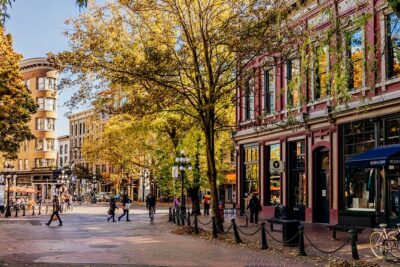
Big Bus Vancouver Hop-On Hop-Off Sightseeing Tour
Read our review →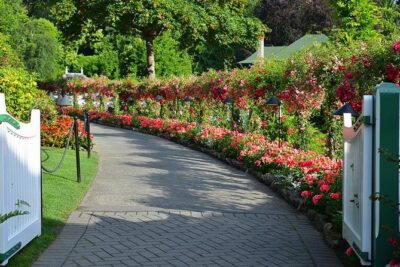
Victoria & Butchart Gardens Tour with Ferry from Vancouver
Read our review →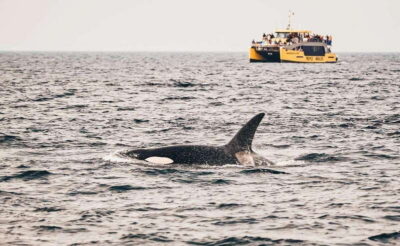
Covered Whale Watching Adventure with Free Photos
Read our review →
Victoria and Butchart Gardens Day Trip from Vancouver
Read our review →
Browse the lists this tour appears in