
Reviewed · TORONTO TOURS
Toronto: Museum of Illusions Entry Ticket
Reality gets slippery here. Toronto’s Museum of Illusions turns perception into a hands-on game, with more than 100 exhibits built around holograms, distorted reflections, shifting perspectives, and visual tricks. I like the easy, self-guided format, and I especially like that the exhibits invite you to touch, test, and photograph rather than simply look. The main catch is value: at $25 per person, the visit may feel expensive if you move quickly or find the museum crowded.
I also like the mix of attractions. The vortex tunnel gives you a physical jolt, while the game room slows things down with 3D puzzles and brain teasers. You can visit with children, friends, or adults who enjoy a good photo, but I would not choose it for anyone with vertigo. Some people finish in about 20 minutes, while others may spend close to the stated one-hour duration.
In This Review
- Key Points to Know Before You Go
- What You Get for $25 in Downtown Toronto
- Starting With Holograms and Visual Illusions
- The Vortex Tunnel and the Feeling of Moving Ground
- The Infinity Room and Distorted Reflections
- The Game Room: More Than a Photo Stop
- How Long You Will Really Need
- Best Times and Photo Strategy
- Who Will Enjoy This Most
- Booking Flexibility and Small-Group Details
- Should You Book the Museum of Illusions?
- FAQ
- How much does the Toronto Museum of Illusions ticket cost?
- How long does the experience last?
- What is included with the ticket?
- Is the experience suitable for children?
- Is the Museum of Illusions wheelchair accessible?
- Is the museum suitable for someone with vertigo?
- What language is available?
- How many people are in the group?
- Can I cancel the booking?
- Can I reserve now and pay later?
Key Points to Know Before You Go
- More than 100 optical exhibits: Holograms, perspective tricks, distorted mirrors, and visual puzzles keep the visit active.
- The vortex tunnel is the big physical sensation: The floor appears to shift even though you are standing still.
- The game room adds real participation: 3D puzzles and brain teasers give you something to solve, not just photograph.
- Best for photos and families: Many displays are designed for interaction and Instagram-friendly pictures.
- A one-hour visit is the official plan: You explore at your own pace, though a quick visit can be much shorter.
- Crowding affects the experience: Busy periods may make it hard to reach exhibits or take clear photos.
What You Get for $25 in Downtown Toronto

The ticket costs $25 per person and includes entry to the Museum of Illusions. There is no separate guided program, meal, transport, or add-on listed, so the price pays for access to the exhibits and the chance to explore them at your own speed.
I see the value here in the activity, not in the length. If you work through the puzzles, wait your turn at popular displays, and take photos, the museum can fill an hour nicely. If you walk straight through, the experience can be over in roughly 20 minutes. That makes the ticket a better buy for people who enjoy playing with each exhibit than for anyone seeking a long museum visit.
The price also makes group size and timing important. The experience is listed as a small group with up to eight participants, which sounds more manageable than a large tour group. Still, the museum itself can feel crowded during busy periods. If you care about getting photos at the best exhibits, I would choose a quieter time when possible and allow yourself room to wait.
I would compare this ticket with the kind of activity you want in Toronto. For a family looking for an indoor break, $25 can be reasonable, especially if several people enjoy the puzzles. For a couple wanting a major cultural attraction, it may feel light on substance. This is a playful stop, not a traditional museum filled with historical objects or long explanations.
More Museums in Toronto
- Toronto: Royal Ontario Museum Admission Ticket
★ 4.6 · 1,237 reviews - Royal Ontario Museum Admission
★ 4.5 · 411 reviews - Toronto: Art Gallery of Ontario General Admission Ticket
★ 4.6 · 251 reviews
Starting With Holograms and Visual Illusions
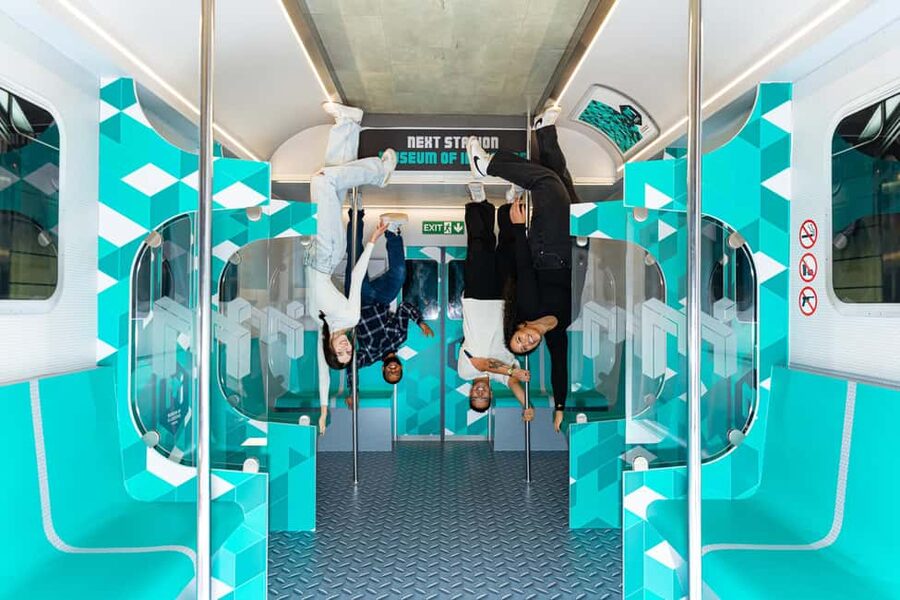
The visit begins with holograms and visual illusions that play with light and perspective. These displays set the tone quickly: you are not there to stand quietly in front of art. You are there to shift your position, inspect the image, and figure out why your eyes are being fooled.
I like this opening because it gets you involved at once. Holograms reward movement, and perspective-based displays often look different depending on where you stand. You might find yourself checking the same image from several angles, then trying to capture the effect with your phone.
The photo value is clear, but I would keep your expectations sensible. A camera records the illusion, but it does not replace the act of seeing it change as you move. The best part is often the few seconds before the picture, when you are trying to understand what your eyes are reporting.
These exhibits should suit a wide age range. Children can react to the surprise, while adults may enjoy the small science lesson behind each trick. The experience does not require advanced knowledge. Curiosity is enough.
The Vortex Tunnel and the Feeling of Moving Ground

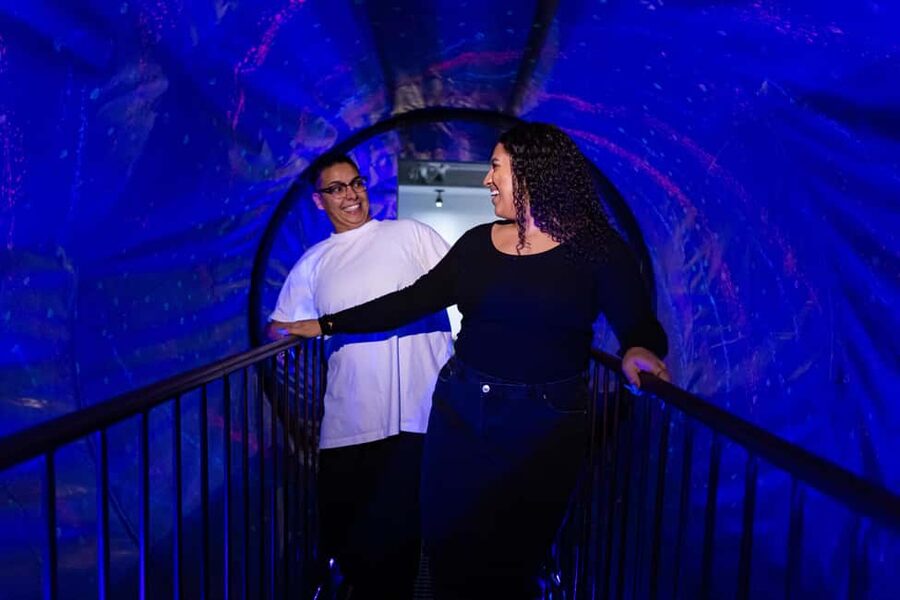
The vortex tunnel is likely to be the most memorable physical exhibit. As you walk through it, the surroundings create the sensation that the ground is shifting beneath you, even though the floor remains still.
This is a smart example of how the museum works. The effect comes from your perception, so the attraction is not simply something you watch. Your body responds to what your eyes tell it, and that mismatch creates the fun.
I would take this section slowly. If the floor seems to move, pause, use the available space carefully, and do not feel pressure to rush through for a photograph. The experience is specifically not suitable for people with vertigo, and anyone sensitive to spinning or unstable visual patterns should treat that warning seriously.
For most other visitors, the tunnel adds a change of pace. The holograms ask you to inspect light and shape. The vortex tunnel makes the illusion feel physical. That contrast helps prevent the museum from becoming a row of similar photo backdrops.
The Infinity Room and Distorted Reflections
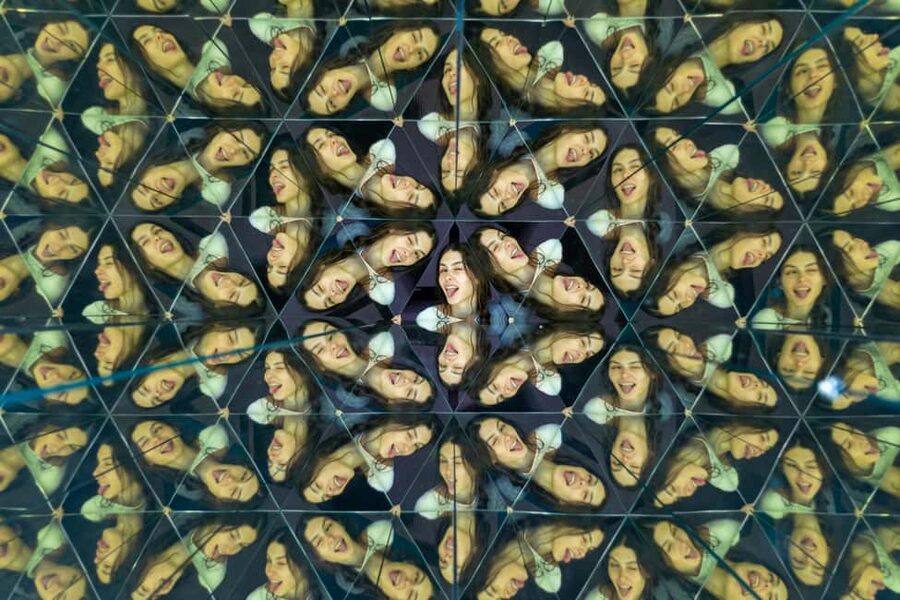
The infinity room creates the impression of endless space. Its appeal is visual rather than educational in a formal sense, but it gives you another way to see how repetition, light, and reflection can alter a room.
I like the infinity room as a photo stop because it gives you a strong image without requiring a complicated explanation. You can step inside, look around, and see how the space appears to continue beyond its real boundaries. It is also a good place to slow down after the more active tunnel.
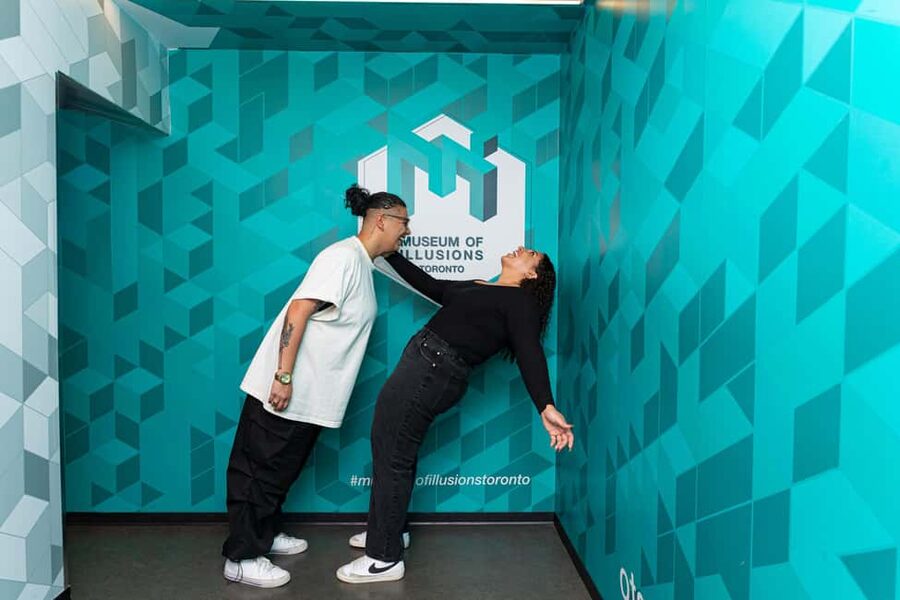
Distorted reflections add a comic side to the visit. You may see your shape stretched, compressed, or otherwise changed by the display. These exhibits work well for groups because one person can pose while the others watch the image change.
There is a practical downside. A photo-friendly attraction depends on access. When several people want the same shot, you may have to wait, and the experience can feel cramped. A busy room also limits the time you have to study how the illusion works.
A completely different kind of day out on the same trip:
- Toronto: Niagara Falls Day Tour with Optional Boat Cruise
★ 4.6 · 3,178 reviews - Niagara Falls Day Tour from Toronto
★ 5.0 · 2,889 reviews - Toronto: Casa Loma Entry Ticket
★ 4.7 · 2,705 reviews - Niagara Falls Canada Day Tour From Toronto + Boat Cruise Option
★ 5.0 · 2,576 reviews
The Game Room: More Than a Photo Stop
The game room gives the museum its strongest hands-on element. It contains 3D puzzles and brain teasers that ask you to test your skills rather than simply pose beside an optical effect.
I consider this section especially useful for families and friends. A puzzle gives you a reason to stay longer, compare ideas, and try again when your first attempt fails. It also gives adults something to do while children work through the displays.
The game room can help justify the ticket for people who do not care much about social media photos. You still get the visual exhibits, but the puzzles add a small challenge and a sense of progress. If you enjoy problems that require patience and a different way of looking, spend extra time here.
At the same time, the description does not promise a full educational workshop or a formal explanation at every station. You should expect short, playful challenges rather than a structured class. If you want a detailed lesson in optics, this may feel too light. If you want a quick mental workout, it should fit well.
How Long You Will Really Need
The stated duration is one hour, but the museum lets you explore at your own pace. That flexibility is helpful because different people will use the space in different ways.
I would plan on one hour if you want to try the puzzles, revisit the best illusions, and take photographs. You will need more patience during a busy period, especially at displays where several people want a turn. A small group of up to eight participants may make the arrival feel more controlled, but it does not guarantee that every exhibit will be open for immediate use.
Some visitors finish in about 20 minutes. That is possible if you move quickly and focus on the main attractions. I would not treat that as a fault by itself, but it changes the price calculation. Before booking, ask yourself whether you enjoy experimenting with each display or prefer to see a place quickly and move on.
There is no fixed ending point. You leave when you are ready, which means you can fit the museum around other plans in downtown Toronto. That makes it useful as a short indoor activity, but it also means you should not expect the ticket to occupy a full afternoon.
Best Times and Photo Strategy
The biggest practical issue is crowding. A busy museum can make it difficult to reach the activities and take clean photos. One person may be ready to move on while another is still waiting for a turn, and the experience loses some of its easy, playful rhythm.
I would go in with a simple photo plan. Take a few pictures at the displays that interest you most, then move on rather than trying to document everything. At the vortex tunnel and infinity room, give other people a turn and expect the space to feel more shared than private.
A quieter visit also helps you understand the illusions. You can change your position, read the display, and test the puzzle without pressure. If your main goal is photography, timing matters almost as much as the ticket itself.
The museum is in Ontario, Canada, in Toronto’s downtown area. The experience ends on site, leaving you free to continue exploring the surrounding city. No transport is included, so you should make your own way there and plan the museum as one stop in a larger day.
Who Will Enjoy This Most
I would recommend the Museum of Illusions for people who like active, visual attractions. It works particularly well for:
- Families looking for an indoor activity suitable for different ages
- Friends who enjoy taking playful photos together
- Couples who want a short break from walking around downtown Toronto
- Puzzle fans who prefer doing something rather than reading long displays
- Anyone curious about perception, light, and perspective
It is less suitable for people who want a traditional museum visit with a long historical or artistic story. The exhibits focus on the immediate experience of seeing, touching, posing, and solving.
I would also think carefully about mobility needs. The experience is wheelchair accessible, which is important for many visitors, and the format allows you to explore at your own pace. For specific access questions beyond that information, it is wise to confirm details before arrival.
The vertigo warning deserves equal attention. The vortex tunnel and other visual effects may be uncomfortable for anyone affected by shifting patterns or the sensation of unstable ground. You do not need to force yourself through every exhibit to enjoy the visit, but people with vertigo may prefer another activity altogether.
Booking Flexibility and Small-Group Details
The experience is hosted or greeted in English, and English is the listed language. The small-group format is limited to eight participants, but the visit itself remains self-paced rather than a lecture led from one room to the next.
You can reserve now and pay later, which helps if your Toronto schedule is still changing. Free cancellation is available up to 24 hours in advance for a full refund. Those terms are useful for a short attraction because weather, family energy, and downtown plans can shift during a busy trip.
Smoking, alcohol, and drugs are not allowed. The ticket includes museum entry only, so plan separately for food, transport, and any other Toronto attractions you want to visit.
Should You Book the Museum of Illusions?
I would book this experience if you want a light, interactive hour filled with optical tricks, photo opportunities, and simple puzzles. The service has received strong praise, and the attraction’s playful character is its best feature. The holograms, vortex tunnel, infinity room, and game room offer enough variety to keep the visit from feeling like one repeated trick.
I would hesitate if $25 feels high for a short activity or if you dislike waiting for photos. The museum can be very small in practice, and a quick visit may last only about 20 minutes. Go during a quieter period if you can, take time with the puzzles, and treat the ticket as a compact downtown activity rather than a full museum day.
FAQ
How much does the Toronto Museum of Illusions ticket cost?
The entry ticket costs $25 per person.
How long does the experience last?
The stated duration is one hour, but you explore at your own pace. Some people may finish in about 20 minutes.
What is included with the ticket?
The ticket includes entry to the Museum of Illusions.
Is the experience suitable for children?
Yes. The museum is described as suitable for all ages, with interactive illusions, photo opportunities, and puzzles.
Is the Museum of Illusions wheelchair accessible?
Yes, the experience is listed as wheelchair accessible.
Is the museum suitable for someone with vertigo?
No. The experience is not suitable for people with vertigo, particularly because of visual effects such as the vortex tunnel.
What language is available?
The host or greeter service and the listed experience language are English.
How many people are in the group?
The experience is listed as a small group limited to eight participants.
Can I cancel the booking?
Yes. You can cancel up to 24 hours in advance for a full refund.
Can I reserve now and pay later?
Yes. You can reserve your spot and pay later, so you do not need to pay at the time of booking.
Newest reviews from Toronto
- Toronto Landmarks★ 5.0 · 6 reviews
- Toronto: Niagara Falls Tour with Boat and Lunch★ 3.6 · 6 reviews
- Toronto: Muskoka Cranberry Farm and Hardy Lake Hike★ 5.0 · 6 reviews
- Niagara Falls Day Tour from Toronto w/ Tower, Journey & Boat Ride★ 5.0 · 6 reviews
- Travel Photo Session in Toronto★ 5.0 · 6 reviews
- The Toronto Wine Salon★ 5.0 · 6 reviews
- Paddleboard Eco Tour in Toronto Islands, Canada★ 4.5 · 6 reviews
- Ghosts of the Village at Black Creek★ 4.5 · 6 reviews
Toronto Tours, compared.
Niagara Falls Day Tour with Optional Boat Cruise
Read our review →


Niagara Falls Canada Day Tour From Toronto + Boat Cruise Option
Read our review →

Niagara Falls from Toronto: Skip-the-Line Boat & Skylon Tower
Read our review →
Niagara Falls Tour + Boat Ride and/or Journey
Read our review →Browse the lists this tour appears in