
Reviewed · TORONTO TOURS
Toronto: City Walking Tour
Toronto reveals itself on foot. This three-hour walk connects the city’s modern towers, underground PATH, waterfront, and old market streets in one useful introduction. I like the small groups of no more than 10 and the guides’ easy, story-filled approach. The main consideration is simple: you need a moderate level of fitness, and the route is not suitable for wheelchair users.
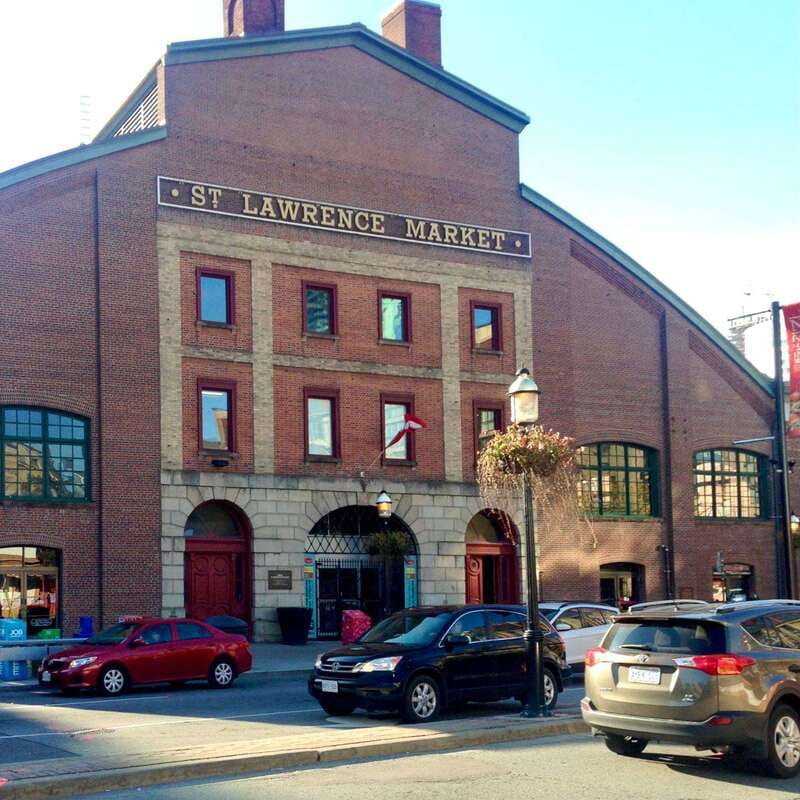
I also like where the tour ends, at St. Lawrence Market, just in time to turn a history lesson into lunch. You will not enter the CN Tower or Rogers Centre, and food is extra, but the tour gives you practical orientation that can save hours of wandering later.
In This Review
- Key points at a glance
- Why this walk works as a first look at Toronto
- Starting beneath Roy Thomson Hall in the Entertainment District
- CN Tower and Rogers Centre, Toronto’s big postcard sights
- A short waterfront pause before heading underground
- Entering the PATH, Toronto’s underground city
- Brookfield Place and the architecture of downtown
- Old Toronto, where the city changes character
- Ending at St. Lawrence Market around lunchtime
- The guides make the three hours feel personal
- What $38 gets you, and what it does not
- Who should book this Toronto walking tour?
- Should you book it?
- FAQ
- How long is the Toronto City Walking Tour?
- Where does the tour begin?
- Where does the tour end?
- Is the PATH included in the tour?
- Does the tour include the CN Tower or Rogers Centre?
- Is the tour suitable for wheelchair users?
Key points at a glance
- The PATH becomes part of the tour: Learn how Toronto’s mostly underground walkway links more than 70 office towers, shops, restaurants, subway stations, and hotels.
- A useful downtown overview: The route ties together the Entertainment District, waterfront, Union Station area, Brookfield Place, and Old Toronto.
- Small-group conversation: Groups are limited to 10, making it easier to ask questions and speak with your guide.
- Guides add personality: Nick, Ken, Jason, Dave, Ram, Neil, Justin, and others have been praised for clear explanations, humor, local tips, and historical stories.
- A practical finish: The tour ends at St. Lawrence Market, where you can continue with Toronto food and sightseeing.
- Best early in your stay: Take it near the start of your visit so the advice about the Toronto Islands, neighborhoods, restaurants, and routes can shape the rest of your time.
Why this walk works as a first look at Toronto
Toronto is a huge city, and downtown can feel like a collection of separate worlds. Glass towers rise beside old brick buildings. Major sports venues sit near concert halls and theaters. An underground pedestrian network links office blocks that can look unrelated from street level.
This tour gives you a working map of that mix. You walk through the center rather than viewing it from a bus, so you get a better sense of distances, entrances, streets, and the way local life shifts from one district to another.
I especially like the tour’s balance between famous sights and useful city knowledge. You pass major landmarks such as the CN Tower and Rogers Centre, but you also learn how to use the PATH and where to go for the Toronto Islands. That combination is more useful than a walk that simply pauses for photographs.
The guides also make a difference. The strongest praise goes to Nick, Ken, Jason, and Dave, though several other guides receive warm comments as well. The common thread is a relaxed style, clear speech, humor, and plenty of time for questions. Several guides use photographs or flash cards to show how Toronto changed over time, which can make the city’s development easier to follow.
More City Tours in Toronto
- Toronto: City Sightseeing Hop-On Hop-Off Bus Tour
★ 4.3 · 2,544 reviews - City Sightseeing Toronto Hop-On Hop-Off Bus Tour
★ 3.5 · 726 reviews - Show me the City! A Small Group Walking Tour of Toronto
★ 5.0 · 621 reviews
Starting beneath Roy Thomson Hall in the Entertainment District
Meet at the southwest corner of King Street West and Simcoe, beneath the small electronic billboard for Roy Thomson Hall. Take a moment to arrive early, since this is a busy downtown corner and the exact meeting point is easier to spot when you are not rushing.
The tour begins in Toronto’s Entertainment District. This part of downtown is home to live theaters, restaurants, bars, nightclubs, and concert halls, so it gives you an immediate sense of the city’s social side. Depending on the time of day, the area may feel polished and businesslike or filled with people heading to performances and meals.
Your guide uses the district to explain how Toronto works rather than treating it as a single photo stop. You will have opportunities to ask about what you are seeing, and guides often help the group get acquainted at the beginning. That small social touch matters when you are joining a group of strangers for three hours.
The pace is steady, with regular pauses. You will walk extensively, but the tour is not presented as a race from landmark to landmark. Guides stop to explain buildings and city stories, and several comments praise the balance between walking and information.
CN Tower and Rogers Centre, Toronto’s big postcard sights
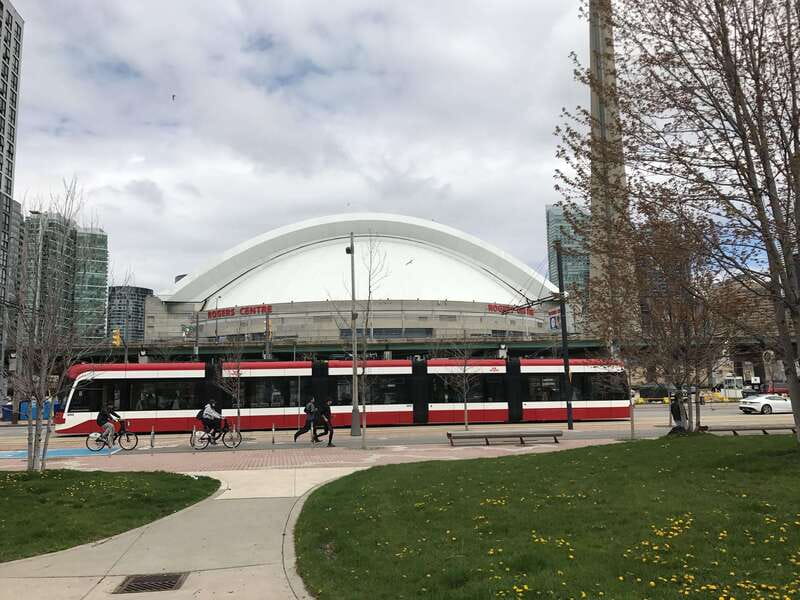
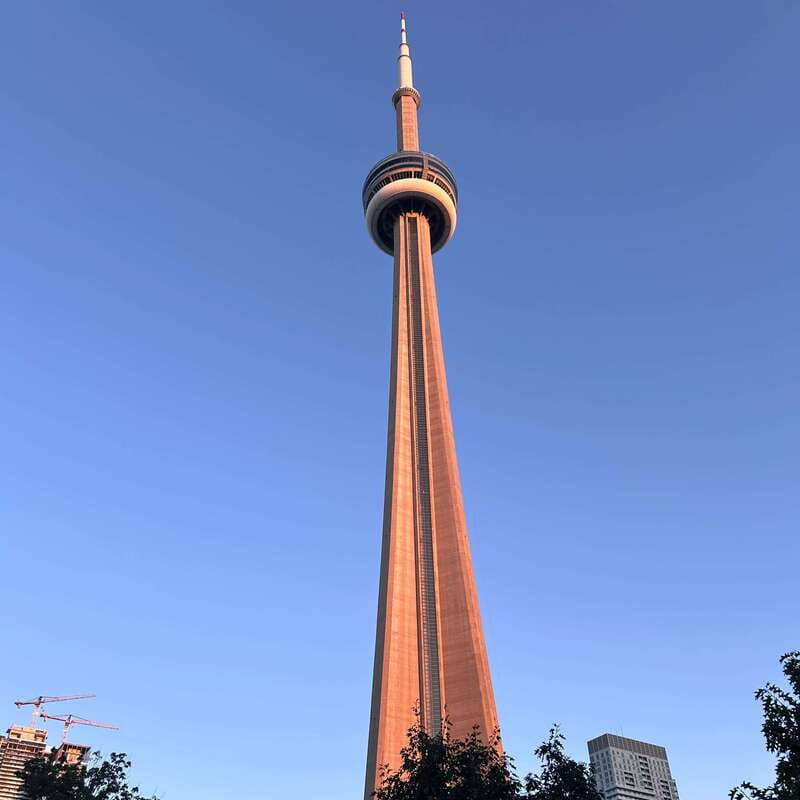
As you move toward the waterfront, you pass the CN Tower and Rogers Centre. The CN Tower was once the world’s tallest freestanding structure, and it remains Toronto’s most recognizable landmark.
This tour does not include entry to either the CN Tower or Rogers Centre. That is important when you compare prices. You are getting exterior views and explanations, not an observation-deck visit or a stadium tour.
Still, seeing both from street level is useful on a first walk. The CN Tower helps you orient yourself in downtown, while Rogers Centre gives your guide an opening to tell stories about the stadium, including its former local nickname, the Skydome. If you want to go inside either attraction, plan a separate visit and budget for its admission.
The route also gives you photo opportunities around the city’s major buildings. One guide even pointed out the Steve Nash star, a detail that shows how the walk can include smaller sports and cultural references alongside the headline sights.
A short waterfront pause before heading underground

The tour reaches Toronto’s waterfront and takes a short break. This pause gives your feet a rest and changes the feel of the walk before you enter the PATH.
You will also hear about the Toronto Islands, including how to get there and what to do once you arrive. The tour does not take you across to the islands, so think of this as practical advice for a separate outing. That is still valuable, especially if you are deciding how to spend a free afternoon.
The waterfront portion is not the longest part of the route. If you want extended lake views, island time, or a leisurely waterfront stroll, you will need to return on your own. The benefit here is that you get the orientation and can then choose how much time to devote to the area.
More Walking Tours in Toronto
- Toronto Distillery District Walking Tour
★ 5.0 · 327 reviews - Toronto: City Highlights Walking Tour | 3-Hour
★ 4.6 · 306 reviews - Old Town Toronto Highlights 3 Hour Walking Tour | Gratuity-Based
★ 4.5 · 290 reviews - Toronto: Dark History Nighttime Walking Tour
★ 4.7 · 273 reviews
Entering the PATH, Toronto’s underground city
The PATH is the tour’s most distinctive feature. This mostly underground walkway stretches about 30 kilometers, or 20 miles, and links much of downtown Toronto.
For you, the point is not to walk all 30 kilometers. The guide introduces you to the system and shows why it matters. The PATH connects more than 70 office towers, includes more than 600 places to eat and over 800 shops, and links six subway stations and seven hotels.
Those numbers explain why the PATH can feel less like a passageway and more like a second downtown. It is especially handy in winter and on rainy days. Once you understand that buildings, stations, food courts, and shops connect below street level, downtown Toronto becomes much easier to navigate.
The PATH can also be confusing at first. It is not one simple corridor with a single obvious direction. That is why learning the basic logic from a local guide is worth part of the $38 price. You can return later when the weather turns bad, or use it to reach a restaurant, hotel, shop, or subway station without repeatedly crossing busy streets.
The tour moves in and out of the PATH rather than remaining underground for the whole walk. That helps you connect what you see below with the streets and buildings above. It also keeps the route from becoming visually repetitive.
Brookfield Place and the architecture of downtown
After using parts of the PATH, the group enters Brookfield Place. The building was designed by Spanish architect Santiago Calatrava and is known for its dramatic interior.
This is one of the tour’s strongest architectural stops because it gives you a break from the regular glass-and-steel office tower. The space has a more sculptural character, and your guide can explain why it is considered one of Toronto’s most spectacular buildings.
Brookfield Place also shows the value of moving through downtown on foot. If you only follow a standard sightseeing route above ground, you might never find this interior or understand how it connects to the PATH. Here, the building is both a design stop and a navigation lesson.
The tour includes entry to Brookfield Place, Union Station, Queen’s Quay Terminal, the PATH, and St. Lawrence Market. These are access points during the walking tour, not a promise of special exhibitions, reserved seating, or paid attraction entry.
Old Toronto, where the city changes character
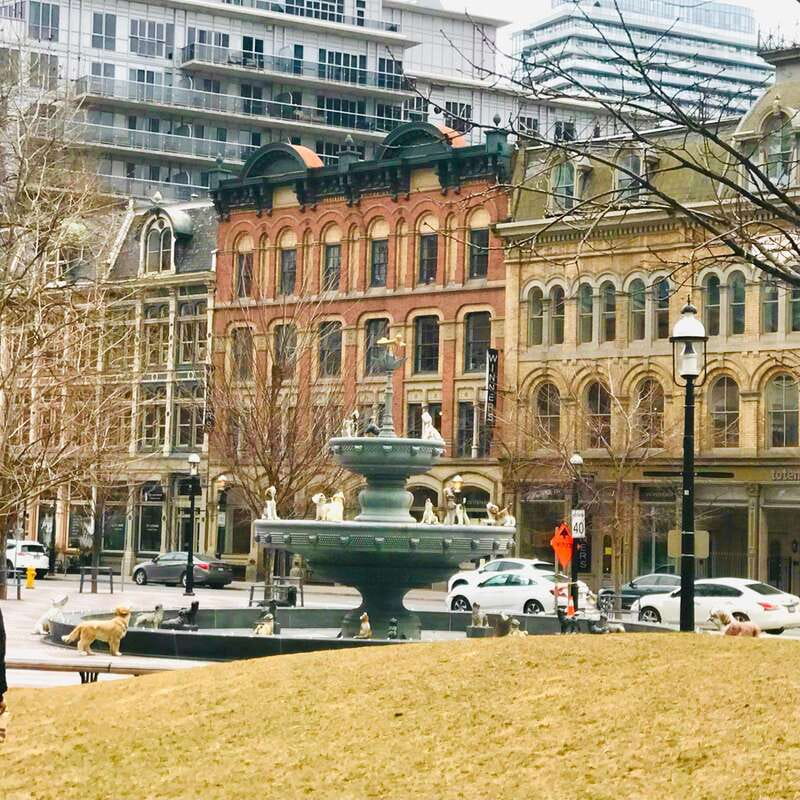
The final third of the tour moves into Old Toronto. The mood shifts here, with buildings connected to Toronto’s 19th-century boom and streets that feel different from the newer downtown core.
This contrast is one of the walk’s best teaching tools. Modern Toronto can seem defined by towers, sports, finance, and large public venues. Old Toronto gives you another layer, with historic buildings and streets that point back to the city’s earlier growth.
Your guide will explain what you are seeing and point out places you might otherwise walk past. That is a recurring strength of this experience. The route may cover a fairly compact area, but the stops are packed with context, historical anecdotes, and architectural details.
Old Toronto is also a good place to ask for restaurant advice. The tour does not include a meal, but the district has several well-regarded places to eat. Since the route ends at St. Lawrence Market, you have an easy choice between sampling market food or following your guide’s suggestions elsewhere.
Ending at St. Lawrence Market around lunchtime
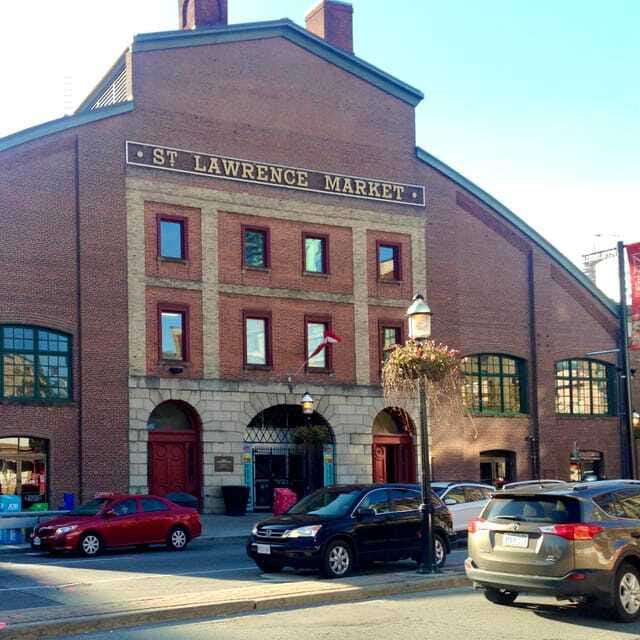
St. Lawrence Market is a smart final stop. It gives the tour a clear finish and leaves you in a place where you can continue exploring without another transfer.
The guide points out popular foods and stalls inside the market. You can then decide what to sample for yourself, since food and drinks are not included. Ending here around lunchtime is particularly convenient because you can turn the last stop into a meal.
The market is also a practical base for the rest of your day. You have finished with the broad downtown orientation and can now linger over food, revisit a street, or use the route you learned to explore more on your own.
I like this ending more than a tour that finishes beside a single monument and leaves you wondering what to do next. St. Lawrence Market is active, useful, and flexible. You can spend 20 minutes there or stay much longer.
The guides make the three hours feel personal
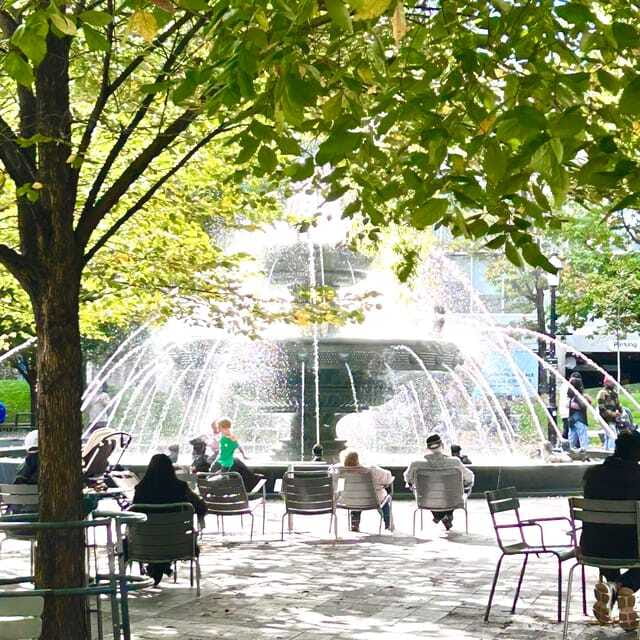
The strongest feature of this tour is the guiding. The company is celebrating its 10th year, and its guides are long-time Toronto residents who rely on stories, jokes, photographs, and conversation rather than a stiff script.
Nick receives especially strong praise for his warmth, clear English, patience, and enthusiasm for Toronto. Ken is praised for using visual material to show the city’s transformation and for creating a friendly group atmosphere. Jason is described as a life-long Torontonian with plenty of history and humor, while Dave is praised for making complicated information enjoyable.
Other guides, including Ram, Neil, Justin, and David, are also described as friendly, engaging, and well informed. The exact guide is not guaranteed, but the pattern is encouraging: you are likely to get a guide who enjoys talking about the city and answering questions.
Small groups help. With a maximum of 10 people, your guide can keep the walk conversational. One booking even continued with a drink at a pub recommended by the guide, though that is not part of the tour and should not be expected as an included activity.
Several people also praise the tour’s social feel. Guides may have everyone introduce themselves, which can make the walk warmer and more comfortable. If you prefer silent sightseeing, the conversation may feel like more than you want. For most people, though, the chance to ask direct questions is a major benefit.
What $38 gets you, and what it does not
At $38 per person, this is a fair price for a three-hour small-group introduction to central Toronto. You are paying for a local English-speaking guide, a carefully connected route, access through several important downtown spaces, and advice you can use for the rest of your visit.
The value is strongest if you are new to Toronto. Learning the PATH, understanding the relationship between newer downtown and Old Toronto, and getting practical advice about the islands can make your later sightseeing more efficient.
The price is less compelling if you only want landmark entry. CN Tower admission and Rogers Centre admission are not included. Food and drinks are also extra, so plan for a market purchase after the walk if you want to eat at St. Lawrence Market.
You can cancel up to 24 hours before the tour for a full refund, and you can reserve now while paying later. Starting times vary, so check availability for the date you want.
Who should book this Toronto walking tour?
I would choose this for a first or second day in Toronto, especially if you want to understand downtown before exploring it on your own. It suits solo visitors, couples, families with older children, and anyone who prefers conversation over a recorded audio guide.
It is also a good choice in uncertain weather because much of the PATH is indoors. Bring comfortable shoes and a camera. The route still includes outdoor walking, so dress for the season rather than assuming the underground sections will protect you throughout.
You need a moderate level of fitness. The walk lasts three hours, includes extensive time on foot, and is not suitable for people with low fitness or wheelchair users. Children must be accompanied by an adult, and unaccompanied minors are not allowed.
Should you book it?
Book this tour if you want a friendly, practical introduction to downtown Toronto rather than a list of photo stops. The PATH lesson alone can be useful, and the route gives you a good mix of modern landmarks, waterfront orientation, architecture, Old Toronto, and market food.
Skip it if you need wheelchair access, dislike steady walking, or mainly want admission to the CN Tower or Rogers Centre. For most first-time visitors who can comfortably walk for three hours, $38 is a sensible investment, especially when you take the tour early and use the guide’s restaurant, neighborhood, and Toronto Islands advice afterward.
FAQ
How long is the Toronto City Walking Tour?
The tour lasts three hours. The pace is steady, with regular stops to discuss buildings, landmarks, history, and local details.
Where does the tour begin?
It begins at the southwest corner of King Street West and Simcoe, beneath the small electronic billboard for Roy Thomson Hall.
Where does the tour end?
The tour ends at St. Lawrence Market. The guide points out popular foods and venues, but food and drinks are not included.
Is the PATH included in the tour?
Yes. The route includes parts of Toronto’s PATH, the mostly underground walkway connecting much of downtown. The tour also includes entry to Queen’s Quay Terminal, Union Station, Brookfield Place, and St. Lawrence Market.
Does the tour include the CN Tower or Rogers Centre?
No. The tour passes the CN Tower and Rogers Centre, but entry to both attractions is not included.
Is the tour suitable for wheelchair users?
No. The experience is not suitable for wheelchair users or people with a low level of fitness. Children must be accompanied by an adult, and pets are not allowed.
Newest reviews from Toronto
- Toronto: Guided Donut Walking Tour with Tastings and Coffee★ 5.0 · 42 reviews
- Toronto Harbour and Islands Cruise★ 4.5 · 42 reviews
- Toronto: Toronto Maple Leafs Game Ticket at Scotiabank Arena★ 4.6 · 43 reviews
- Toronto: Winter Niagara Falls Tour with Attractions Package★ 4.7 · 43 reviews
- Toronto: Hollywood North Experience Film & TV Tour★ 4.9 · 49 reviews
- Niagara Falls Scenic Day Tour from Toronto Airport Pickup★ 4.6 · 52 reviews
- 14-Minute Helicopter Tour Over Toronto★ 4.5 · 53 reviews
- Toronto Highlights Walking Tour with Tower Entry★ 4.8 · 53 reviews
Toronto Tours, compared.
Niagara Falls Day Tour with Optional Boat Cruise
Read our review →

Niagara Falls Canada Day Tour From Toronto + Boat Cruise Option
Read our review →

Niagara Falls from Toronto: Skip-the-Line Boat & Skylon Tower
Read our review →
Niagara Falls Tour + Boat Ride and/or Journey
Read our review →Browse the lists this tour appears in