
Reviewed · TORONTO TOURS
Toronto: Bata Shoe Museum Entrance Ticket
Shoes can tell the story of civilization. Toronto’s Bata Shoe Museum turns that simple idea into a smart, entertaining visit, with footwear from around the world spread across four gallery spaces and 4,500 years of human history. I like the clever building shaped like a shoebox, and I like how the displays connect shoes with work, status, religion, climate, and tradition.
The permanent All About Shoes exhibition is the main reason to come, especially for its older historical pieces and replicas. The rotating exhibitions add variety, but the museum is mainly in English, and some visitors may wish for more audio or visual presentation. Plan on roughly one to two hours, though the ticket is valid for one day if you want to take your time.
In This Review
- Key points to know before you go
- Arriving at the shoebox on Bloor Street
- Start with All About Shoes
- Four galleries and changing exhibitions
- Footwear as social history
- How long should you spend inside?
- Is the $11 admission good value?
- What the visit does especially well
- Where the museum could improve
- Who should visit the Bata Shoe Museum?
- Should you book it?
- FAQ
- Where is the Bata Shoe Museum located?
- How much does admission cost?
- How long is the ticket valid?
- How long should I plan to spend at the museum?
- What can I see inside the museum?
- Is the museum wheelchair accessible?
- What language is used at the museum?
Key points to know before you go
- 4,500 years of footwear history: The permanent All About Shoes exhibition traces how shoes developed across cultures and time.
- Four changing gallery spaces: Rotating exhibitions keep the visit fresh and often focus on social history, design, or notable makers.
- A memorable Raymond Moriyama building: The light-filled structure takes its inspiration from a shoebox without feeling like a gimmick.
- Strong value at $11: The price is modest for a focused museum visit, particularly if you enjoy design, history, fashion, or world cultures.
- Easy central Toronto location: You’ll find the museum at 327 Bloor Street West, within reach of the subway, car, or Uber.
- Accessible and practical: The museum is wheelchair accessible and offers complimentary WiFi, with English as the stated language.
Arriving at the shoebox on Bloor Street
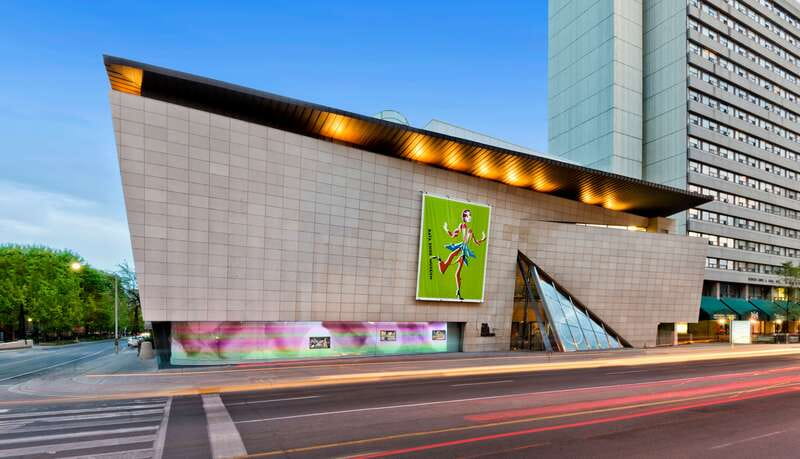
The Bata Shoe Museum sits at 327 Bloor Street West, a convenient central Toronto address. You can reach it by subway, car, or Uber from downtown. Street parking and paid parking may be available within walking distance, but parking conditions can change, so public transport is the simpler choice if you are already in central Toronto.
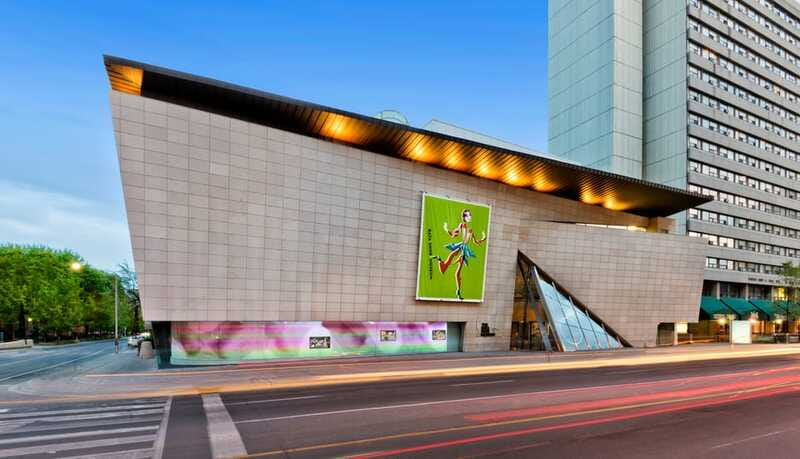
The building itself is part of the experience. Canadian architect Raymond Moriyama designed a bright contemporary structure shaped like a shoebox. That sounds playful, and it is, but the interior is spacious and useful rather than merely photogenic. The light helps the footwear displays feel open and easy to approach.
At the entrance, you receive general admission for the museum. Complimentary WiFi is available on-site, a small convenience if you want to look up a detail, share a photograph, or coordinate the rest of your day in Toronto.
The museum is wheelchair accessible. Smoking is not allowed. The stated host language is English, and the exhibition information is primarily presented in English. If you were hoping for French text because Canada is officially bilingual, that may be a disappointment.
More Museums in Toronto
- Toronto: Royal Ontario Museum Admission Ticket
★ 4.6 · 1,237 reviews - Royal Ontario Museum Admission
★ 4.5 · 411 reviews - Toronto: Art Gallery of Ontario General Admission Ticket
★ 4.6 · 251 reviews
Start with All About Shoes
Make the permanent All About Shoes exhibition your main stop. It takes you through roughly 4,500 years of footwear history, giving the museum a clear backbone instead of leaving you with a roomful of disconnected fashion objects.
The strength of this gallery is its subject matter. Shoes are practical objects, but they also reveal how people lived. A piece of footwear can show the climate someone faced, the work they performed, the customs they followed, and the social position they held.
You’ll see footwear from around the world and from many periods. The collection includes both original artifacts and replicas, so do not assume every object is an ancient survivor. The replicas still help explain shape, construction, and use, while the older pieces provide the visual impact.
The lower level has been especially praised for its older historical material and its explanation of how modern shoes developed. Give this area enough time. It is easy to hurry through a museum of objects that look familiar, but the historical displays reward careful reading.
This is also where the museum makes its best argument. It shows that the story of shoes is not just a fashion story. It is a social story, a design story, and a record of daily life. That wider view makes the museum appealing even if you are not especially interested in footwear.
Four galleries and changing exhibitions
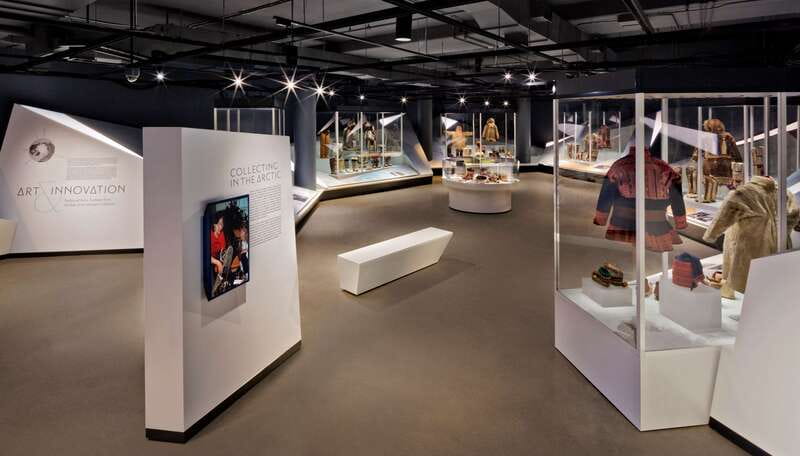
The museum offers four innovative gallery spaces with rotating artifacts and exhibitions. This arrangement gives you more than one way into the subject. The permanent exhibition provides continuity, while the changing rooms can shift the focus toward designers, social customs, art, or particular communities.
The rotating program matters because shoes are unusually flexible museum objects. One exhibition may focus on a famous designer, while another may look at footwear as part of clothing and cultural tradition. You might find examples in unusual colors, materials, and shapes, with displays that feel as much like design exhibitions as historical ones.
Past exhibitions have included a show devoted to Manolo Blahnik. That kind of presentation appeals to fashion fans, but it also shows how the museum can place popular design within a wider story of craftsmanship and style. Since exhibitions rotate, you should check what is on display when you visit rather than assuming a past show will still be there.
A small drawback is that the museum does not appear to offer a full collection-storage display. If you want to see every corner of its holdings, the public galleries cannot provide that. The exhibitions are selected presentations, not an open warehouse of every shoe the institution owns.
You may also find that the displays rely heavily on written information. One past comment wished for a stronger audio-visual presentation. If you prefer guided narration or an app that explains each object aloud, bring that expectation down a notch. The museum’s appeal is strongest when you enjoy looking closely and reading at your own pace.
Footwear as social history
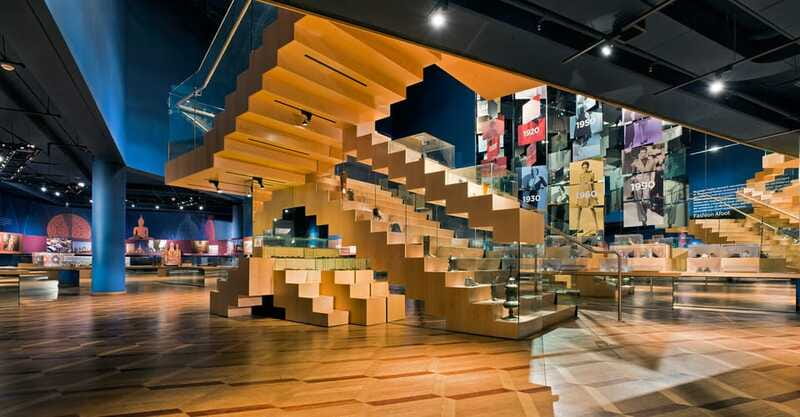
The best displays go beyond the question of what a shoe looks like. They help you ask who wore it, where it was used, and what it communicated.
A shoe can be made for hard work, ceremonial use, travel, protection, or display. It may point to local materials and weather, or to rules about class and appearance. This is why the museum works for more than fashion enthusiasts. You are really looking at human choices through an object that everyone understands.
The collection also includes footwear connected to people living above the Arctic Circle, along with traditional clothing from northern communities. That broader context is important. A shoe makes more sense when you see it as part of a complete way of dressing and living, rather than as an isolated object in a glass case.
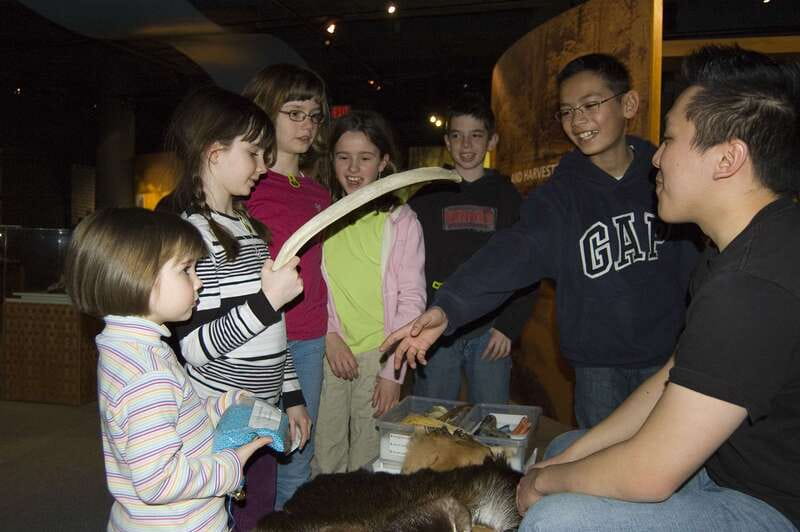
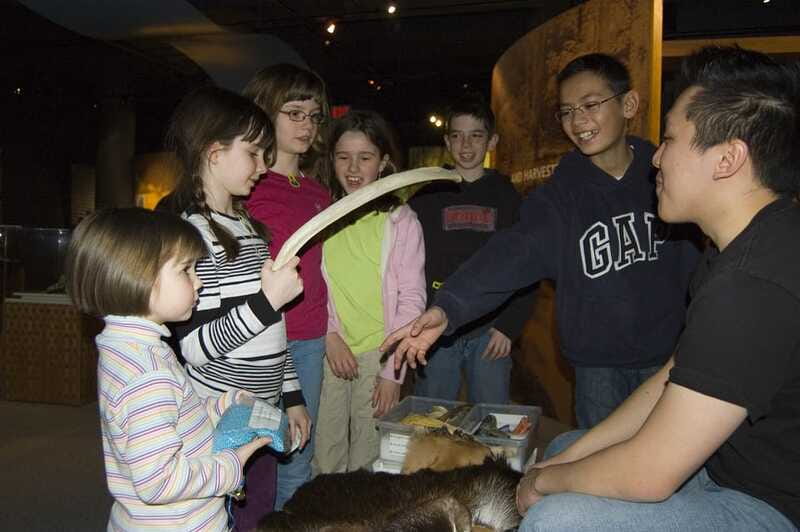
The displays can also help children ask useful questions. Why is this shoe built that way? Why would someone need it? Why does another pair look uncomfortable or overly elaborate? The subject is accessible, and the museum can work well for a parent and child outing, particularly if you allow time for conversation rather than rushing through every label.
Adults get plenty from it too. The museum provides a fresh way to think about familiar objects, and the international scope keeps the visit from feeling like a narrow study of Western fashion.
A completely different kind of day out on the same trip:
- Toronto: Niagara Falls Day Tour with Optional Boat Cruise
★ 4.6 · 3,178 reviews - Niagara Falls Day Tour from Toronto
★ 5.0 · 2,889 reviews - Toronto: Casa Loma Entry Ticket
★ 4.7 · 2,705 reviews - Niagara Falls Canada Day Tour From Toronto + Boat Cruise Option
★ 5.0 · 2,576 reviews
How long should you spend inside?
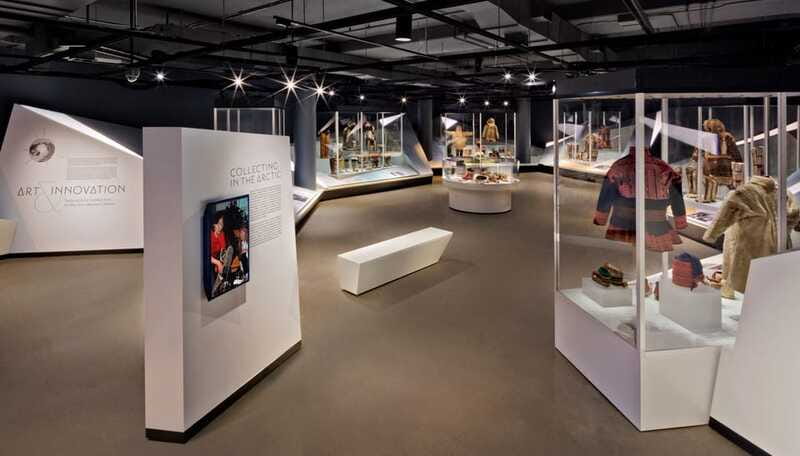
Most people can see the main displays in about one to two hours. That is enough for a focused visit, especially if you read selected labels and give the permanent exhibition priority.
If you love shoes, design, or cultural history, you may want longer. The ticket is valid for one day, so you do not need to treat the museum like a timed sprint. You can take a careful first pass, pause, and return to an exhibition that caught your attention.
The three-floor layout gives the visit a sense of movement, although it also means facilities are not necessarily placed beside every gallery. One visitor specifically wished for washrooms on a middle level rather than in the basement. If that matters to you, note the facilities early instead of waiting until the end.
The size is part of the value. This is not an all-day national museum, and it does not pretend to be. You can fit it comfortably into a day of exploring Bloor Street and nearby Toronto museums.
Is the $11 admission good value?
At $11 per person, this is an easy museum purchase to justify. You get access to the permanent exhibition and the rotating gallery spaces, with enough material for a satisfying hour or two. The price is especially fair if you have an interest in fashion, art, design, anthropology, or everyday objects with a story.
The museum also has repeat-visit value because the exhibitions change. You may not need to return every month, but a new temporary show can give the visit a different emphasis. A past Manolo Blahnik exhibition, for example, would appeal to a different audience than a display focused on traditional footwear.
Some people may find the price surprising for a relatively small museum. That concern is understandable if you are expecting a large, full-day institution. Once inside, however, the focused subject and quality of the collection make the admission reasonable. The value comes from the quality and variety of the material, not from the number of rooms.
You may also be able to combine the visit with the Textile Museum and the Gardiner Museum for a better overall deal, depending on the pass or ticket arrangement available at the time. That combination makes sense if you enjoy decorative arts, clothing, ceramics, and design. Do not add the museums simply to chase a discount if your schedule is already full.
What the visit does especially well
The permanent exhibition is the museum’s strongest feature. It gives you a clear story, and the older artifacts on the lower floor provide the most satisfying historical context.
The collection’s variety is another major strength. You can admire footwear in different colors, materials, and forms, then connect those visual differences to climate, culture, work, and ceremony. The display does not treat shoes as disposable accessories.
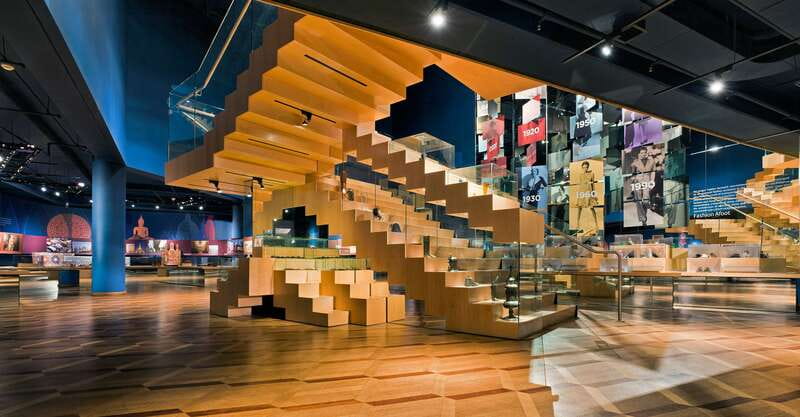
The architecture helps too. The shoebox shape gives the museum an identity before you even enter, while the bright interior keeps the galleries from feeling cramped. It is a clever example of a building reflecting its subject without overwhelming it.
The visit is also smooth and flexible. There is no required tour schedule stated, and you can explore at your own pace. Complimentary WiFi is useful, though it is a small bonus rather than a reason to make the trip.
Where the museum could improve
The largest limitation is the lack of a clearly stated audio guide or museum app. If you like listening to explanations while you look, the experience may feel more text-based than you prefer. One visitor suggested that an audio-visual presentation would make the material easier to absorb.
Language support may also be limited. English is the listed language, and a past visitor hoped for French descriptions. If you need bilingual interpretation, check current arrangements before you go.
The building’s layout is attractive, but the placement of washrooms in the basement may be inconvenient. This is a minor issue for a short visit, yet it is worth knowing if you have mobility or comfort concerns, even though the museum itself is wheelchair accessible.
Finally, the changing exhibitions mean that the exact experience can vary. A temporary show might be your favorite part, or it might not match your interests. The permanent collection gives you a dependable reason to visit, but check the current program if a special exhibition is important to your plans.
Who should visit the Bata Shoe Museum?
I would recommend it to anyone who enjoys objects with a human story. It is a particularly good match for:
- People interested in fashion, clothing, and design
- Families looking for a manageable museum visit
- History fans who enjoy social details rather than only major events
- Visitors curious about traditions from different parts of the world
- Anyone exploring Toronto’s museums around Bloor Street
- People who want a short indoor activity for roughly one or two hours
It is less suitable if you want a large interactive science museum, a guided tour, or a full-day attraction with constant audio-visual entertainment. The museum asks you to look, read, compare, and think.
Book ahead if you value flexibility. The ticket allows free cancellation up to 24 hours before the visit, and the reserve-now-pay-later option lets you hold plans without paying immediately. Check the current availability and starting times, since the admission is valid for one day but the available entry details can vary.
Should you book it?
Yes, if you want a distinctive Toronto museum with a modest price and a clear subject. The $11 admission is good value for the permanent collection, four gallery spaces, and a visit that fits neatly into a larger day.
I would make the Bata Shoe Museum a priority for design fans, families, and anyone who likes learning through everyday objects. Go with time to read the lower-level historical displays, and check the temporary exhibitions before booking. If you prefer audio guides, French interpretation, or highly interactive displays, you may find the presentation more limited than expected.
FAQ
Where is the Bata Shoe Museum located?
The museum is at 327 Bloor Street West in Toronto, Ontario.
How much does admission cost?
The listed price is $11 per person for general admission.
How long is the ticket valid?
The ticket is valid for one day. Check availability for the current starting times.
How long should I plan to spend at the museum?
Most people can allow roughly one to two hours, though you can spend longer if you want to read the displays carefully or revisit an exhibition.
What can I see inside the museum?
You can explore four gallery spaces with rotating exhibitions, plus All About Shoes, a permanent exhibition covering 4,500 years of footwear history.
Is the museum wheelchair accessible?
Yes, the Bata Shoe Museum is wheelchair accessible.
What language is used at the museum?
English is the stated language for the host and museum information. Complimentary WiFi is available on-site.
Newest reviews from Toronto
- Toronto: Guided Donut Walking Tour with Tastings and Coffee★ 5.0 · 42 reviews
- Toronto Harbour and Islands Cruise★ 4.5 · 42 reviews
- Toronto: Toronto Maple Leafs Game Ticket at Scotiabank Arena★ 4.6 · 43 reviews
- Toronto: Winter Niagara Falls Tour with Attractions Package★ 4.7 · 43 reviews
- Toronto: Hollywood North Experience Film & TV Tour★ 4.9 · 49 reviews
- Niagara Falls Scenic Day Tour from Toronto Airport Pickup★ 4.6 · 52 reviews
- 14-Minute Helicopter Tour Over Toronto★ 4.5 · 53 reviews
- Toronto Highlights Walking Tour with Tower Entry★ 4.8 · 53 reviews
Toronto Tours, compared.
Niagara Falls Day Tour with Optional Boat Cruise
Read our review →

Niagara Falls Canada Day Tour From Toronto + Boat Cruise Option
Read our review →

Niagara Falls from Toronto: Skip-the-Line Boat & Skylon Tower
Read our review →
Niagara Falls Tour + Boat Ride and/or Journey
Read our review →Browse the lists this tour appears in