
Reviewed · WHISTLER TOURS
The Great Whistler Walking Tour: Discover Whistler’s Sights, History & Culture!
Start with Whistler’s story, not just its slopes. The Great Whistler Walking Tour is a lively 90-minute introduction to the resort town, mixing glacial rivers, Olympic sites, public art, local history, and useful orientation. I like the central meeting point and the way the route includes both famous sights and quieter corners. I also like that guide Ryan keeps the pace family-friendly while sharing practical ideas about food and activities.
The main consideration is time. A 90-minute walk can introduce the Squamish Lil’wat Cultural Centre, Audain Art Museum, Whistler Museum, and Olympic Plaza, but it cannot give you a full visit inside each attraction. Museum admission is also separate, and the experience depends on good weather.
In This Review
- Key points to know before you book
- Why take a walking tour in Whistler?
- Whistler’s scenic side comes first
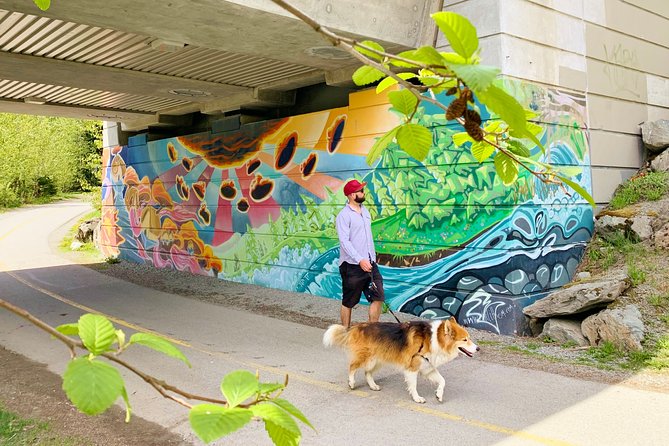
- Following the Whistler Valley Trail
- Seeing Blackcomb Village, Whistler’s Dark Side
- A brief introduction to Indigenous culture
- The Audain Art Museum from the outside
- Whistler Museum and Florence Peterson Park
- Olympic Plaza and the final photo stop
- What the $49.89 price gets you
- Who will get the most from this tour?
- Timing, weather, and cancellation details
- Should you book the Great Whistler Walking Tour?
- FAQ
- Where does the Great Whistler Walking Tour start?
- Where does the tour end?
- How long does the walking tour last?
- What language is the tour offered in?
- How much does the tour cost?
- Is admission to the museums included?
- What places are covered on the tour?
- Is the tour suitable for most people?
- What happens if the tour is canceled because of weather?
Key points to know before you book
- Ryan’s local tips can help you choose restaurants, activities, and areas to explore early in your stay.
- Olympic Plaza and the Olympic Rings provide one of the tour’s clearest photo stops.
- The Whistler Valley Trail shows you how the resort connects walking and cycling routes throughout the year.
- Blackcomb Village, known locally as the Dark Side, offers cafes, bars, shops, restaurants, and summer farmers markets twice a week.
- The cultural and art stops are brief, so plan to return later if you want time indoors.
- Groups are limited to 20 people, with service animals allowed and public transportation nearby.
Why take a walking tour in Whistler?
Whistler can look simple at first glance. You see the pedestrian village, the ski-area signs, the hotels, and the mountain facilities. But the town has several layers: an Olympic past, First Nations culture, public art, planned trails, local archives, and separate village areas with different moods.
This tour gives you a quick map of those layers. I think that is its main value. You are not spending half a day on a long excursion, yet you get enough context to decide where to return.
The tour begins at the Gondola Transit Exchange, a central location in Whistler, British Columbia. It ends back at the same meeting point, which makes the outing easy to fit into a first morning or afternoon. Since it takes about an hour and a half, you still have most of the day for skiing, sightseeing, shopping, or a museum visit.
I would book it near the start of your stay. Ryan has more than 15 years of experience in Whistler, and his practical advice may be as useful as the formal sightseeing. If you are only in town for a short visit, the tour helps you spend less time figuring out the resort’s layout on your own.
More historical tours:
- Victoria Guided Food and History Tour
★ 5.0 · 2,015 reviews - Gastown Historic Walking Food Tour
★ 5.0 · 1,863 reviews - Vancouver: Gastown Historical Walking Food Tour
★ 4.8 · 539 reviews
Whistler’s scenic side comes first
The opening section takes you through interesting areas in and around Whistler. The focus is broad rather than fixed on one single attraction. You might see glacial rivers, local artworks, Olympic venues, historic places, quieter local zones, and, on occasion, local wildlife.
That variety helps explain the appeal of the tour. You are not simply walking from one souvenir shop to another. The route connects natural scenery with the built resort, giving you a better sense of how Whistler functions beyond its winter sports reputation.
This portion lasts about 20 minutes, and admission is free. Bring a phone or camera, since the tour is designed with several photo stops in mind. The scenery may change with weather and the exact route, so you should think of this as a guided introduction rather than a guaranteed checklist of specific views.
Ryan’s style appears especially suited to families and first-time visitors. He keeps the pace comfortable and makes the information entertaining. That matters in Whistler, where a guide who talks too quickly or pushes a hard pace could make the outing less pleasant for children or anyone adjusting to the mountain setting.
Following the Whistler Valley Trail
About 30 minutes are devoted to sections of the Whistler Valley Trail network. This is the longest part of the experience, and it gives the tour a useful practical edge.
The trail network is designed for year-round use, so seeing part of it helps you understand how people move around the resort outside the main village streets. You learn what the network offers while walking through selected sections rather than treating the trail as a separate hiking trip.
I like this part because it adds a sense of place. The main resort area can feel planned and commercial, while the trail system shows how the different parts of Whistler connect. It also gives you another option for later in your visit if you want to walk or cycle beyond the central streets.
The description does not promise a strenuous hike, and the overall activity is a walking tour. Still, you should wear comfortable shoes and be ready to spend the full 90 minutes on your feet. The route may include outdoor surfaces and depends on weather, which is one reason the operator requires suitable conditions.
Seeing Blackcomb Village, Whistler’s Dark Side
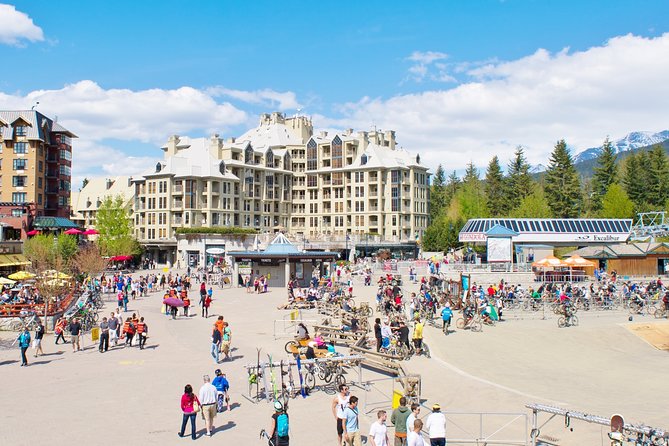
The tour then heads toward Blackcomb Village, sometimes called the Dark Side by locals. The name is playful, but the area is useful to know because it feels distinct from the main village.
Here you find cafes, bars, shops, and restaurants. In summer, the area also hosts the Whistler Farmers market twice a week. The tour description does not specify the market days, so you should check locally if that is important to your plans.
This 15-minute stop is short, but it can help you compare dining and shopping areas before choosing where to spend your evening. If you are staying near the central village, Blackcomb Village may otherwise be easy to overlook. If you are staying nearby, the orientation is even more practical.
Do not expect a long stop for eating or shopping during the tour. This is a quick look, not a market visit or a food tour. You are learning where the area is and what it offers, then deciding if you want to return later.
More walking tours:
- Whistler Sky Walk
★ 4.5 · 13 reviews - Quebec City Walking Tour
★ 5.0 · 4,716 reviews - Old Quebec City: Grand Walking Tour with Private Option
★ 4.8 · 2,609 reviews - The Original Old Montréal Walking Tour by Guidatour
★ 4.5 · 2,217 reviews
A brief introduction to Indigenous culture
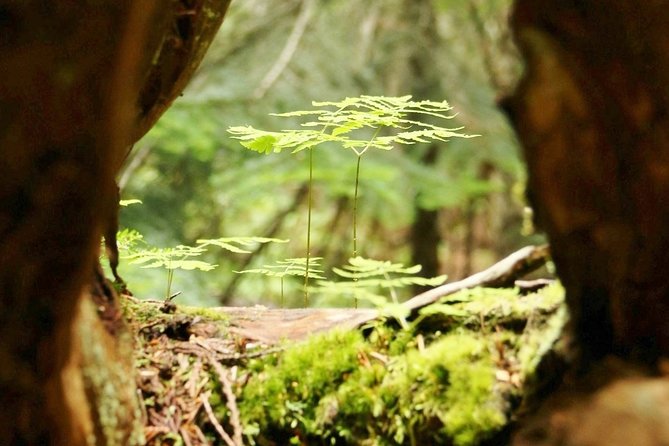
The Squamish Lil’wat Cultural Centre receives about five minutes on the walking route. You view the building’s architecture and some larger outdoor artworks. You also have the option to return at the end of the tour to explore the centre more fully and meet local First Nations people.
This is an important inclusion, but the short scheduled stop requires realistic expectations. Five minutes is enough to see the exterior and learn why the centre matters as a cultural site. It is not enough for a detailed museum visit.
I would treat this stop as an invitation to come back, especially if Indigenous art, architecture, and local First Nations culture are central to your interests. The option to return gives the tour more value because you can use the walking portion to decide if you want to spend additional time inside.
Admission is not included. That is worth noting when you compare the tour price with other sightseeing options. The $49.89 fee pays for the guided walk and local interpretation, but you should budget separately if you plan to enter this centre or the Audain Art Museum.
The Audain Art Museum from the outside
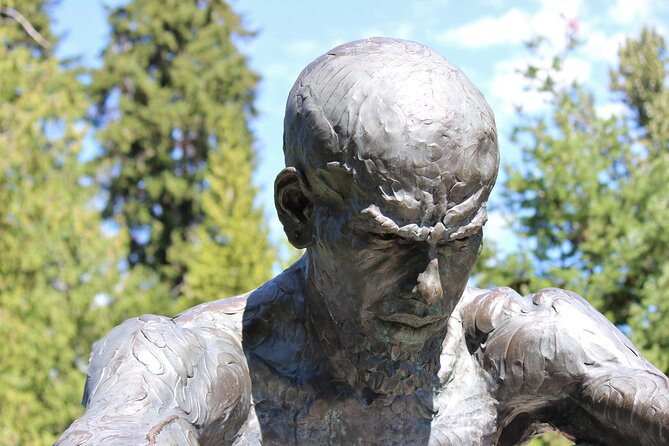
The Audain Art Museum receives only about two minutes. The focus is on its striking architecture and its role as one of Whistler’s leading arts organizations.
Inside, the museum presents a permanent collection covering British Columbia art from the late 18th century to the present. The walking tour does not provide enough time to explore that collection. Instead, it gives you a quick look at the building and lets you mark it for a later visit.
I see this as a useful orientation stop, not a substitute for admission. If you enjoy art, return on your own with enough time to see the displays properly. If museums are not a priority, the exterior viewing still adds another side of Whistler’s cultural life.
Admission is not included, so this is one of the clearest places where you need to plan for an extra cost. The tour helps you locate the museum, but you decide if a separate visit fits your budget and schedule.
Whistler Museum and Florence Peterson Park
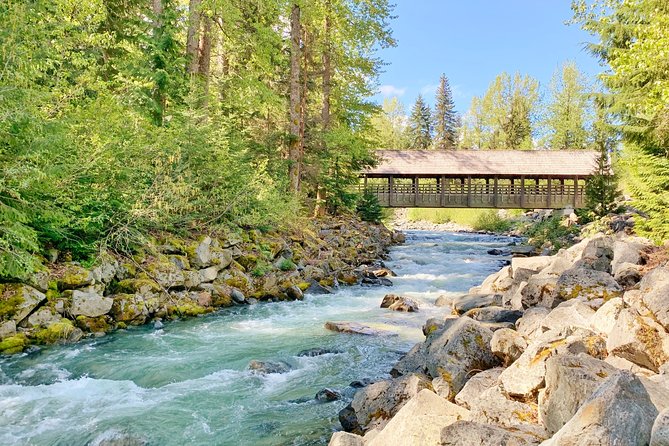
The Whistler Museum is another short stop, lasting about five minutes. It is located in a small forested area of Florence Peterson Park, alongside local artworks.
The museum holds Whistler’s historical archives. That makes it a worthwhile stop for anyone curious about how the resort developed, rather than only interested in its current restaurants, hotels, and ski facilities.
The route gives you two choices. You can finish the tour at the museum or return later for a longer visit. Since the main tour ends back at the Gondola Transit Exchange, the practical details of that choice may depend on the day’s route and the guide’s instructions.
I like the placement in Florence Peterson Park because it links local history with a quieter outdoor setting. The brief stop will not satisfy someone hoping for a full museum session, but it makes it easier to find an attraction you might miss while walking through the main commercial areas.
Olympic Plaza and the final photo stop
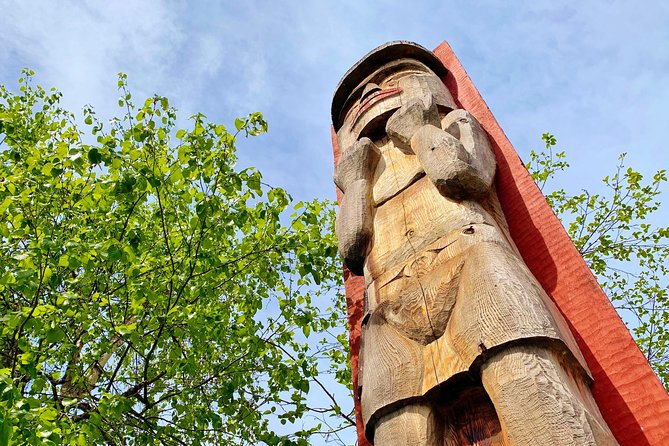
Olympic Plaza was the central hub during the 2010 Winter Olympic Games. Today, it brings locals and visitors together for festivals and events during the year.
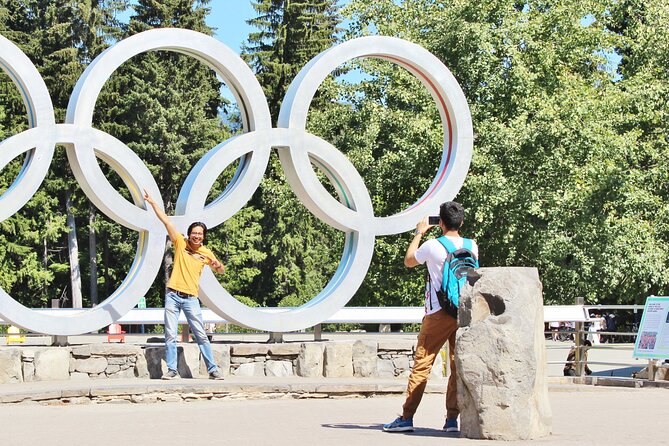
The plaza is also home to the Olympic Rings, one of Whistler’s most photographed locations. This is the clearest classic photo opportunity on the route, and it gives you a direct connection to the town’s Olympic identity.
The stop lasts about five minutes, with admission included. That is enough for photos and a short explanation, but special events may affect what the plaza looks like when you visit. The tour does not promise a particular festival or event, so the value here is the setting itself.
For many people, Olympic Plaza will be the most immediately recognizable stop. The cultural centre and museums offer more depth, but the rings provide the quick, memorable image most people expect from a Whistler visit.
What the $49.89 price gets you
At $49.89 per person, this is not the cheapest way to walk around Whistler. You can explore public areas on your own without paying an admission fee. The question is what you gain from the guide.
You are paying for a structured route, local context, and help locating places that you might pass without understanding. Ryan’s 15-plus years in Whistler add practical value, especially if you want advice about dining and activities rather than a recital of dates.
The price makes more sense if you take the tour early in your visit. A tip about Blackcomb Village, the Valley Trail, or a museum could shape your plans for the next several days. It makes less sense if you already know Whistler well or only want a single attraction in depth.
The tour includes several free outdoor stops, while admission to the Squamish Lil’wat Cultural Centre and Audain Art Museum is not included. Keep that distinction in mind. The experience is an orientation walk with cultural and historical highlights, not an all-inclusive museum package.
The group maximum is 20 people. That is large enough to create a social outing but limited enough to keep the walk more manageable than a big coach-style experience. The provided information does not guarantee the exact group size on your date.
Who will get the most from this tour?
I would recommend it most strongly to first-time visitors, families, and people who want a quick introduction before choosing their own activities. Ryan’s friendly pace is a good fit if you prefer useful explanations without a long, demanding excursion.
It also suits visitors who want more than ski-resort scenery. The tour includes First Nations culture, art, archives, Olympic history, trails, public spaces, and local wildlife on occasion. That range helps you see Whistler as a town, not just a base for mountain sports.
You may want a different plan if your main goal is a long museum visit, a strenuous hike, or a highly specialized history tour. The cultural centre, Audain Art Museum, and Whistler Museum receive short outdoor introductions. You need to return later for the full experience.
The tour is offered in English. Service animals are allowed, the meeting point is near public transportation, and most people can participate. The supplied information does not provide a detailed surface description or accessibility assessment, so contact the operator if you have specific mobility needs.
Timing, weather, and cancellation details
The activity lasts approximately 1 hour and 30 minutes and begins and ends at the Gondola Transit Exchange. Since the route is outdoors, comfortable shoes and weather-ready clothing are sensible choices, although the operator does not list a detailed packing guide.
The experience requires good weather. If poor conditions force a cancellation, you are offered another date or a full refund. It also requires a minimum number of participants, so a cancellation for that reason comes with the option of another date or experience, or a full refund.
You can cancel for a full refund up to 24 hours before the start time. Changes or cancellations made less than 24 hours ahead are not accepted for a refund. The cut-off uses Whistler local time, so check the time zone before making changes.
The tour is booked, on average, six days in advance. That is not a guarantee that every date sells out, but it is a useful reason to reserve ahead if your Whistler schedule is fixed.
Should you book the Great Whistler Walking Tour?
Book it if you want a friendly, efficient first look at Whistler and plan to use local advice during the rest of your stay. The strongest reasons are the broad route, the Valley Trail orientation, the Olympic Plaza photo stop, and Ryan’s practical approach.
Do not book it expecting detailed visits inside the museums or cultural centre. Those stops are short, and admission is extra. Think of the tour as a guided town map with stories and photo opportunities, then return independently to the places that catch your interest.
At $49.89, the experience is best value for first-time visitors who want to get their bearings fast. If that sounds like your trip, I would schedule it near arrival, keep the rest of the day flexible, and use the walk to choose where to eat, what to see, and which cultural sites deserve more time.
FAQ
Where does the Great Whistler Walking Tour start?
The tour starts at the Gondola Transit Exchange in Whistler, British Columbia.
Where does the tour end?
The activity ends back at the meeting point, the Gondola Transit Exchange.
How long does the walking tour last?
The tour lasts approximately 1 hour and 30 minutes.
What language is the tour offered in?
The tour is offered in English.
How much does the tour cost?
The listed price is $49.89 per person.
Is admission to the museums included?
Admission is not included for the Squamish Lil’wat Cultural Centre or the Audain Art Museum. The Whistler Museum stop is listed as free, and Olympic Plaza admission is included.
What places are covered on the tour?
The route includes Whistler, sections of the Whistler Valley Trail, Blackcomb Village, the Squamish Lil’wat Cultural Centre, the Audain Art Museum, Whistler Museum, and Whistler Olympic Plaza.
Is the tour suitable for most people?
Most people can participate, and service animals are allowed. The tour is near public transportation and has a maximum group size of 20 people.
What happens if the tour is canceled because of weather?
If poor weather causes cancellation, you are offered a different date or a full refund. The same options apply if the minimum number of participants is not reached.
Newest reviews from Whistler
- Whistler: 2-Hour Evening Zip Line Adventure★ 4.6 · 6 reviews
- Whistler Guided Lunch Tour – 4 Restaurants in 1 Fun Afternoon★ 5.0 · 6 reviews
- Whistler: Axe Throwing Experience★ 5.0 · 6 reviews
- Whistler Development Snowboard Rental Package★ 5.0 · 7 reviews
- Vancouver Airport Private Transfer to Whistler★ 4.0 · 7 reviews
- Whistler Guided Day Hiking★ 5.0 · 8 reviews
- Private Transfer Whistler to/from Vancouver One Way★ 5.0 · 9 reviews
- Whistler: Backcountry Snowshoeing Tour with Guide★ 5.0 · 9 reviews
Whistler Tours, compared.
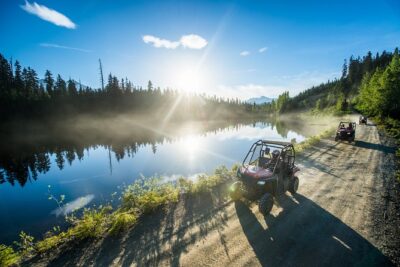
Whistler Odyssey Tour: Off-Road Buggy Adventure
Read our review →
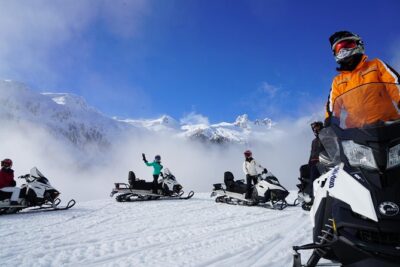
2 Hour Wilderness Adventure Snowmobile Tour in Whistler
Read our review →
Superfly Ziplines on Cougar Mountain – includes 4 ziplines!
Read our review →
Whistler Sightseeing Tour: Discover all of Whistler Year-Round!
Read our review →
Browse the lists this tour appears in