
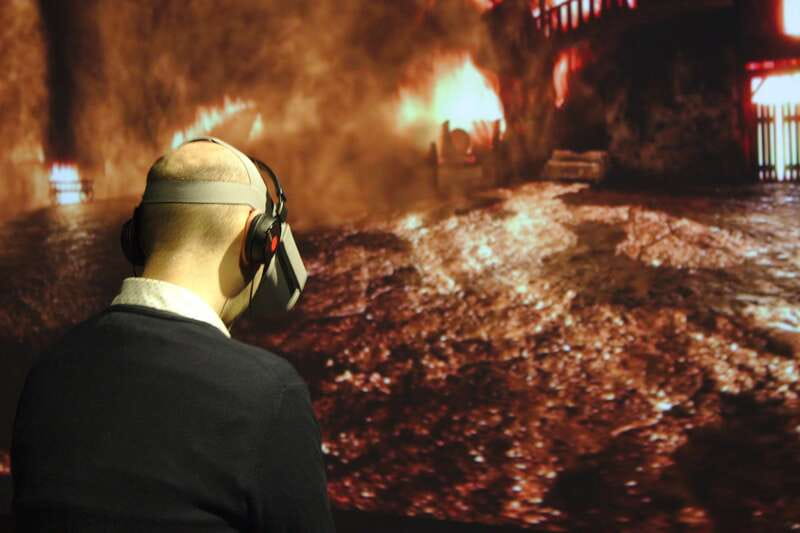
Reviewed · QUEBEC CITY TOURS
Quebec City’s History in Virtual Reality
History gets a headset. In Quebec City’s old Lower Town, this 40-minute experience uses a virtual reality projection headset to tell the story of more than 400 years through 10 key moments. I like the way it brings history into the setting itself, with the presentation held inside the stone vaults of Maison Chevalier, a building dating to 1752. I also like the small-group format and the fact that you remain seated from start to finish.
The main caution is the technology. Some of the visual material can look blurry or dated, and the music may overpower the narration at times. If you expect cutting-edge virtual reality, you may find the presentation less polished than the subject deserves. If you want a compact introduction to Quebec City, though, the price is fair and the battle scenes help make difficult events easier to picture.
In This Review
- Key Points Before You Go
- Inside Maison Chevalier’s Historic Vaults
- A 40-Minute Trip Through Ten Key Moments
- Why the Battle Scenes Matter
- The Technology: Useful, But Not Brand New
- Why Remaining Seated Changes the Experience
- The Value of $19 in Quebec City
- Who Will Get the Most From This Experience
- How to Fit It Into a Day in Old Quebec
- Language Options and Audio
- What I Would Improve
- Should You Book Quebec City’s History in Virtual Reality?
- FAQ
- Where does the virtual reality experience take place?
- How long does the experience last?
- How much does it cost?
- Do I remain seated during the presentation?
- How much of Quebec City’s history does it cover?
- What is included in the ticket?
- Which languages are available?
- Can I cancel my booking?
Key Points Before You Go
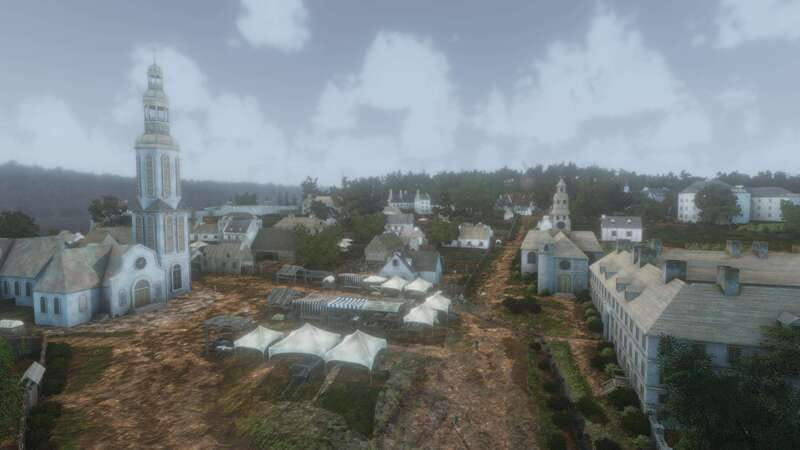
- Ten key moments cover over 400 years, giving you a quick historical framework rather than a single narrow story.
- Maison Chevalier’s 1752 vaults provide the setting, adding a genuine historic atmosphere before the headset even begins.
- The entire 40-minute presentation is seated, making it a practical choice after a long day of walking around Old Quebec.
- The history includes major battles for the city, with reenactments designed to help you understand how those events unfolded.
- English and French instruction are available, while the audio guide also offers Spanish, Chinese, English, and French.
- The $19 price is reasonable, especially if you want a short cultural activity that does not take half a day.
Inside Maison Chevalier’s Historic Vaults
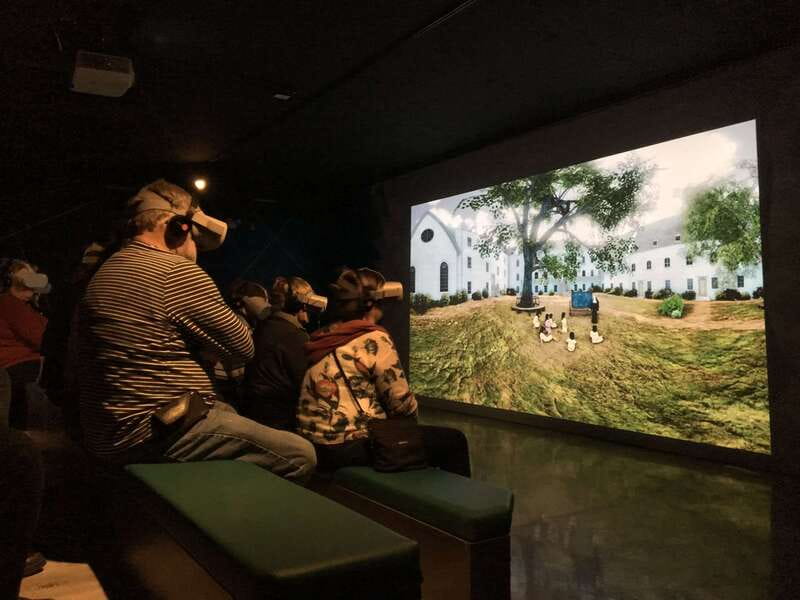
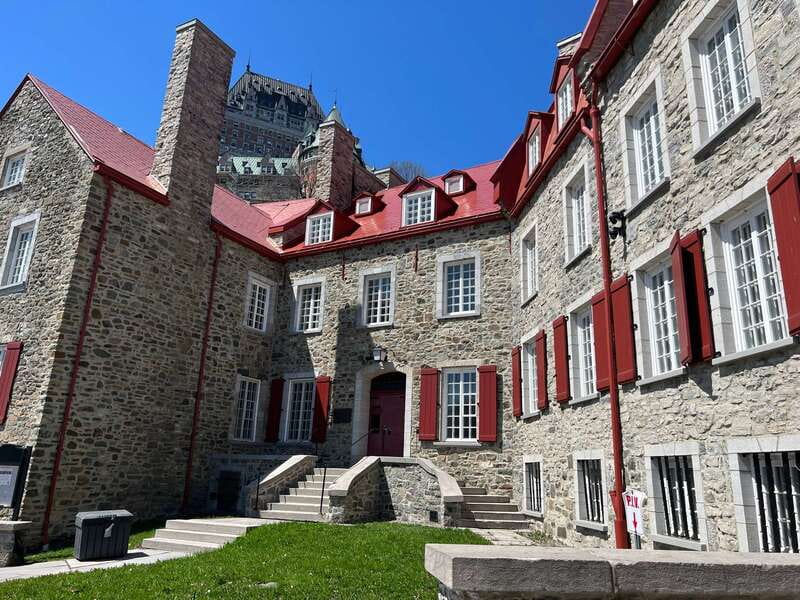
The meeting point is in the vaults of Maison Chevalier, near the sidewalk in historic Quebec City. Look for the entrance door on the left. That detail matters because the experience is not presented in a modern museum hall or a large theater. You begin in a real 18th-century setting.
Maison Chevalier dates to 1752, so the building gives the activity a useful sense of place. You are learning about Quebec City while sitting inside part of the city’s older built fabric. The setting cannot replace a walk through Old Quebec, but it makes a good companion to one.
The small number of participants should also help keep the arrival simple. This is not designed as a huge auditorium production. You should expect a more contained experience, with the group seated together before the presentation begins.
The activity is operated by Tours Voir Quebec. Instruction is available in English and French, and an audio guide is included in Spanish, Chinese, English, and French. Check the language arrangement when you reserve, especially if everyone in your party prefers the same option.
More City Tours in Quebec City
- Quebec City Walking Tour
★ 5.0 · 4,716 reviews - Quebec City: Guided Tour of Fairmont Le Château Frontenac
★ 4.7 · 3,027 reviews - Québec City: Guided Sightseeing River Cruise
★ 4.4 · 3,000 reviews
A 40-Minute Trip Through Ten Key Moments
The basic structure is easy to understand. You sit down, put on the virtual reality headset, and follow a programmed presentation that moves through 10 important points in Quebec City’s past.
You should not expect a full university course. Ten moments in more than 400 years means the presentation has to move quickly. That is both its strength and its limit. You get a clear introduction to why Quebec City matters, but you will not receive equal detail on every century, political change, or neighborhood.
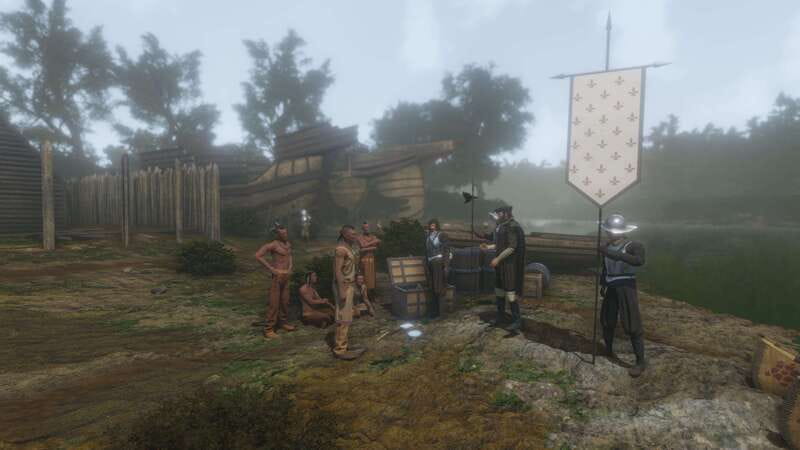
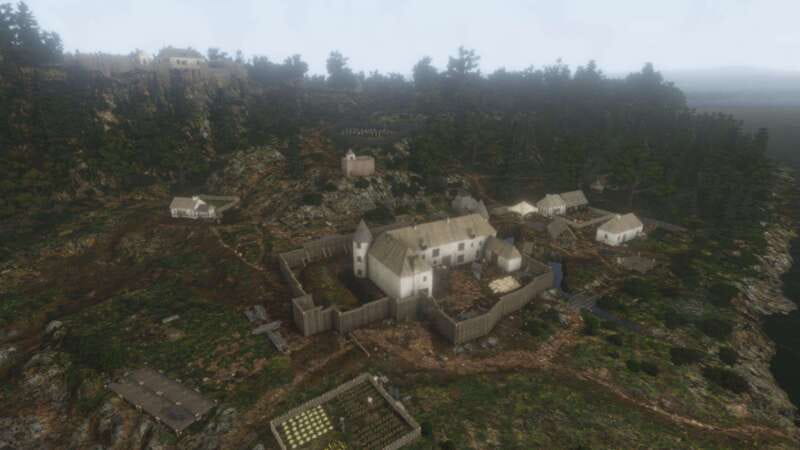
The presentation uses 3D animation and historical images. More than 6,200 hours of research and programming went into the production, which helps explain its wide scope. The aim is to make the city’s history easier to see, not simply to recite dates.
I like this format for first-time visitors. Before or after you walk the city, the experience gives you a basic timeline. It can help you understand why Quebec City is known for its fortified historic core, its French identity, and its role in conflicts involving control of the city.
The sequence also gives families and mixed-age groups a way to learn together. You do not need prior knowledge of Canadian or Quebec history. The headset and animations provide visual help, while the audio explains what is happening.
Why the Battle Scenes Matter
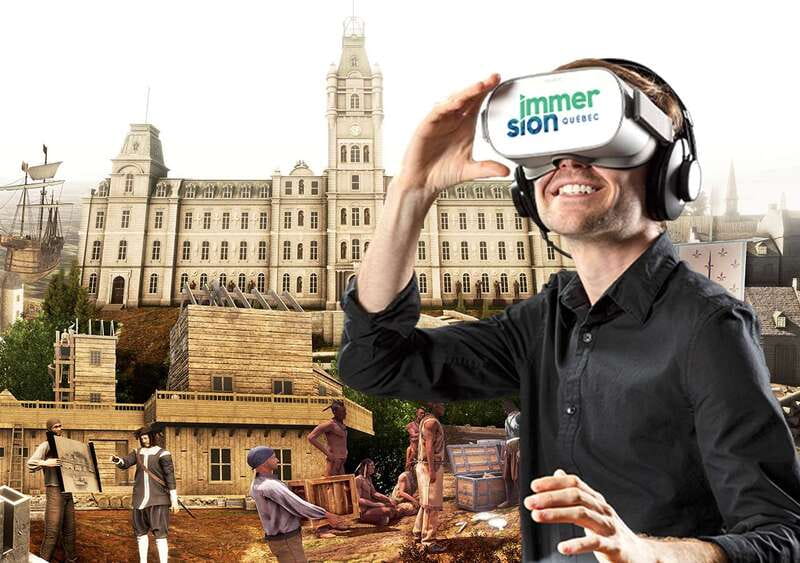
The strongest material appears to be the treatment of the battles for Quebec City. The reenactments help you picture historic events that can otherwise feel abstract when you encounter them on a plaque or in a guidebook.
Battle history can be hard to follow because the same place may change meaning over time. A street, fortification, or river approach may be important for several different reasons. A visual recreation can show how people, buildings, and military forces fit together more clearly than a paragraph of text.
This is where the activity offers something different from a standard walking tour. A guide can point toward a location, but the virtual presentation can reconstruct scenes that no longer exist. You may get a better sense of how the city looked and why control of it mattered.
The reenactments are not a substitute for visiting the city’s historic sites in person. They are best used as a short primer. Afterward, you may find it easier to connect the presentation with the streets, walls, and buildings you see outside.
The Technology: Useful, But Not Brand New
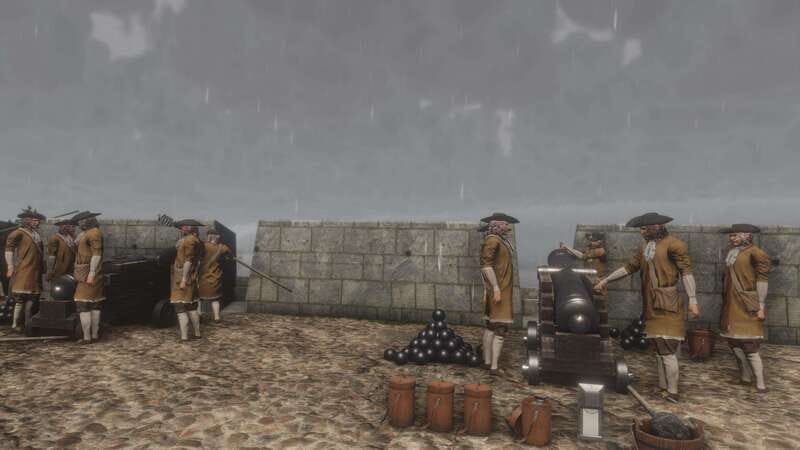
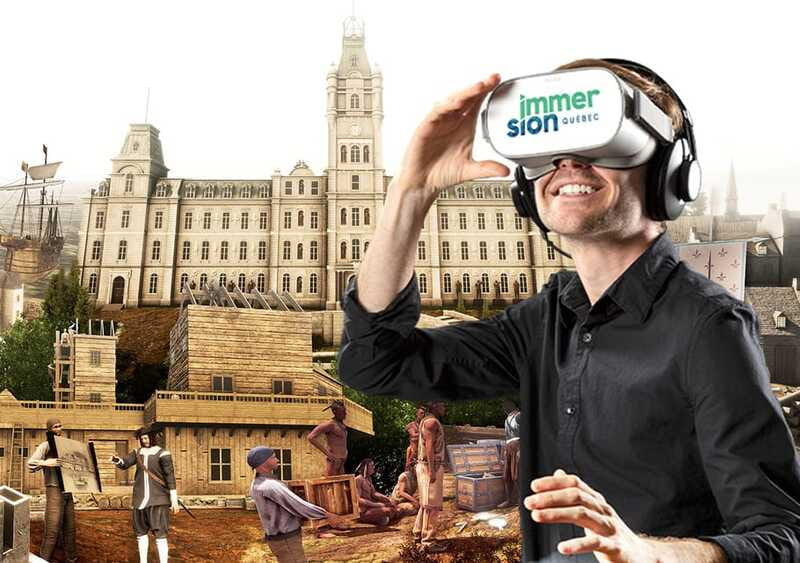
The headset is the central tool, but you should set your expectations carefully. The production uses 3D animation and images rather than the kind of high-resolution virtual world you might see in a new video game or a major museum installation.
Some of the visual material may appear soft or blurry. The human figures and buildings may not have the fine detail you expect from current digital media. That does not make the history useless, but it can reduce the impact of certain scenes.
I would think of this as a history presentation supported by virtual reality, not as a technology showcase. The subject is more important than the hardware. If you care most about chronology, context, and battle reenactments, the limitations may not bother you much.
Sound is another point to watch. One report noted that the music was too loud and made the narration difficult to hear. That is a practical concern because the spoken explanation carries much of the historical content. If the sound balance is not right during your session, mention it promptly to the staff.
The presentation could also benefit from a visual refresh. More detailed drawings, photographs, or sharper images might make the people and buildings easier to recognize. For now, the strongest reason to book is the content and format, not the latest technology.
More Historical Tours in Quebec City
- Evening Gourmet Tour 5 Course Dinner – History and Food in Old Quebec City
★ 5.0 · 496 reviews - Quebec City: Old Quebec Historical Walking Tour
★ 4.8 · 409 reviews - Combo Historical and Food Tour of Old Quebec
★ 5.0 · 360 reviews - Walking Tour Through Quebec City’s History
★ 4.5 · 263 reviews
Why Remaining Seated Changes the Experience
You remain seated throughout the 40-minute program. That makes this an easy addition to a busy Quebec City day, especially after walking the steep streets and stone lanes of Old Quebec.
The seated setup also keeps the presentation focused. You are not moving between rooms or trying to keep up with a guide. Once the headset is in place, you can concentrate on the narration and images.
This may suit you if you prefer a quiet, contained activity. It can also work well for people who want to limit walking during one part of the day. The experience is not described as a walking tour, so you should not book it expecting outdoor views or a visit to multiple landmarks.
The tradeoff is physical variety. For 40 minutes, your experience happens from one seated position. If you need frequent movement or prefer hands-on exhibits, the format may feel static despite the virtual presentation.
The Value of $19 in Quebec City
At $19 per person, this is priced as a short cultural activity rather than a major ticketed attraction. I consider that good value if you want a compact overview and are interested in how Quebec City became important.
The duration helps. You are not paying for a three-hour production when you only have a small opening in your schedule. Forty minutes leaves room for a meal, a museum visit, or more time walking the historic center.
The setting adds value, too. You are not simply watching a video in an ordinary room. The program takes place in the vaults of Maison Chevalier, a historic building dating from 1752. That does not turn the presentation into a full museum visit, but it gives the activity a stronger connection to Quebec City.
The value is weaker if you already know the city’s history in detail or expect modern, crystal-clear graphics. In that case, the presentation may feel introductory. You are paying for a concise combination of place, narration, reenactment, and digital visuals.
I would especially consider it for a first visit, a rainy-day plan, or a family group that needs an activity with limited walking. At $19, it is an easy purchase to justify if the subject interests you.
Who Will Get the Most From This Experience
This activity is a good fit for you if you want:
- A fast introduction to Quebec City’s past
- A seated break from walking
- A visual explanation of major battles
- A history activity suitable for mixed ages
- A presentation in English or French
- An audio guide in Spanish, Chinese, English, or French
- A short cultural stop in a historic building
It may be less satisfying if you want a personal guide, a long question-and-answer session, or a detailed examination of specific historic sites. The format is programmed, so it cannot respond to your interests in the way a private guide can.
You should also choose carefully if image quality matters a great deal to you. The 3D material supports the story, but it is not always sharp or highly detailed. Go for the historical explanation and the setting, with the technology treated as a tool.
How to Fit It Into a Day in Old Quebec
The activity works best when paired with time outdoors. You can use it early in your visit to get a basic historical framework, then walk through the city with that context in mind.
You can also schedule it after sightseeing. Since you sit throughout the program, it offers a natural pause after exploring the older streets. The 40-minute length is short enough that it should not take over your day.
Allow a little attention to the meeting point. The entrance is the door on the left near the sidewalk, in the vaults of Maison Chevalier. This is a useful detail to keep in mind because the historic setting may not look like a conventional attraction entrance.
Starting times vary, so you need to check availability for the date you want. The experience offers skip-the-ticket-line access, and you can reserve now while paying later. Cancellation is free up to 24 hours in advance for a full refund, which gives you some flexibility when weather or sightseeing plans change.
Language Options and Audio
The activity is presented with English and French instruction. The included audio guide adds Spanish and Chinese, along with English and French.
That range is useful because the presentation depends heavily on narration. The visuals alone cannot carry all the historical detail, particularly when the animated images are not perfectly sharp.
If you are visiting with people who have different language preferences, confirm the available setup before you go. The supplied information identifies the language choices, but it does not explain whether every participant can select a separate audio language at the same time.
The sound balance is worth paying attention to once the program begins. Music can add drama to battle scenes, but it should not cover the narration. If you have trouble hearing, raise the issue with the staff rather than trying to guess your way through the historical sequence.
What I Would Improve
The experience has a strong basic idea: put a short history of Quebec City into a historic vault and use digital scenes to show events that are difficult to reconstruct in real life.
The main improvements would be technical. Sharper images would make buildings and people easier to recognize. A mix of detailed 2D drawings, photographs, and 3D animation could also give the presentation more visual variety.
Sound levels deserve attention as well. Music should support the story, not compete with the spoken explanation. These are not small details in a headset-based activity. Clear pictures and clear audio determine how much history you take away.
Even with those limits, the program remains useful because the subject is well chosen. Quebec City’s past includes complicated changes of power and major military conflicts. A visual presentation can give you the basic shape of that story in less than an hour.
Should You Book Quebec City’s History in Virtual Reality?
I would book this for a short, affordable introduction to Quebec City, especially if you are visiting for the first time or want a break from walking. The 1752 Maison Chevalier vaults, the seated format, and the battle reenactments give it real practical value.
I would skip it if you want cutting-edge graphics or a deeply detailed history lesson. The imagery can look dated, and music may occasionally overpower the narration. But at $19 for 40 minutes, it is a sensible choice for families, history fans, and anyone who wants more context before exploring the city’s old streets.
FAQ
Where does the virtual reality experience take place?
It takes place in the vaults of Maison Chevalier, a historic building dating to 1752. The entrance is the door on the left near the sidewalk.
How long does the experience last?
The experience lasts 40 minutes.
How much does it cost?
The listed price is $19 per person.
Do I remain seated during the presentation?
Yes. You remain seated throughout the entire experience.
How much of Quebec City’s history does it cover?
The presentation covers more than 400 years of history through 10 key moments.
What is included in the ticket?
A virtual reality headset and an audio guide are included.
Which languages are available?
Instruction is available in English and French. The audio guide is available in Spanish, Chinese, English, and French.
Can I cancel my booking?
Yes. You can cancel up to 24 hours in advance for a full refund. You can also reserve now and pay later.
Newest reviews from Quebec City
- YQB Airport Transfer★ 5.0 · 41 reviews
- Immersion Quebec: Virtual Reality Experience of Quebec City’s History★ 4.5 · 51 reviews
- Quebec City – Regular Bike Rental on Ile d’Orléans★ 4.6 · 52 reviews
- Snowshoeing Tour in Jacques-Cartier National Park★ 5.0 · 55 reviews
- Québec: Fortifications-of-Québec Guided Walking Tour★ 4.7 · 60 reviews
- Christmas Magic in Old Quebec★ 4.5 · 61 reviews
- Quebec City: MNBAQ National Fine Arts Museum Entry Ticket★ 4.6 · 63 reviews
- Quebec: City Tour, Montmorency Falls & Île d’Orléans Tour★ 4.5 · 68 reviews
Quebec City Tours, compared.


Half-Day Trip to Montmorency Falls and Ste-Anne-de-Beaupré from Quebec city
Read our review →
Old Quebec City: Grand Walking Tour with Private Option
Read our review →
Montmorency Falls & Ile d’Orleans Half-Day Tour
Read our review →
Hop-on Hop-off Open-Top Double Decker Bus Tour
Read our review →Browse the lists this tour appears in