
Reviewed · QUEBEC CITY TOURS
Quebec City: Winter Walking Tour in Old Quebec
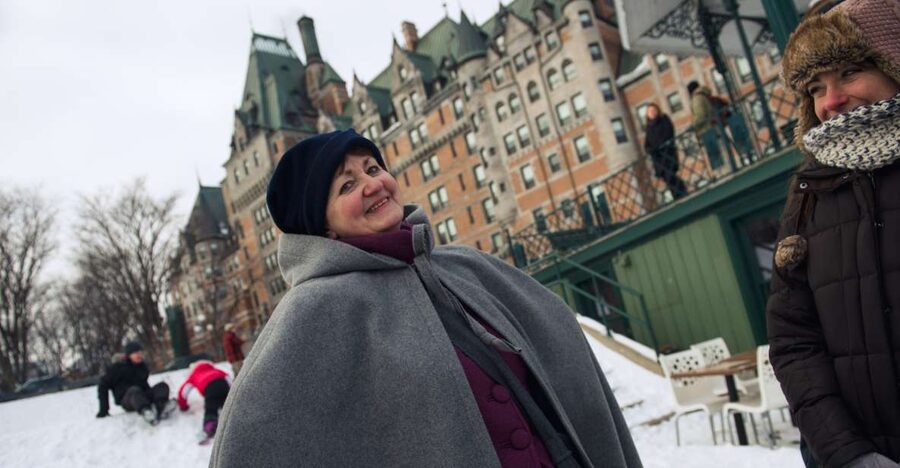
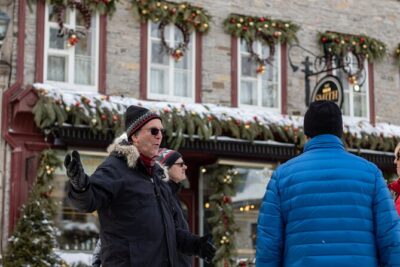
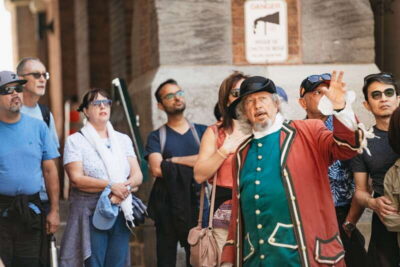
Winter gives Old Quebec its proper setting. Snowy streets, fortified walls, and the St. Lawrence River make the city feel closely tied to its past. This 90-minute walking tour offers a good introduction to that story, led by a local guide in period costume and offered in English or French. I especially like the Upper and Lower Town route and the stop at Dufferin Terrace, where the views open across the river. The main consideration is simple: you will be outside for the entire tour, rain or shine, and one 90-minute walk may feel too brief if you want a fuller look at the city.
The tour also visits important churches, public squares, monuments, and the Petit-Champlain District below the fortifications. I like that it is not limited to the postcard center around Château Frontenac. One guest particularly enjoyed guide Chantelle’s lively style and said the route helped with getting oriented for independent exploring afterward. Another guest wished there had been more walking through the city, so expect a focused introduction rather than a full-day sightseeing experience.
In This Review
- Key points to know before you book
- Starting among the walls of Old Quebec
- Château Frontenac and Dufferin Terrace
- Churches, squares, and the city inside the fortifications
- Descending to Petit-Champlain and Lower Town
- Why winter changes the experience
- What the $22 price gets you
- Who will enjoy this Old Quebec walk?
- Practical advice for a smoother winter walk
- Should you book this winter walking tour?
- FAQ
- How long is the Quebec City winter walking tour?
- What price should I expect?
- Which parts of Old Quebec does the tour visit?
- Which landmarks are included?
- Is the tour offered in English?
- Is the tour wheelchair accessible?
- What happens if the weather is poor?
Key points to know before you book
- Upper and Lower Town in 90 minutes: The route connects the fortified city above with Petit-Champlain near the river.
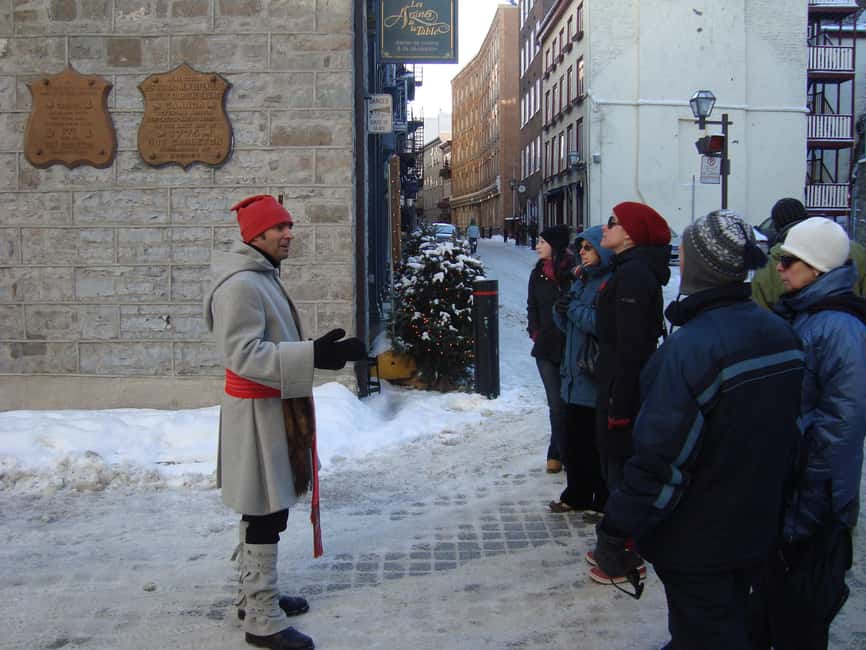
- A period-costumed guide: Guides such as Chantelle use character and storytelling to make Quebec’s past easier to follow.
- Winter is part of the subject: The tour explains how local people and earlier generations adapted to Quebec’s cold climate.
- Major landmarks included: Expect Château Frontenac, Dufferin Terrace, Holy Trinity Cathedral, Notre-Dame-de-Québec Cathedral and Basilica, and Old Quebec’s squares.
- A low price for a useful orientation: At $22 per person, the tour is reasonably priced if you want context before exploring alone.
- Plan for outdoor conditions: The walk operates rain or shine and lasts 90 minutes, so warm clothing and good footwear matter.
Starting among the walls of Old Quebec
The tour begins in or near the historic center, with the exact meeting point depending on the option booked. That detail matters, so check your confirmation carefully before setting out. You will be walking through the walled city first, where the streets and buildings tell the story of Quebec as a fortified settlement with more than 400 years of history.
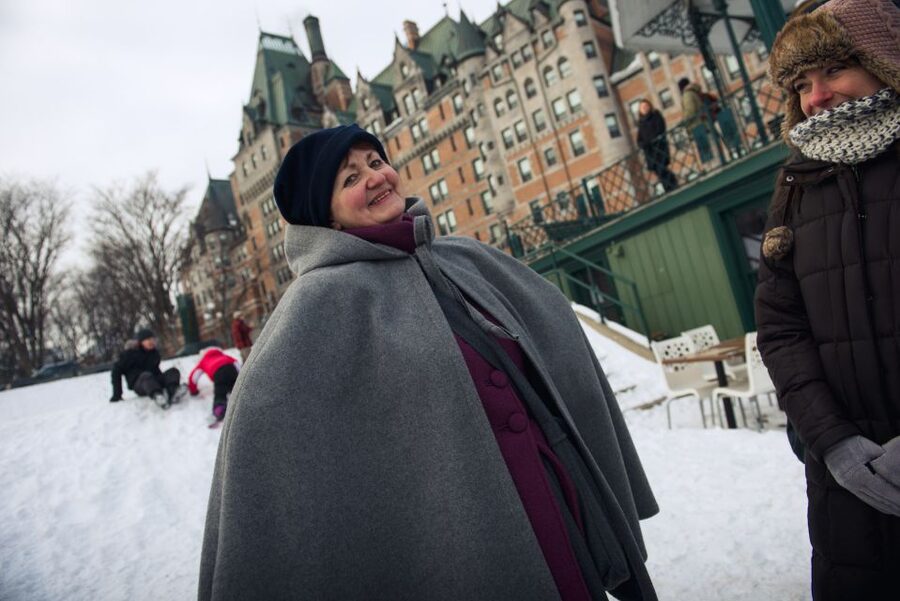
A local guide leads the way in English or French. The period costume adds a small theatrical touch without changing the basic nature of the experience. You are still on a walking tour, but the historical character helps give the stories a human face. Chantelle, one guide praised for her engaging and cheerful manner, used that approach well for at least one group.
I see this opening portion as the tour’s orientation lesson. Instead of simply pointing at attractive buildings, the guide explains how Old Quebec developed, how people lived here, and how the city’s French culture took root in North America. That background gives you more to notice later. A church becomes more than a facade, and a square becomes part of the city’s social and political story.
The tradeoff is pace. Ninety minutes is not long, especially when the tour includes both Upper and Lower Town. If you want every architectural detail explained, you may find the historical information difficult to follow at times. One French-speaking guest described the experience as original and enjoyable but noted that the history could be challenging for newcomers to Quebec’s past.
More City Tours in Quebec City
- Quebec City Walking Tour
★ 5.0 · 4,716 reviews - Quebec City: Guided Tour of Fairmont Le Château Frontenac
★ 4.7 · 3,027 reviews - Québec City: Guided Sightseeing River Cruise
★ 4.4 · 3,000 reviews
Château Frontenac and Dufferin Terrace
One of the first major sights is Fairmont Le Château Frontenac, the grand hotel that dominates the Upper Town skyline. The tour does not treat it as an isolated photo stop. Its location helps explain how Quebec presents itself: part fortress, part political center, part elegant hotel district.
The exact amount of time spent at each sight is not specified, so you should not expect a formal interior visit or an extended hotel tour. The value is in seeing Château Frontenac as part of the city’s larger story. Your guide can connect the building and surrounding streets with Quebec’s past and present, giving you a better sense of why this area is so important.
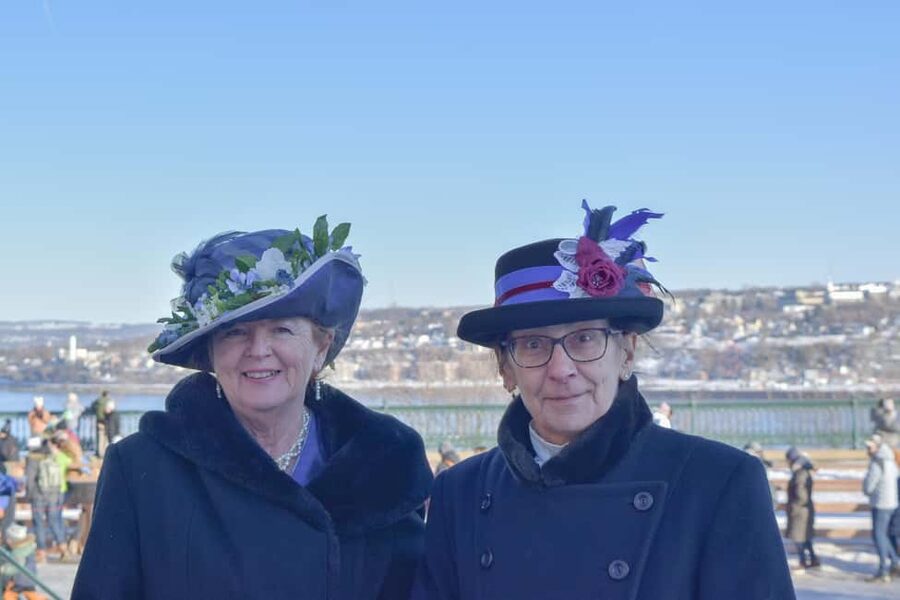
From there, the walk reaches Dufferin Terrace. This broad viewpoint looks over the St. Lawrence River and gives you one of the clearest visual breaks in the tour. In winter, the setting can be especially striking, with snow underfoot and cold air sharpening the view across the river.
Bring your camera, but do not let the view distract you from the practical side of the stop. Wind and cold can be stronger at an exposed viewpoint than on a sheltered street. A hat, gloves, and a coat that covers your neck are sensible choices. The tour takes place outdoors, and there is no promise of weather-based changes.
Dufferin Terrace also helps you understand the physical shape of Quebec City. From above, the separation between Upper and Lower Town becomes clear. You are not just crossing streets. You are moving between two parts of the city that developed at different levels and have different moods.
Churches, squares, and the city inside the fortifications
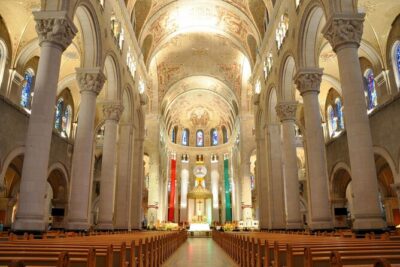
The route continues through Old Quebec’s public squares, monuments, and churches. Two key religious landmarks are Holy Trinity Cathedral and Notre-Dame-de-Québec Cathedral and Basilica.
These stops are useful for travelers who want more than a quick architectural look. Churches in Old Quebec reflect the city’s French and British connections, its religious traditions, and the long development of the community. You may find the stories easier to remember because the guide presents them while you are standing in the places where that history unfolded.
The tour also passes proud monuments and public spaces within the fortifications. These open areas break up the walk through narrow streets and provide room for the guide to explain events, local figures, and changes in Quebec society. The supplied details do not promise entry into every church or monument, so think of these as exterior sightseeing and storytelling stops unless your guide says otherwise.
This part of the route may appeal most to first-time visitors. Chantelle’s upbeat presentation was singled out as a strong point, and a practical benefit of her route was helping one guest get their bearings. That is exactly where a guided walk earns its fee. You leave with a mental map of the major sights, not just a collection of photographs.
Still, the historical material may come quickly. If Quebec’s past is new to you, stay close enough to hear the guide clearly and ask questions when possible. The tour is described as informative and entertaining, but it is not a private lesson with unlimited time at each stop.
Descending to Petit-Champlain and Lower Town
The most distinctive change comes when the tour moves down toward the Petit-Champlain District. This lower part of Old Quebec sits closer to the St. Lawrence River and has a different scale from the formal Upper Town. The route lets you see both levels of the city in one compact walk.
Petit-Champlain is presented as the cradle of the French presence in North America. That description gives the district more weight than its pretty streets and shops alone. Its importance comes from its place in Quebec’s early development and from the way French culture remains visible in this part of the city.
For me, this is one of the tour’s strongest features. Many short Old Quebec walks stay around Château Frontenac and the Upper Town because that area is easy to cover. This route makes the effort to connect the upper streets with the lower district, giving you a better picture of how Old Quebec fits together.
The drawback is that the descent and the winter conditions may make the route feel more demanding than its 90-minute length suggests. The information provided confirms wheelchair accessibility, but the meeting point and exact route can vary by option. If mobility is a concern, confirm the particular departure details before booking so you know how the accessible route is handled.
Once in Lower Town, the surroundings become a fitting place to discuss daily life. The guide focuses not only on major events but also on how people adapted to the local climate and conditions. That connection between geography, weather, and ordinary life makes the tour more personal than a list of dates.
More Walking Tours in Quebec City
- Old Quebec City: Grand Walking Tour with Private Option
★ 4.8 · 2,609 reviews - Old Quebec Classique Walking Tour with Funicular
★ 5.0 · 1,317 reviews - Quebec: Crimes of New France Animated Walking Tour
★ 4.6 · 926 reviews - Quebec City: Old Quebec Classic Walking Tour with Funicular
★ 4.9 · 695 reviews
Why winter changes the experience
Winter is not simply a seasonal backdrop here. The tour treats cold weather as part of Quebec City’s identity and explains how local people adapted to it over time. That focus gives the walk a clear purpose beyond seeing familiar landmarks with snow on them.
You will hear about nordicity, the influence of northern conditions on local life. The idea is practical: cold affects clothing, movement, work, buildings, celebrations, and daily routines. You get a better sense of why winter remains an important part of Quebec’s culture rather than a problem the city tries to ignore.
The season also changes your pace. You may pause longer at sheltered areas, keep your hands in your pockets, or pay more attention to where you step. That is part of the experience, but it also means you should not treat this like a mild-weather stroll. Wear warm layers and footwear suited to snowy streets. The tour runs rain or shine, so a weather forecast with snow or light rain is not automatically a reason to cancel.
I think winter works especially well for this kind of guided walk because the subject and setting reinforce each other. You are hearing how earlier generations lived through Canadian winters while experiencing a modern version of the same cold. It gives the local stories more force.
What the $22 price gets you
At $22 per person, the price is modest for a live 90-minute tour in one of Canada’s most visited historic districts. You are paying for a guide, a planned route, and a useful explanation of the city’s layout and heritage. The price also makes the tour easy to add near the beginning of a Quebec City stay.
The best value comes if you use it as an introduction. Afterward, you can return to the church, square, viewpoint, or district that caught your attention. You can also explore with more confidence because you have already seen how Upper and Lower Town connect.
The price is less compelling if you expect a long, slow architectural tour or extensive time inside buildings. Only the guided walking tour is included, and the total duration is 1.5 hours. There is no stated promise of meals, admissions, transportation, or extended interior visits.
The flexible booking terms reduce the risk. You can reserve now and pay later, and cancellation up to 24 hours in advance qualifies for a full refund. Those terms are useful when winter weather or changing plans might affect your schedule.
Who will enjoy this Old Quebec walk?
I would recommend this tour most strongly to first-time visitors who want a clear introduction before exploring alone. It also suits anyone interested in Quebec’s French culture, local traditions, religious landmarks, and the practical story of surviving winter in the city.
Families may appreciate the period-costumed guide and the shorter 90-minute length, though cold weather can test young children’s patience. History newcomers should be prepared for a fair amount of information. If you prefer a simple photo walk with little explanation, the storytelling may feel like too much.
It is also a sensible choice for English and French speakers because the tour is offered in both languages. The live guide format gives you a chance to ask for clarification, though the historical material may still move quickly for someone unfamiliar with Quebec’s past.
People who want a detailed, slow study of Old Quebec should look for a longer experience or plan additional sightseeing afterward. One guest specifically wished for more walking through the city. That is a useful warning: the route covers a lot, but it cannot linger everywhere.
Practical advice for a smoother winter walk
Check the meeting point tied to your chosen option, since it may vary. Arrive with enough time to orient yourself in Old Quebec, especially if snow or cold slows your pace.
Dress for standing outdoors as well as walking. Warm socks, gloves, and shoes with reliable traction will make the difference between enjoying the stories and thinking only about your feet. Since the activity operates rain or shine, carry weather protection suitable for the forecast.
Try to take the tour early in your stay. The route includes both Upper and Lower Town, so it can help you plan later visits to the places you want to see in greater detail. Keep note of the landmarks that interest you, especially the cathedrals, Dufferin Terrace, and Petit-Champlain.
The tour is wheelchair accessible, but because the meeting point can vary by booking option, confirm the details in advance if you need an accessible departure arrangement. That is a practical step worth taking before winter travel.
Should you book this winter walking tour?

Book it if you want a reasonably priced introduction to Old Quebec that combines major landmarks with local stories about culture and winter life. The strongest reasons are the Upper and Lower Town route, the view from Dufferin Terrace, and the lively period-costumed presentation associated with guide Chantelle.
Skip it if you want a long, unhurried walk, extensive indoor sightseeing, or a highly detailed history lecture. At 90 minutes, this is a useful first look, not the last word on Quebec City.
For most first-time visitors, I think the $22 cost is fair. Take it near the start of your stay, dress properly, and treat the tour as your map and context for the days that follow.
FAQ
How long is the Quebec City winter walking tour?
The guided walking tour lasts 90 minutes, or 1.5 hours.
What price should I expect?
The listed price is $22 per person.
Which parts of Old Quebec does the tour visit?
The route includes both Upper and Lower Town, areas inside and outside Quebec’s fortifications, and the Petit-Champlain District near the St. Lawrence River.
Which landmarks are included?
The tour passes Fairmont Le Château Frontenac, Dufferin Terrace, public squares, monuments, Holy Trinity Cathedral, and Notre-Dame-de-Québec Cathedral and Basilica.
Is the tour offered in English?
Yes. Live guides are available in English and French.
Is the tour wheelchair accessible?
Yes, the activity is listed as wheelchair accessible. The meeting point may vary depending on the option booked, so check the details for your selected option.
What happens if the weather is poor?
The tour operates rain or shine. You can cancel up to 24 hours in advance for a full refund, according to the stated cancellation terms.
More Winter Activities in Quebec City
- Skiing (Hok Ski) Excursion in Jacques-Cartier National Park
★ 5.0 · 22 reviews - Jacques-Cartier National Park: Skiing Excursion
★ 5.0 · 22 reviews - Guided Winter Walking Tour in Old Quebec City
★ 5.0 · 19 reviews - Quebec City : Winter Magic Walking Tour
★ 4.5 · 9 reviews
More Old Quebec Walks
- Old Quebec City Food Tour with 10+ Autentic Local Tastings
★ 5.0 · 1,288 reviews - Old Quebec: Nordic Spa Thermal Experience
★ 4.8 · 914 reviews - Uncover Old Quebec: Fun Walking Tour of the City with Local Guide
★ 5.0 · 667 reviews - Evening Gourmet Tour 5 Course Dinner – History and Food in Old Quebec City
★ 5.0 · 496 reviews
Newest reviews from Quebec City
- Quebec City: Electric Bike Tour★ 4.7 · 6 reviews
- Heritage Upper Town E-Bike Tour★ 5.0 · 6 reviews
- Private tour of Quebec City 4 hours★ 5.0 · 6 reviews
- Guided cruise to discover Orleans Island and Quebec City★ 4.6 · 6 reviews
- Quebec City Scenic Walking Tour with 1 Funicular Ride★ 4.5 · 7 reviews
- Quebec City Old Town Private Self Guided Walking Tour★ 4.5 · 7 reviews
- Quebec: Christmas Interactive Walking Tour of New France★ 4.3 · 7 reviews
- Quebec City Self-Guided Driving Audio Tour★ 4.0 · 7 reviews
Quebec City Tours, compared.

Half-Day Trip to Montmorency Falls and Ste-Anne-de-Beaupré from Quebec city
Read our review →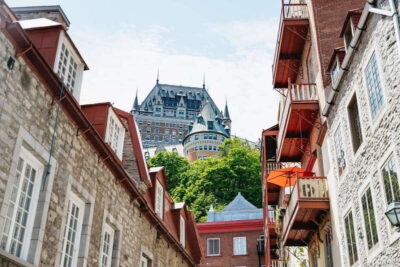
Old Quebec City: Grand Walking Tour with Private Option
Read our review →
Montmorency Falls & Ile d’Orleans Half-Day Tour
Read our review →
Hop-on Hop-off Open-Top Double Decker Bus Tour
Read our review →Browse the lists this tour appears in