
Reviewed · QUEBEC CITY TOURS
Québec City: Saint-Louis-Forts-and-Châteaux visit
Buried beneath Québec City, a lost seat of power waits. I like the archaeological remains and 120-plus artifacts, which turn an empty-looking site into a place you can picture in use. I also like the Huron-Wendat perspective on diplomacy, a welcome addition to the usual governor-and-fort story. The main caution is practical: stairs and uneven access make this a poor choice for wheelchair users or anyone with limited mobility.
This one-hour visit takes you below Dufferin Terrace, where French and British governors directed affairs from 1620 to 1834. You can join a heritage guide or use the downloadable Parks Canada audio tour. The guided option has earned especially warm praise for its lively presentation, while the audio version may feel too theatrical if you prefer plain historical explanation.
In This Review
- Key points to know before you go
- Beneath Dufferin Terrace, Québec City’s hidden foundation
- Seeing the château through its remains
- A seat of power from 1620 to 1834
- The Huron-Wendat view of colonial diplomacy
- Choosing between a live guide and the audio circuit
- What the artifacts reveal about daily life
- Why the one-hour format works
- Is $9 a good value?
- Who should book this visit?
- Final recommendation: book it if you enjoy history with physical evidence
- FAQ
- Where is the Saint-Louis Forts and Châteaux visit?
- How do I find the meeting point?
- How long does the visit last?
- How much does admission cost?
- Is the visit guided or self-guided?
- Which languages are available with a live guide?
- What can I see at the site?
- Is the site accessible to wheelchair users?
- Can I bring food, drinks, luggage, or pets?
- Can I cancel my booking?
Key points to know before you go
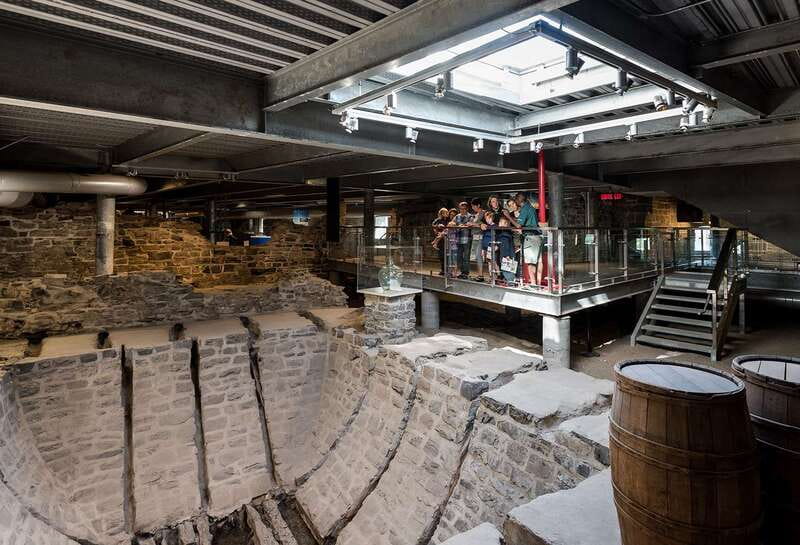
- More than 200 years of power: See the remains of the official residence and governing center used by French and British governors.
- Artifacts beneath Dufferin Terrace: Examine more than 120 objects recovered during archaeological work, including clues about household routines.
- First Nations diplomacy included: A Huron-Wendat Nation exhibition adds an important perspective on alliances with colonial governors.
- One hour, with little time wasted: The compact visit fits neatly into an Old Québec sightseeing day.
- Two ways to experience it: Choose a live guide in English, French, Spanish, German, or Chinese, or follow the downloadable audio circuit.
- Stairs and restrictions matter: Large bags, food, drinks, pets, and bare feet are not allowed, and the site is not suitable for wheelchair users.
Beneath Dufferin Terrace, Québec City’s hidden foundation
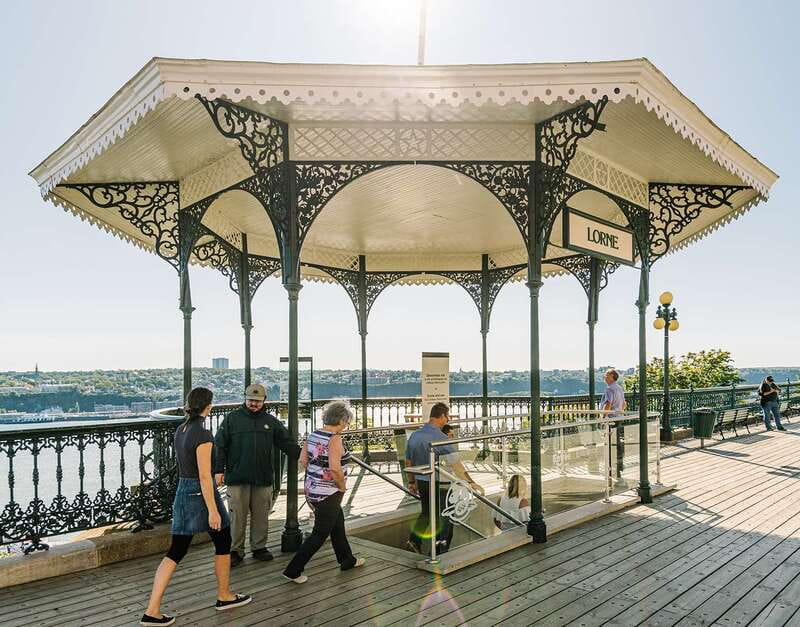
Your meeting point is easy to identify. Look for the Frontenac sign on a green and white kiosk with a Canadian flag at the beginning of Dufferin Terrace. A live guide wears a green and beige uniform, so you should have little trouble finding the right person.
The setting is part of the appeal. Dufferin Terrace gives you views over the St. Lawrence River before you leave the open boardwalk and descend to the remains below. That change in level does more than provide a dramatic entrance. It makes clear that modern Québec City sits directly above layers of earlier buildings, decisions, and daily life.
The Saint-Louis Forts and Châteaux National Historic Site occupies the place where governors lived and worked for more than two centuries. From here, French and British officials handled diplomacy, administration, and major decisions affecting the future of North America.
You are not walking through a complete château. You are seeing remains and archaeological displays. That distinction matters. If you expect furnished rooms, intact walls, and a grand palace interior, you may find the site modest. If you enjoy reading the ground plan and connecting fragments to a larger story, the visit has much more to offer.
More City Tours in Quebec City
- Quebec City Walking Tour
★ 5.0 · 4,716 reviews - Quebec City: Guided Tour of Fairmont Le Château Frontenac
★ 4.7 · 3,027 reviews - Québec City: Guided Sightseeing River Cruise
★ 4.4 · 3,000 reviews
Seeing the château through its remains
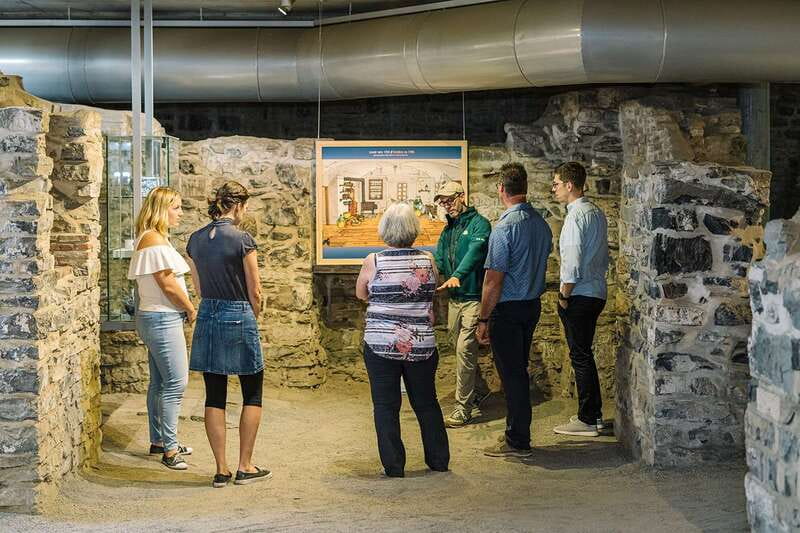
The first major task is learning to read what is underfoot. The remains help you picture the architecture, layout, and changes made over the site’s long lifespan. A visit can make a building that no longer exists feel more understandable, even when only foundations and fragments remain.
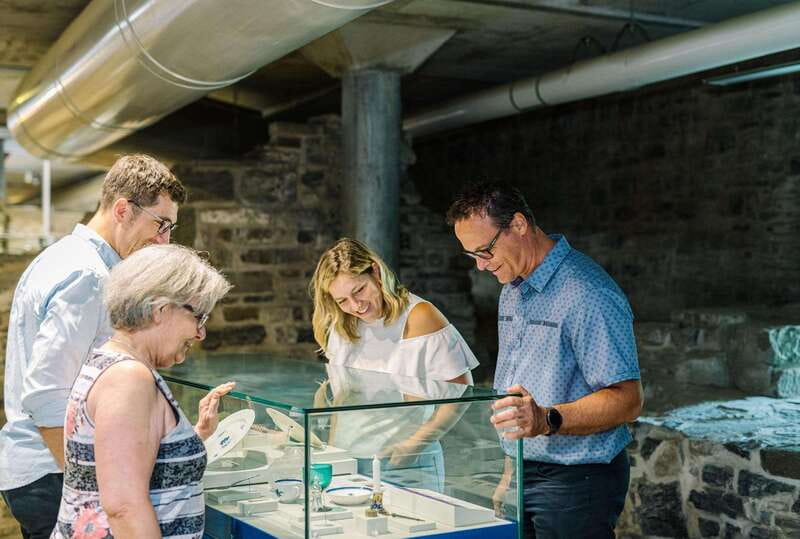
The archaeological work is the bridge between bare stone and lived experience. More than 120 artifacts are displayed, with the collection offering clues about how the château functioned as both a government center and a home. You may find yourself shifting between grand questions of power and small household details.
That contrast is one of the site’s strengths. The governors made diplomatic choices with effects far beyond Québec City, yet the objects also point toward ordinary routines. The collection helps you think about servants, officials, and residents who had to keep this important household running.
One useful feature is the attention to practical objects. The audio circuit raises questions about how an icebox worked, what grooves in the bottom were used for, and why women used bottles of ammonia. These details may seem small beside military and political history, but they are often what make the past easier to imagine.
The architectural story also changes over time. This was not one fixed building preserved unchanged. The tour helps you follow its planning and evolution, giving you a sense of how the site developed during its years as a center of government.
A seat of power from 1620 to 1834
The Saint-Louis Forts and Châteaux site served as the official residence and seat of power for French and British governors between 1620 and 1834. That date range gives the visit real weight. You are not looking at one short chapter, but at a location used across changing governments and political conditions.
The château was the only one erected in Québec City, according to the site’s historical presentation. That makes it more than a footnote in Old Québec. It was a purpose-built residence tied to the city’s role as a colonial capital and administrative center.
The tour connects the physical remains with the decisions made there. Diplomatic choices, official gatherings, and alliances were part of the site’s function. You are encouraged to consider how power worked behind closed doors, not just how forts defended the city.
The lavish events held at the château add another layer. They show the building as a social setting as well as an office. Formal meals, ceremonies, and diplomatic occasions would have helped governors build relationships and display authority.
Still, do not expect every political event to receive a long explanation. The visit lasts about one hour, and the compact format favors a clear overview. It works best as a focused introduction that gives you a stronger sense of what lies beneath the terrace, rather than as a full study of Québec’s colonial government.
The Huron-Wendat view of colonial diplomacy
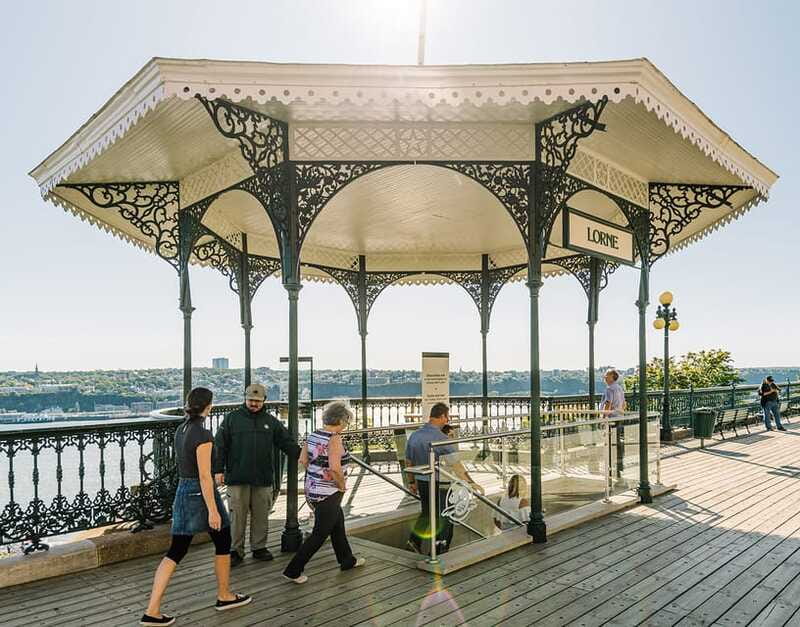
The exhibition presented in collaboration with the Huron-Wendat Nation is one of the most valuable parts of the visit. It looks at diplomatic alliances between the Huron-Wendat Nation and colonial governors from a Huron-Wendat perspective.
That approach changes the balance of the story. Instead of presenting diplomacy only as something colonial officials arranged, it recognizes First Nations leadership, interests, and political relationships. For you, this makes the site’s account more thoughtful and less limited to the actions of governors.
The subject fits the location well. The château was a place where important alliances and political decisions were discussed. Seeing those relationships through a Huron-Wendat lens helps explain that diplomacy involved more than formal meetings inside a governor’s residence.
This exhibition is also useful if you have already visited other historic sites in Old Québec. It adds a perspective that can be missed when a city’s colonial past is told only through European buildings and officials.
A few more tours worth putting side by side
- Half-Day Trip to Montmorency Falls and Ste-Anne-de-Beaupré from Quebec city
★ 4.0 · 2,718 reviews - Old Quebec City: Grand Walking Tour with Private Option
★ 4.8 · 2,609 reviews - Quebec City: Montmorency Falls with Cable Car Ride
★ 4.6 · 2,392 reviews - Quebec City: Montmorency Falls & Ile d’Orleans Half-Day Tour
★ 4.3 · 2,144 reviews
Choosing between a live guide and the audio circuit
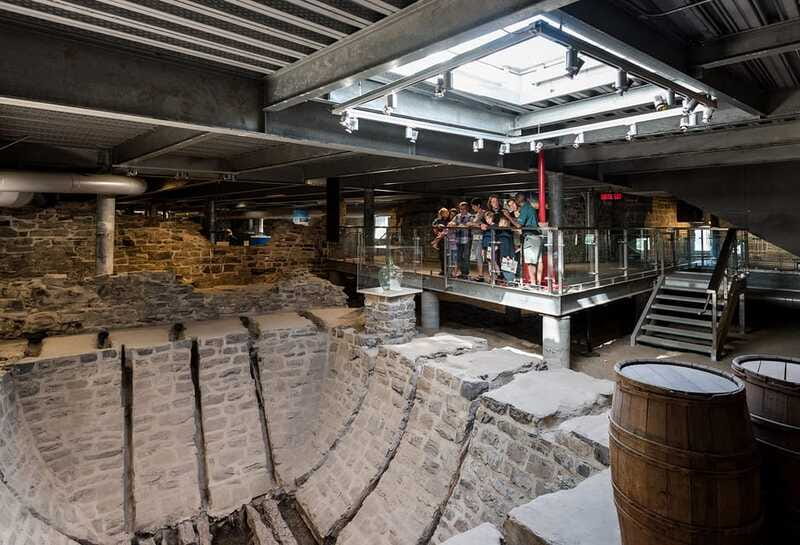
You have two main ways to experience the site. A heritage guide can lead you through the remains, or you can use the downloadable Parks Canada app for a self-guided audio tour.
I would choose the live guide if you enjoy conversation, timing, and a bit of performance. The strongest guide feedback describes an animated and entertaining presentation that makes the information easier to follow. A live guide can also give the site a human rhythm, which is helpful when you are looking at foundations and need someone to explain what you are seeing.
Live tours are offered in English, French, Spanish, German, and Chinese. Check the available starting time and language when you reserve, since the one-hour visit runs at scheduled times.
The audio option gives you more independence. You can move at your own pace and focus longer on an artifact or section that interests you. It is also a sensible choice if you prefer not to stay with a group.
There is one clear warning. The audio circuit sometimes asks you to imagine taking the role of a governor or servant. Some people may find that theatrical approach engaging, while others will prefer direct historical commentary. If you dislike acted narration or audio theatre, the live guide may be the better fit.
The app is downloadable, so make sure you are ready to use your phone before beginning. The supplied information does not specify whether headphones or a separate device are provided, so you should not assume either one.
What the artifacts reveal about daily life
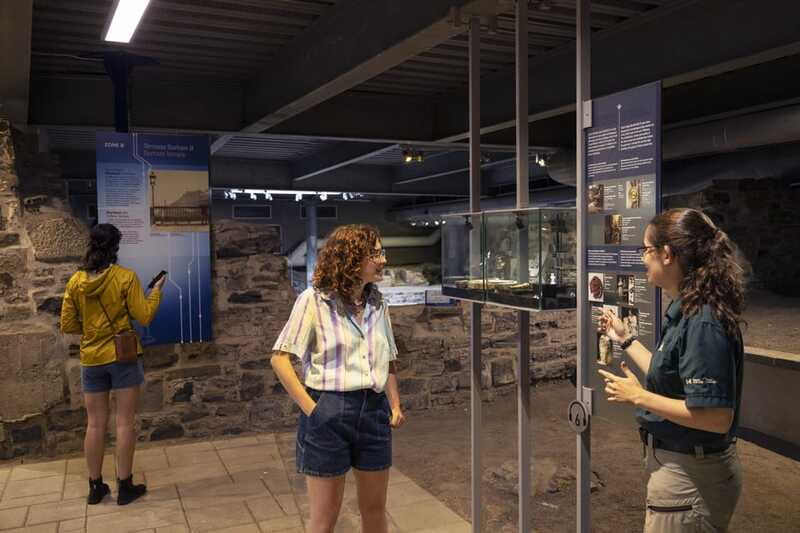
The artifacts are not just decorative objects placed in glass cases. Their value comes from the questions they raise. How did people store food? Which objects needed regular cleaning? What did servants handle each day? How did a grand residence depend on ordinary maintenance?
The icebox is a good example. An object like this connects the official world of governors with the practical problem of preserving food. The grooves found at the bottom also show why close looking matters. A small design feature can explain how an object was used, even if its purpose is not obvious at first.
The bottles of ammonia offer another glimpse of domestic routines. The subject may seem unusual, but it helps move the visit beyond ceremonies and political alliances. You begin to see the château as a working household, not simply a symbolic building.
The collection is especially useful for families and curious first-time visitors because it gives you concrete things to discuss. Children may not remember a long explanation of colonial administration, but they may remember an odd household object and the question of what it did.
You should keep your expectations measured. The material is displayed at an archaeological site, not in a large museum with extensive galleries. The power of the collection comes from its connection to the exact place where the objects were found.
Why the one-hour format works
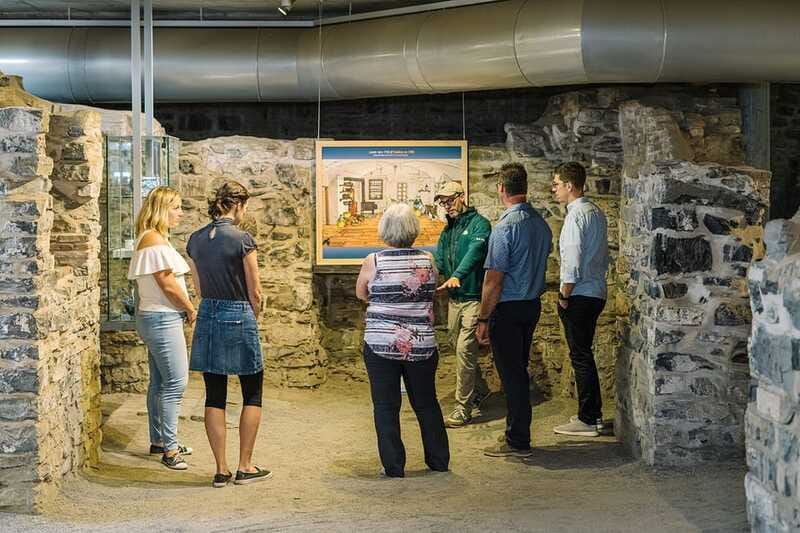
One hour is enough to give the site a proper look without taking over your day in Old Québec. You can combine it with the rest of Dufferin Terrace, Château Frontenac, and nearby historic streets without needing a major schedule adjustment.
The short duration also suits the site itself. The remains and displays reward attention, but you do not need half a day to understand the basic story. A guide can keep the visit moving, while the audio option lets you spend more time on individual details.
I would plan the visit for a day when you are already exploring Old Québec. The meeting point at Dufferin Terrace makes it convenient to add before or after other sightseeing in the area. The river view gives you a pleasant starting point, and the descent below the terrace creates a clear change of scene.
Because food and drinks are not allowed, finish your snack or coffee before entering. Large bags and luggage are also prohibited, so this is not a convenient stop if you are carrying suitcases or a full daypack.
Pets are not allowed, although assistance dogs are permitted. Bare feet are also prohibited, a small rule that is easy to follow but worth noting if you are spending a summer day in sandals.
Is $9 a good value?
At $9 per person, this is a reasonably priced way to add a substantial historical stop to your Québec City visit. The value comes from three things: access to the archaeological remains, the artifact display, and the explanation of the site’s political role.
The price is particularly fair if you choose the live guide and want a clear introduction to the château’s architecture, government, and diplomacy. You are paying for access to a historic place that is not visible from the terrace above, along with interpretation that helps you understand it.
The value is less certain if you want a large, fully restored building. There is no intact château interior to walk through, and the visit depends on your willingness to imagine the structures from their remains. In that case, you might prefer to spend more time enjoying Québec City’s visible streets and buildings.
For history-minded visitors, families, and anyone interested in archaeology, the cost is easy to justify. It is also a good choice when you want a short activity that adds depth to a walk through Old Québec without committing to a long museum visit.
Who should book this visit?
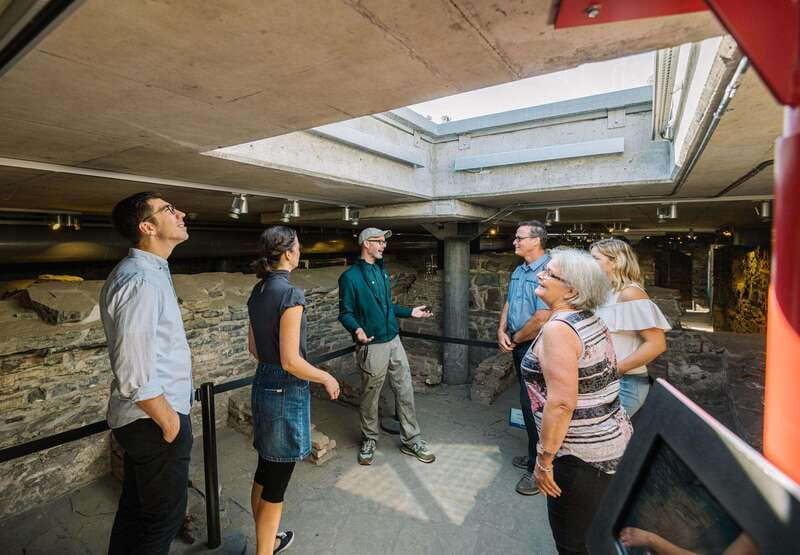
I would recommend it to you if you like places where the evidence is partial but meaningful. The site asks you to picture vanished rooms, changing floor plans, official gatherings, and daily chores from foundations and objects.
It suits adults who want more context for Québec City’s colonial past, and families who respond well to practical questions about household life. The Huron-Wendat exhibition makes it a stronger choice for anyone seeking a wider account of diplomacy and colonial relationships.
Choose the guided option if you want an animated explanation and dislike audio theatre. Choose the self-guided route if you prefer to control your pace and investigate the artifacts independently.
This is not the right pick for you if stairs are difficult, if you use a wheelchair, or if you need a spacious museum environment. It is also less suitable if your main interest is a complete, furnished château. The site offers foundations, artifacts, and interpretation, not an intact royal residence.
Parks Canada offers free cancellation up to 24 hours in advance, and you can reserve now while paying later. Canadian Armed Forces members, Canadian veterans, and their immediate families can receive daily free admission at Parks Canada sites with the specified Platinum Une FC or veteran service card, though the guided tour is not included.
Final recommendation: book it if you enjoy history with physical evidence
Book the Saint-Louis Forts and Châteaux visit if you want to understand what once occupied the ground beneath Dufferin Terrace. The combination of archaeological remains, more than 120 artifacts, governor’s history, and Huron-Wendat diplomacy gives the hour real substance.
My strongest advice is to take the live tour when the timing and language suit you. A lively guide can make the architectural changes and political story easier to picture. If you prefer independence, download the Parks Canada app, but be prepared for role-playing sections that may feel more like audio theatre than a standard museum narration.
At $9, this is a compact and worthwhile addition to an Old Québec day. Just arrive without large bags, allow for stairs, and choose it for the stories beneath the terrace rather than the promise of a fully restored château.
FAQ
Where is the Saint-Louis Forts and Châteaux visit?
The site is beneath Dufferin Terrace in Old Québec, near the beginning of the terrace boardwalk.
How do I find the meeting point?
Look for a green and white kiosk with a Canadian flag and a Frontenac sign at the beginning of Dufferin Terrace. A live guide wears a green and beige uniform.
How long does the visit last?
The visit lasts about one hour.
How much does admission cost?
The listed price is $9 per person.
Is the visit guided or self-guided?
You can join an on-site heritage guide or use the downloadable Parks Canada app for a self-guided audio tour.
Which languages are available with a live guide?
Live tours are available in English, French, Spanish, German, and Chinese.
What can I see at the site?
You can see the remains of Château Saint-Louis, more than 120 archaeological artifacts, and an exhibition about Huron-Wendat diplomatic alliances with colonial governors.
Is the site accessible to wheelchair users?
No. The visit is not suitable for wheelchair users or people with mobility impairments.
Can I bring food, drinks, luggage, or pets?
Food and drinks, luggage or large bags, and pets are not allowed. Assistance dogs are permitted.
Can I cancel my booking?
Yes. You can cancel up to 24 hours in advance for a full refund. You can also reserve now and pay later.
Newest reviews from Quebec City
- YQB Airport Transfer★ 5.0 · 41 reviews
- Immersion Quebec: Virtual Reality Experience of Quebec City’s History★ 4.5 · 51 reviews
- Quebec City – Regular Bike Rental on Ile d’Orléans★ 4.6 · 52 reviews
- Snowshoeing Tour in Jacques-Cartier National Park★ 5.0 · 55 reviews
- Québec: Fortifications-of-Québec Guided Walking Tour★ 4.7 · 60 reviews
- Christmas Magic in Old Quebec★ 4.5 · 61 reviews
- Quebec City: MNBAQ National Fine Arts Museum Entry Ticket★ 4.6 · 63 reviews
- Quebec: City Tour, Montmorency Falls & Île d’Orléans Tour★ 4.5 · 68 reviews
Quebec City Tours, compared.



Half-Day Trip to Montmorency Falls and Ste-Anne-de-Beaupré from Quebec city
Read our review →
Old Quebec City: Grand Walking Tour with Private Option
Read our review →

Montmorency Falls & Ile d’Orleans Half-Day Tour
Read our review →
Hop-on Hop-off Open-Top Double Decker Bus Tour
Read our review →Browse the lists this tour appears in