
Reviewed · QUEBEC CITY TOURS
Quebec City: Observatoire de la Capitale Entry Ticket
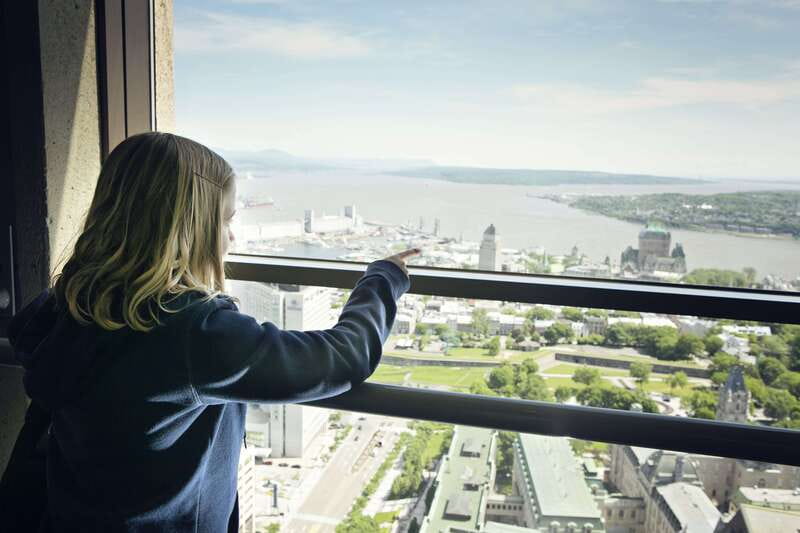
Look down, and Quebec City makes sense. I like the 360-degree views of the fortified city, the St. Lawrence River, and the mountain ranges, and I like how interactive screens turn distant landmarks into clear pieces of the city’s story. The main consideration is language: the listed host speaks French, so English-speaking visitors should check what support is available when booking.
At $10 per person, this is an easy way to get your bearings before exploring Quebec City at street level. I would plan enough time to enjoy the panorama and the Horizons discovery trail, since rushing through the historical displays would miss much of the point.
In This Review
- Key points at a glance
- Why the 31st floor is a smart first stop
- Four views that help you read the city
- Interactive screens turn sightseeing into orientation
- Following the Horizons discovery trail
- A self-guided visit with room for your own pace
- The best time to visit for changing views
- Who will get the most from this ticket
- Value, practical details, and the small drawbacks
- Should you book the Observatoire de la Capitale?
- FAQ
- Where is the Observatoire de la Capitale?
- How much does admission cost?
- How long is the ticket valid?
- Is reservation required?
- Can I cancel the booking?
- Can I reserve now and pay later?
- Is the experience wheelchair accessible?
- What language is available?
- Is this a guided tour?
- Are pets allowed?
- How many people are in the group?
Key points at a glance
- The 31st floor gives you Quebec City from above: Look across the fortified center, the St. Lawrence River, and the two mountain ranges from the city’s highest viewpoint.
- Interactive screens identify what you see: Tap landmarks on displays that match the view, then read facts about buildings and important places.
- Horizons adds a historical layer: The discovery trail connects the city’s appearance with Quebec’s identity and the forces that shaped it.
- You control the pace: This is a self-guided visit, with headsets and screens available according to the experience format.
- Late afternoon can be especially rewarding: You may see the city in daylight and later watch holiday lights appear, depending on the season and your timing.
- The ticket is modestly priced: At $10, it offers a useful orientation to Quebec City without taking up a full day.
Why the 31st floor is a smart first stop
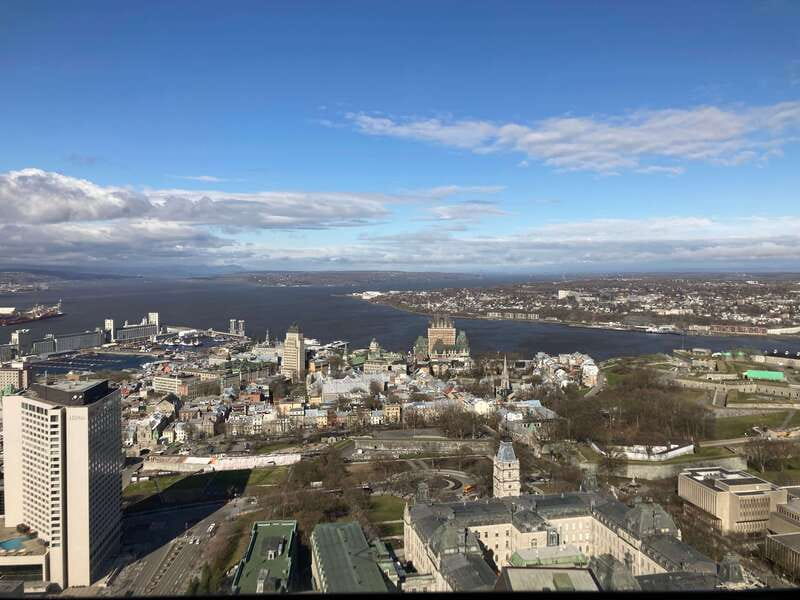
Quebec City is beautiful at street level, but its layout can take time to understand. From the Observatoire de la Capitale, the streets, fortifications, river, and surrounding mountains fall into one broad view. I find that kind of overview especially useful early in a visit, before individual landmarks start blending together.
You reach the experience on the 31st floor of the building. The key appeal is simple: this is described as Quebec’s highest and most beautiful viewpoint, giving you a broad panorama rather than a close view of one monument.
From above, you can study the maze of streets below and see how the city relates to the St. Lawrence River. On a clear day, the Laurentian Mountains are visible as well. Weather matters here. One visitor still found the panorama impressive in unpleasant conditions, but haze, cloud, or rain can reduce the distance you can see.
That makes the observatory a good choice in almost any weather, but a particularly strong one on a clear day. Even when the far views fade, the indoor historical material gives you something useful to do.
More City Tours in Quebec City
- Quebec City Walking Tour
★ 5.0 · 4,716 reviews - Quebec City: Guided Tour of Fairmont Le Château Frontenac
★ 4.7 · 3,027 reviews - Québec City: Guided Sightseeing River Cruise
★ 4.4 · 3,000 reviews
Four views that help you read the city
The observation area presents several different angles across Quebec City. One account described four attractive views, which is a helpful way to think about the visit. You are not simply looking through one window at one postcard scene. You can shift your attention across the city and compare different parts of the panorama.
The fortified city is the main visual subject. From above, the defensive layout and tightly packed streets become easier to grasp. At ground level, Quebec’s older center can feel like a collection of charming lanes and stone buildings. From this height, you get a clearer sense of how the pieces fit together.
The St. Lawrence River supplies the broadest visual sweep. Its presence explains much about Quebec City’s location and importance, and the elevated view lets you follow its relationship to the built-up areas below.
The mountain views add depth beyond the city itself. The Laurentian range may be visible in good conditions, along with another mountain range named in the experience description. I would not treat the distant view as guaranteed, but it is one of the rewards of visiting on a clear day.
The best part is that the view is not left unexplained. Landmark screens help you match what you see with the buildings and places you are trying to identify.
Interactive screens turn sightseeing into orientation
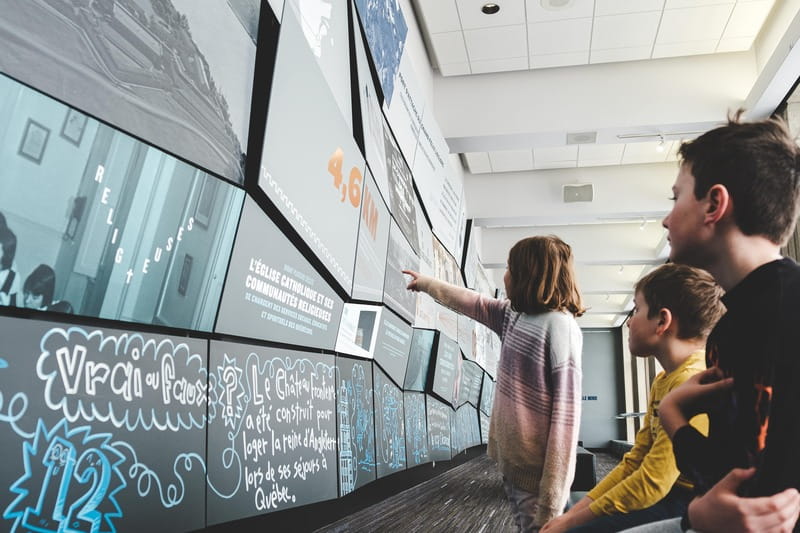
I like the observatory most when the displays are used as a practical tool, not just decoration. The screens mimic the view in front of you, allowing you to select landmarks and read explanations. That solves a common problem at viewpoints: you can see plenty, but you may not know what you are looking at.
You might point toward a building, tap the matching place on the screen, and get historical facts or background about it. This gives the skyline a useful layer of meaning. Afterward, places you visit at street level should be easier to recognize.
The technology also suits different styles of sightseeing. You can spend a few minutes scanning the major landmarks, or pause longer at subjects that interest you. The displays are reported to include bilingual information, with Spanish also available on the interactive screens. The activity information lists French for the host or greeter, so I would still confirm your language needs before arrival.
Headsets are part of the self-guided format described by one visitor. Another preferred to visit without audio and still found the signs and kiosks informative. That flexibility is a plus. You are not locked into one pace or forced to listen to every section.
Still, self-guided interpretation requires a little initiative. If you prefer a guide to lead you from point to point, explain the context aloud, and answer questions as you go, this may feel less personal. The strength here is control rather than live narration.
Following the Horizons discovery trail

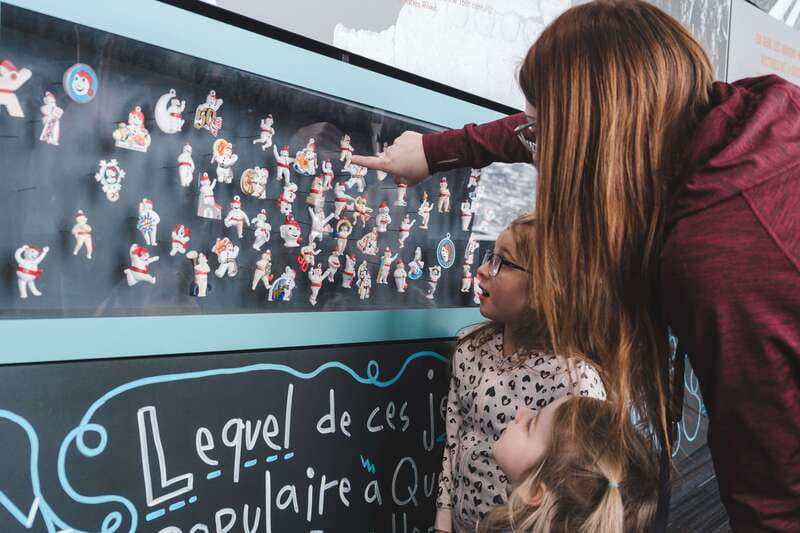
The Horizons trail is the historical heart of the visit. Its goal is not simply to name buildings. It takes you through a sequence of historical vignettes about Quebec’s capital and the identity of the people who live there.
The format is described as lucid and rhythmic, suggesting a series of connected scenes rather than one long lecture. That matters because history presented in short sections is easier to absorb while you are also looking out at the city.
I would pay attention to how the trail links place and identity. The displays explore what shaped Quebec and the sources of Quebec identity, giving the view a cultural frame. You are not just looking at rooftops, a river, and hills. You are considering why this city developed as it did and what has shaped its character.
The experience also aims to work for both young and older visitors. Interactive elements should help younger family members stay involved, while the historical material gives adults more context. That said, one piece of feedback called for better videos, longer films, and more history. If you prefer long-form museum exhibits, the presentation may feel brief.
I see that as a matter of expectations rather than a major flaw. This is an observation experience with historical interpretation, not a full museum day. The view remains the anchor, and the trail gives that view meaning.
A few more tours worth putting side by side
- Half-Day Trip to Montmorency Falls and Ste-Anne-de-Beaupré from Quebec city
★ 4.0 · 2,718 reviews - Old Quebec City: Grand Walking Tour with Private Option
★ 4.8 · 2,609 reviews - Quebec City: Montmorency Falls with Cable Car Ride
★ 4.6 · 2,392 reviews - Quebec City: Montmorency Falls & Ile d’Orleans Half-Day Tour
★ 4.3 · 2,144 reviews
A self-guided visit with room for your own pace
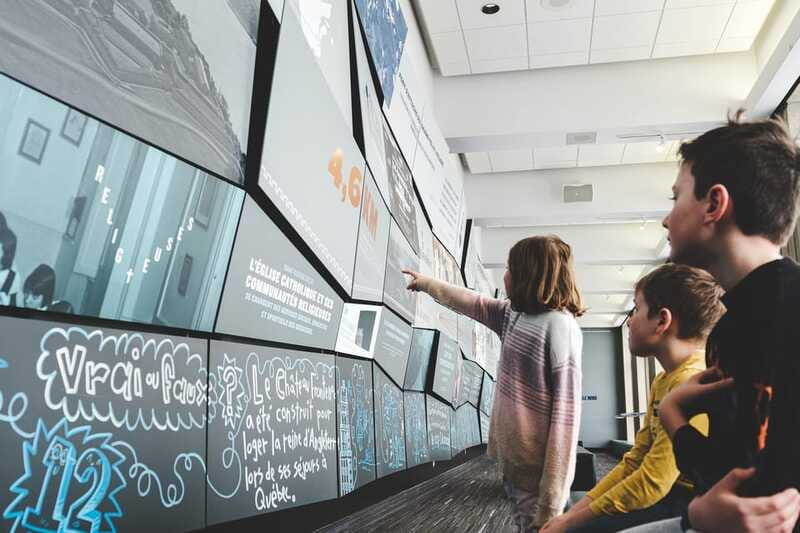
The visit is self-guided, which makes the timing flexible during the valid one-day period. You can linger over the panorama, move quickly through familiar material, or focus on the interactive landmarks that interest you most.
The experience has a small-group limit of 10 participants. That can help keep the space calmer than a large organized tour, although the visit itself still depends on the observatory’s public setting and available capacity.
You should reserve in advance because reservations are required. The ticket costs $10 per person, and that price is easy to justify if you want a city overview, some historical interpretation, and an indoor activity in one stop.
I would not compare the ticket with a full guided tour. You are paying for access to the viewpoint and its displays, not for a long personal lecture or transportation around Quebec City. For a modest price, the combination is strong, especially if you use the screens carefully instead of treating the stop as a quick photo break.
The ticket is valid for one day, but the supplied information does not give a fixed visit length. I would avoid scheduling another major activity too tightly against it. Give yourself time to look out from more than one angle and follow the Horizons material without watching the clock.
The best time to visit for changing views

Late afternoon can give the visit extra appeal. If your timing lines up with sunset and the holiday season, you might see Quebec City in daylight and then watch the lights come on. One visit in early December used that timing to enjoy both versions of the city.
That is not a guaranteed feature of every visit. It depends on the season, daylight hours, weather, and opening times shown when you reserve. Still, the suggestion is useful: an afternoon entry can give you a changing panorama rather than one fixed moment.
Clear weather is the obvious choice for the mountain ranges and long river views. Poor weather does not make the visit pointless, since the indoor historical material remains available, but you should set your expectations accordingly.
If the forecast is uncertain, the observatory has an advantage over an outdoor-only viewpoint. You can still learn about the city and use the displays even when the distant panorama is softened by weather.
Who will get the most from this ticket

I would recommend this experience to first-time visitors who want a quick mental map of Quebec City. The ability to identify places on interactive screens makes the rest of your sightseeing more rewarding.
Families may also like the mix of screens, visual discovery, and short historical sections. The format gives children something to do while adults take in the city’s story. It is also useful for anyone who enjoys learning through images rather than reading long panels.
The ticket fits visitors who prefer independent sightseeing. You can use the headset if you want it, skip audio if you do not, and choose which landmarks deserve your attention.
It may be less satisfying for you if you want a fully guided experience in English or another language. The listed host language is French, even though the information describes bilingual material and a visitor reported staff and facts in both French and English, with Spanish available on interactive screens. Confirm before booking if language access is important.
It is also not a pet-friendly stop. Pets are not allowed, so plan accordingly.
The observatory is wheelchair accessible, which makes the high viewpoint and interpretation available to visitors who need an accessible venue. The provided information does not describe every accessibility detail, so you may want to ask the provider about specific needs before arrival.
Value, practical details, and the small drawbacks

The strongest value comes from the combination of three things: a high viewpoint, landmark identification, and a focused introduction to Quebec’s past and identity. Any one of these might be useful on its own, but together they make the $10 ticket feel purposeful.
The main drawback is that the content may not satisfy you if you want extended films or a long, detailed historical presentation. The visit gives you a clear introduction, but one piece of feedback specifically asked for better videos, longer movies, and more history.
The second consideration is language. The host or greeter is listed as French. The interactive material appears more flexible, and English support has been reported, but that should not be treated as a guarantee for every part of the visit.
The third is weather. A cloudy or rainy day can reduce the grand scale of the outdoor panorama. Even so, the indoor displays and historical trail keep the ticket useful.
Free cancellation is available up to 24 hours before the visit for a full refund. You can also reserve now and pay later, which helps if your Quebec City schedule is still changing. These policies add flexibility, but you still need a reservation.
Should you book the Observatoire de la Capitale?

Book it if you want a reasonably priced overview of Quebec City, especially early in your stay. The city views and landmark screens are the biggest reasons to go, while the Horizons trail adds a thoughtful introduction to Quebec identity and history.
I would choose a clear afternoon if possible, with enough time to see the city in daylight. If you are visiting during the holiday season, a later slot may give you both daytime views and evening lights.
Skip it only if you want a fully guided, long-form history tour or if your schedule allows no time for a self-guided stop. For most people, $10 buys a useful orientation, a memorable panorama, and a better understanding of what they will see at street level.
FAQ
Where is the Observatoire de la Capitale?
The experience takes place in Quebec City, and you should reach the 31st floor of the building for entry.
How much does admission cost?
The entry ticket costs $10 per person.
How long is the ticket valid?
The ticket is valid for one day. Starting times and availability should be checked when you reserve.
Is reservation required?
Yes. You need a reservation to visit.
Can I cancel the booking?
You can cancel up to 24 hours in advance for a full refund.
Can I reserve now and pay later?
Yes. The reserve now and pay later option lets you book your place without paying immediately.
Is the experience wheelchair accessible?
Yes. The activity is listed as wheelchair accessible.
What language is available?
The host or greeter is listed as French. The information also includes reports of bilingual staff and facts, while the interactive screens have French, English, and Spanish options according to the supplied details.
Is this a guided tour?
No. The visit is self-guided, with historical displays, interactive screens, and headsets available as part of the experience format.
Are pets allowed?
No. Pets are not allowed.
How many people are in the group?
The activity is listed as a small group with a limit of 10 participants.
Newest reviews from Quebec City
- YQB Airport Transfer★ 5.0 · 41 reviews
- Immersion Quebec: Virtual Reality Experience of Quebec City’s History★ 4.5 · 51 reviews
- Quebec City – Regular Bike Rental on Ile d’Orléans★ 4.6 · 52 reviews
- Snowshoeing Tour in Jacques-Cartier National Park★ 5.0 · 55 reviews
- Québec: Fortifications-of-Québec Guided Walking Tour★ 4.7 · 60 reviews
- Christmas Magic in Old Quebec★ 4.5 · 61 reviews
- Quebec City: MNBAQ National Fine Arts Museum Entry Ticket★ 4.6 · 63 reviews
- Quebec: City Tour, Montmorency Falls & Île d’Orléans Tour★ 4.5 · 68 reviews
Quebec City Tours, compared.


Half-Day Trip to Montmorency Falls and Ste-Anne-de-Beaupré from Quebec city
Read our review →
Old Quebec City: Grand Walking Tour with Private Option
Read our review →

Montmorency Falls & Ile d’Orleans Half-Day Tour
Read our review →
Hop-on Hop-off Open-Top Double Decker Bus Tour
Read our review →Browse the lists this tour appears in