
Reviewed · JASPER TOURS
Jasper: Jasper Planetarium Dark Sky Experience
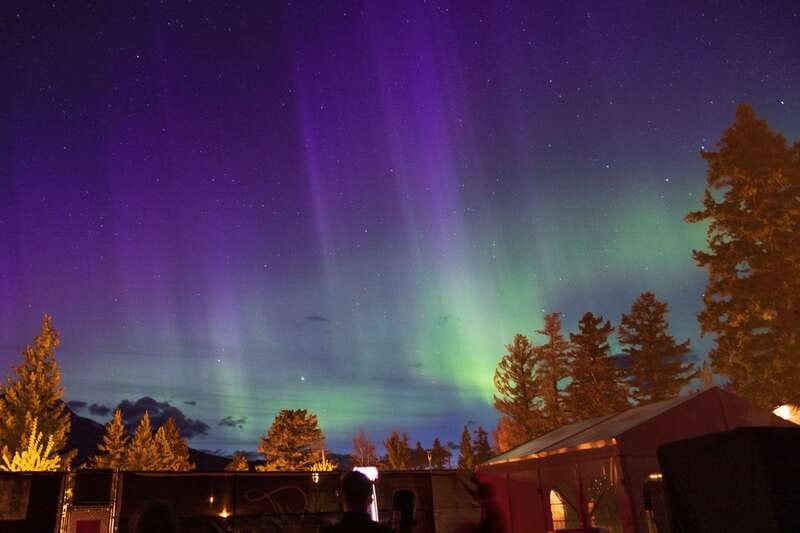
The Rockies look different after dark. Jasper Planetarium’s three-hour evening combines a dome theatre, telescope viewing, laser-guided constellations, and binoculars aimed at the Milky Way and deep-space objects. I like the mix of indoor and outdoor astronomy, and I especially like the chance to learn about local Indigenous constellations. The main catch is weather: clouds can limit the telescope and dark-sky portions, even though a generous rain-check policy helps soften that risk.
This is the planetarium’s fullest program, priced at $102 per person. That is not a small add-on to your Jasper trip, but you receive several separate activities, equipment to use, free parking, and live instruction in English. I would book it for families, curious first-time stargazers, and anyone who wants structure instead of simply standing outside hoping to spot a constellation.
In This Review
- Key points before you book
- What the $102 Jasper Planetarium tour includes
- Check in at Jasper Park Lodge
- The dome theatre makes space easier to understand
- Telescope viewing: the best reason to hope for clear skies
- The 480-metre walk to a darker site
- Laser-guided constellations and Indigenous sky stories
- Binoculars turn the Milky Way into a group project
- Weather is the deciding factor
- Who will enjoy this Jasper evening
- How the experience compares with independent stargazing
- Small practical details that matter
- Should you book the Jasper Planetarium Dark Sky Experience?
- FAQ
- Where does the Jasper Planetarium tour meet?
- How early should I arrive?
- How long does the experience last?
- What happens during the tour?
- Are children allowed?
- What happens if the weather is cloudy?
- Can I cancel my booking?
Key points before you book
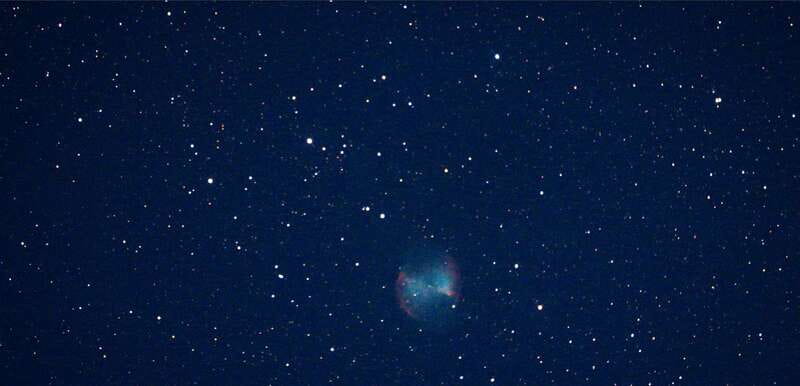
- Three astronomy activities in one evening: Start in the Planetarium Dome Theatre, continue with optical telescope viewing, then walk about 480 metres to a selected dark-sky site.
- Cloud cover changes the value: The indoor program can continue in poor weather, but stars, telescopes, and the binocular walk depend on clear conditions.
- You use supplied binoculars: Guides help you find the Milky Way and deep-space objects rather than leaving you to search the sky alone.
- Local Indigenous astronomy is included: The constellation presentation adds a regional and cultural perspective beyond the usual Greek and Roman star stories.
- Check in 15 minutes early: The meeting point is the Planetarium Retail Desk inside the Main Lodge at Jasper Park Lodge, not at an outdoor viewing area.
- A two-year rain-check protects your booking: Any part of the tour that is not clear on your first visit can be revisited without an added charge.
What the $102 Jasper Planetarium tour includes
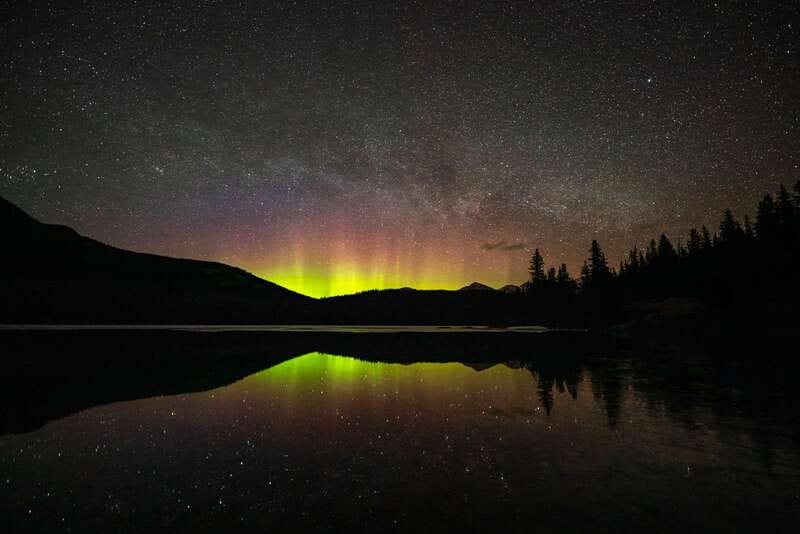
At $102, this is best understood as a full evening program rather than a quick planetarium show. You are paying for a live guide, the dome theatre, optical telescope access, binocular use, and a guided walk to a darker viewing location.
That package can make sense if you value explanation and organized viewing. A self-guided night outside costs less, of course, but you would need to know what you are looking at and bring your own equipment. Here, the guides point out targets and explain how to find them.
The price feels less convincing on a cloudy night, especially if your main goal is a close look through a large telescope. The indoor presentations still provide something to do, and the two-year rain-check is unusually helpful, but you may need to return to Jasper to receive the full value.
A few more tours worth putting side by side
- Jasper: Columbia Icefield Skywalk and Ice Explorer Ticket
★ 4.6 · 2,444 reviews - Jasper National Park: Maligne Lake Cruise With Guide
★ 4.7 · 896 reviews - Jasper Evening Wildlife Tour
★ 4.5 · 710 reviews
Check in at Jasper Park Lodge
Plan to arrive at least 15 minutes before departure. Go into the Main Lodge at Jasper Park Lodge, walk straight past the front desk, and find the Planetarium Retail Desk in the southwest corner of the lobby, directly across from the Emerald Lounge.
This detail matters. The program has a firm late-arrival rule because people moving in and out can interrupt the dome show and guided sessions. If you miss the start, you will be moved to the next available tour, and that could be on another day.
If you drive to Jasper Park Lodge, you can use any available space in parking lots P2, P3, or P4. P2 is the closest to the Planetarium. Give yourself time to park and walk into the lodge, especially during a busy evening.
The tour is conducted in English. Food and drinks are not included, and food, drinks, smoking, vaping, alcohol, drugs, and intoxication are not allowed during the activity. Bring weather-appropriate clothing, even if the evening begins indoors.
The dome theatre makes space easier to understand
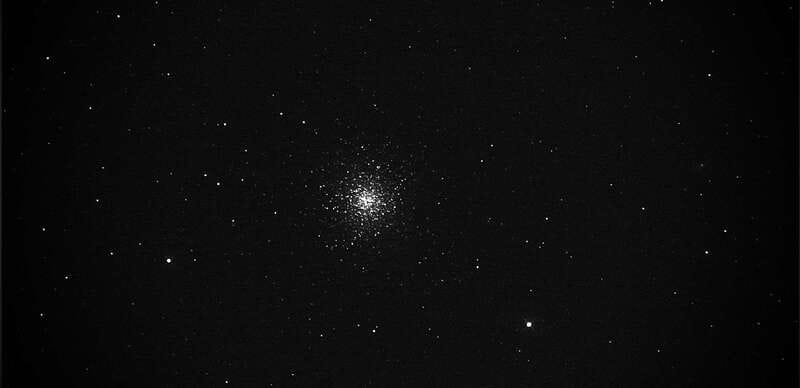
The first major section takes place in the Planetarium Dome Theatre. A dome gives the astronomy team a controlled way to show planets, nebulas, constellations, and other objects that may be difficult to see in real time.
That indoor start has real value in Jasper. Mountain weather can shift quickly, and a clear afternoon does not promise a clear night. The dome lets the guides introduce the night sky without waiting for clouds to move.
The format also works well for families. The program is built to be interactive, with questions encouraged and guides explaining ideas in an approachable way. One family reported that the team kept the learning fun and gave the same energy to a small group of four as they would to a larger audience.
The dome is not likely to satisfy an astronomy expert who already knows the basic planets and constellations. One attendee found this portion fairly familiar. I would treat it as a clear introduction and a useful warm-up for the outdoor work, not as a university-level astronomy lecture.
There is no photography inside the dome, and audio recording is not permitted. Children under four cannot enter the Planetarium Dome Theatre, so this is not a suitable choice for families with toddlers who would need to stay together throughout the program.
Telescope viewing: the best reason to hope for clear skies
After the dome presentation, the program moves to the telescope portion. You get access to optical telescopes, and the team may also demonstrate video telescopes. The aim is to show you planets, stars, or other visible targets with more detail than you can see with your eyes alone.
This section received strong praise for the range of optical and video equipment demonstrated. It is also where expectations need careful handling. Telescope viewing is controlled by clouds, haze, visibility, and the position of objects in the sky. A large telescope cannot create a sharp image through a cloud bank.
One attendee expected a very large telescope but ended up looking through a smaller instrument that offered little definition. That complaint points to an important practical issue: the exact telescope experience can vary with conditions and the targets available that night. The program includes telescope access, but it does not guarantee a particular object, magnification, or size of instrument.
The provider’s two-year rain-check covers parts of the tour that are not clear. If the telescopes cannot be used properly, you can return without paying again for that portion. Ask the staff how the rain-check is being applied before you leave, particularly if clouds affect only the outdoor viewing.
I would not book this program with the assumption that you will see a spectacular close-up of Saturn or a sharply detailed nebula. Book it expecting a guided attempt to view the sky through professional equipment. On a clear night, that can be very rewarding. On a poor night, it may be mainly a demonstration.
A completely different kind of day out on the same trip:
- Jasper National Park: Evening or Morning Wildlife Watch Tour
★ 4.6 · 691 reviews - Jasper Wildlife & Sightseeing Tour with Maligne Lake Cruise
★ 5.0 · 603 reviews - Jasper SkyTram Roundtrip Flight Ticket
★ 4.7 · 567 reviews - Maligne Lake Cruise
★ 4.5 · 502 reviews
The 480-metre walk to a darker site
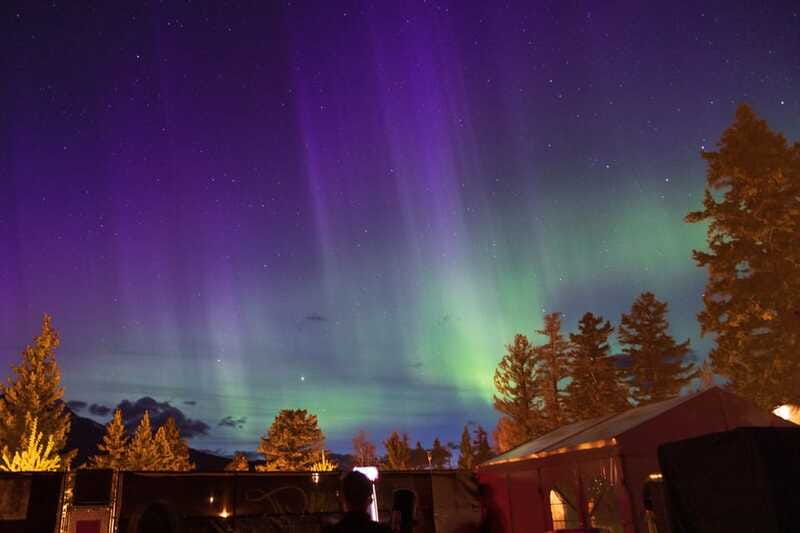
At some point, a dark-sky guide makes an announcement and leads the group to a specially selected site about 480 metres away. That is a short walk, but you are outside at night, so sturdy footwear and warm layers are sensible.
The move away from the lodge matters because artificial light makes it harder to see faint stars. Jasper is part of a celebrated dark-sky region, and the point of this section is to let your eyes work with less interference from nearby lighting.
The exact outdoor setup may not feel as polished as the name Planetarium suggests. One attendee described the operation as being set up in a tent in a parking-lot area and felt that did not match expectations. Conditions and setup can affect how grand the evening feels, so I would keep your expectations focused on the guides and the sky rather than on a grand permanent observatory building.
Mobility is another concern. The program is not recommended for people with mobility impairments. The walk is only approximately 480 metres, but the activity also involves standing outdoors and moving between several parts of the program. Unaccompanied minors are not permitted.
Laser-guided constellations and Indigenous sky stories
At the dark-sky site, the guide uses a laser to trace naked-eye constellations. This is one of the most useful ways to learn the sky because you see the patterns in their actual positions rather than on a flat chart.
You will be shown how to recognize objects without equipment. That skill stays with you after the tour. Even if you forget the technical details, you may leave able to identify a few major patterns and orient yourself more confidently on another clear night.
The local Indigenous constellation material adds something that many astronomy programs omit. It reminds you that people have read meaning into the same stars in different ways, and that the night sky is connected to place, culture, and storytelling. The supplied details do not identify the specific Indigenous nations or constellation names, so you should ask your guide for that context if it matters to you.
This is also the part most affected by clouds. If the sky is covered, a laser cannot reveal stars that your eyes cannot see. A guide can still explain the subject, but it will not have the same force as seeing the pattern above you.
Binoculars turn the Milky Way into a group project
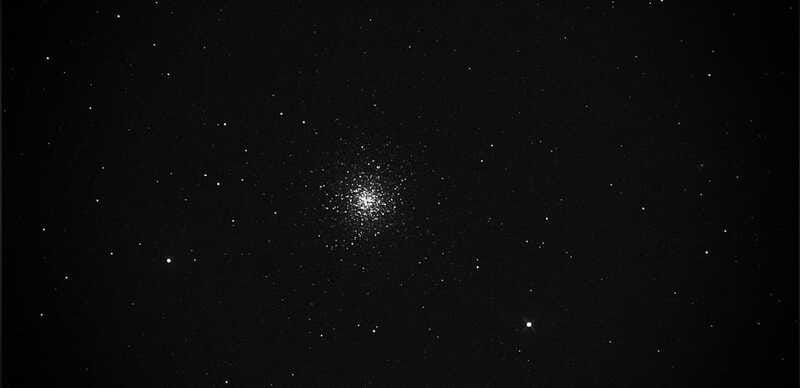
The tour supplies binoculars for a guided learn together session. Rather than passing around one telescope and waiting for a turn, the group can use binoculars at the same time while the guide directs everyone toward the Milky Way and selected deep-space objects.
That design is particularly good for families and small groups. You can look up, adjust your view, and compare what you see with the people beside you. Binoculars are also less intimidating than a telescope for beginners.
Do not expect binoculars to show every object in dramatic detail. Their strength is the wider field of view and the sense of scanning the sky yourself. The guide’s directions are important because many faint objects are not obvious at first glance.
If weather permits, the sequence includes telescope viewing followed by the constellation and binocular sections. That order gives the evening a nice rhythm: first learn the broad picture, then use instruments, then find objects for yourself. Cloud cover can interrupt that sequence or remove the outdoor portions altogether.
Weather is the deciding factor
The biggest question is not age, astronomy experience, or even the price. It is the forecast.
Cloudy conditions can prevent clear telescope viewing, hide the constellations, and make the binocular session impossible. The dome and talks can continue, but they are not a substitute if your priority is seeing the real sky.
A generous two-year rain-check is included for any part of the tour that is not clear on your visit. That is a major advantage for people staying in Jasper long enough to return, or for those planning another visit to the area. It is less useful if you are passing through once and will not be back within two years.
The cancellation policy also gives you some flexibility. You can cancel for a full refund up to 24 hours before the tour. Within 24 hours, a refund is not provided, but you can change to another time. Check the forecast before the deadline, but remember that mountain weather forecasts are not perfect.
I would call the provider before departure if the sky looks poor and you are unsure how much of the outdoor program is likely to run. One disappointed attendee felt the tour should have been canceled when clouds were already expected. That experience shows why clear communication matters.
Who will enjoy this Jasper evening
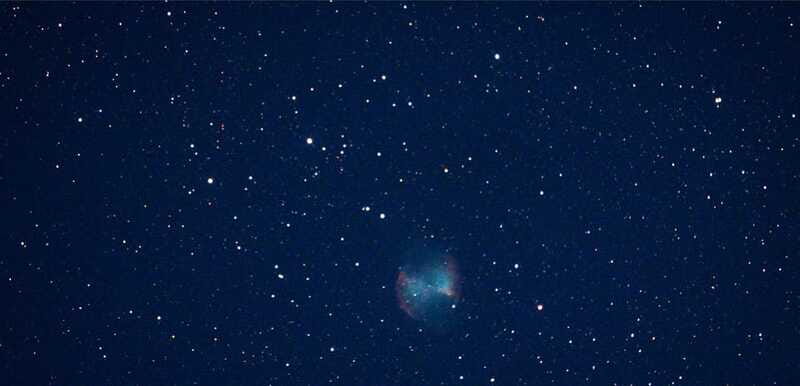
I think this tour suits:
- Families with children aged four and older
- Couples who want a guided introduction to astronomy
- First-time telescope users
- People interested in local Indigenous sky knowledge
- Visitors who can return to Jasper if weather blocks the outdoor sections
- Anyone who prefers a planned activity to independent stargazing
It may not suit you if you already know the basics and want advanced astronomy instruction. It is also a weak choice if you have only one night in Jasper and clear skies are unlikely.
The program is open to all ages except children under four in the dome. Since the evening lasts three hours, consider bedtime and attention spans before bringing young children. The friendly teaching style helps, but this is still a late, structured activity rather than a quick family stop.
How the experience compares with independent stargazing
Jasper’s night sky can be impressive without a paid tour. You can look up from a dark outdoor spot on your own and spend nothing on admission. That approach gives you freedom, but it does not give you a trained guide, supplied binoculars, a dome introduction, or access to optical telescopes.
The Planetarium program earns its price through interpretation. You are not simply being transported to a viewpoint. You are taught what to look for and given several ways to see it.
The tradeoff is less independence and less certainty. You follow the group schedule, cannot arrive late, cannot bring food or drinks, and may receive an abbreviated outdoor program if clouds arrive. For a curious beginner, the structure is useful. For an experienced amateur astronomer with personal equipment, it may feel basic.
Small practical details that matter
Wear more clothing than you think you need. Jasper evenings can feel cold once you stop walking, and the outdoor sections require time under open sky. Weather-appropriate clothing is specifically required, not just a polite suggestion.
Plan to go without snacks and drinks during the activity. Eat before you arrive, and do not bring alcohol or other substances. Photography and audio recording are prohibited inside, so enjoy the dome as a screen-free part of the evening.
The tour is three hours, but the outdoor timing can feel longer if you are cold or waiting for clouds to clear. Comfortable footwear will help with the walk to the dark-sky site.
The experience has an overall rating of 4.2 from 11 submitted ratings, which fits the program’s profile: strong teaching, friendly staff, and a good range of activities, balanced by weather risk and occasional gaps between expectations and the physical setup.
Should you book the Jasper Planetarium Dark Sky Experience?
Book it if you want a guided, family-friendly introduction to the heavens and you appreciate having several activities in one evening. The strongest parts are the clear explanations, the telescope demonstrations, the laser-guided sky tour, and the shared binocular session. The Indigenous constellation material gives the program a welcome local connection.
Book with care if you are paying mainly for a powerful telescope view. Clouds may remove that part, and even on a clear night, the available equipment and visible targets may not match your hopes for a dramatic close-up.
My practical advice is to reserve on a night with the best forecast you can find, arrive 15 minutes early, wear warm layers, and keep the two-year rain-check in mind. If you have flexibility in Jasper, $102 can buy a memorable evening. If you have one night only and need guaranteed stargazing, save your money unless the sky looks promising.
FAQ
Where does the Jasper Planetarium tour meet?
Check in at the Planetarium Retail Desk inside the Main Lodge at Jasper Park Lodge. Walk straight past the front desk, and the desk is in the southwest corner of the lobby, across from the Emerald Lounge.
How early should I arrive?
You must check in 15 minutes before the scheduled departure. Latecomers will not be admitted and may be moved to the next available tour, which could be on another day.
How long does the experience last?
The experience lasts three hours.
What happens during the tour?
You attend the Planetarium Dome Theatre, use optical telescopes, walk about 480 metres to a selected dark-sky site, join a laser-guided constellation tour, and use supplied binoculars to view the Milky Way and deep-space objects.
Are children allowed?
The program is open to all ages except children under four, who are not permitted in the Planetarium Dome Theatre. Unaccompanied minors are not allowed.
What happens if the weather is cloudy?
If parts of the sky experience are not clear, you receive a two-year rain-check and can return without an additional charge for those parts.
Can I cancel my booking?
You can cancel up to 24 hours before the tour for a full refund. Within 24 hours, you cannot receive a refund, but you may change the booking to another time.
Newest reviews from Jasper
- Columbia Icefield Adventure, Bow Lake & Peyto Lake Tour★ 5.0 · 8 reviews
- Jasper: Planetarium Indoor Dome Experience★ 3.9 · 8 reviews
- Canadian Rockies: Abraham Lake Ice Bubbles Helicopter Tour★ 4.8 · 8 reviews
- Ultimate Jasper Nature Walk★ 4.5 · 9 reviews
- Jasper: Athabasca River Mile 5 Whitewater Rafting Tour★ 4.9 · 12 reviews
- Columbia Icefield: Ice Odyssey Glacier Experience★ 4.5 · 14 reviews
- Jasper: Sightseeing Tour with Maligne Lake Cruise★ 4.3 · 16 reviews
- Jasper National Park Tour Maligne Valley, Medicine Lake with Walk★ 4.5 · 16 reviews
Jasper Tours, compared.
Columbia Icefield Skywalk and Ice Explorer Ticket
Read our review →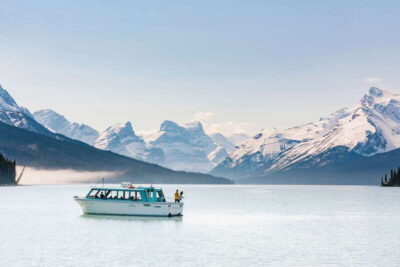
Jasper National Park: Maligne Lake Cruise With Guide
Read our review →
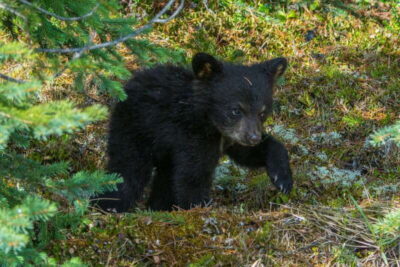
Jasper National Park: Evening or Morning Wildlife Watch Tour
Read our review →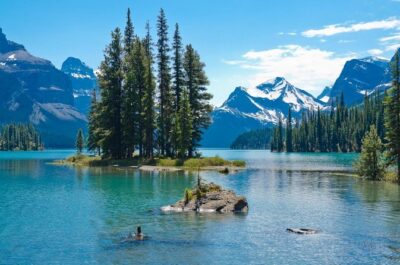
Jasper Wildlife & Sightseeing Tour with Maligne Lake Cruise
Read our review →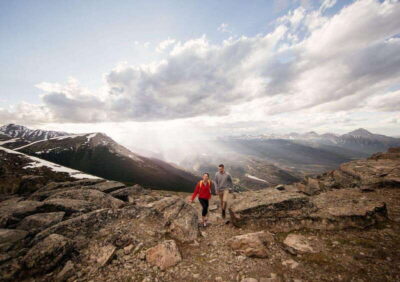
Wildlife and Waterfalls Tour with Maligne Cruise
Read our review →Browse the lists this tour appears in