
Reviewed · BANFF TOURS
Ice Climbing Adventure in Banff: Beginner
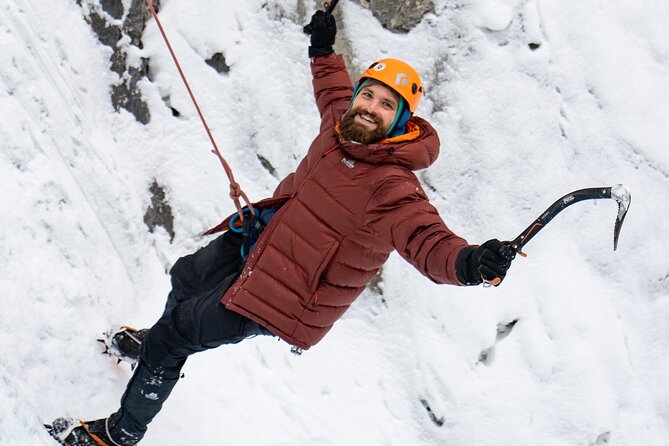
Swinging ice tools changes your view of winter. Banff’s beginner ice climbing day gives you a direct way into waterfall ice climbing, with professional instruction, full climbing gear, and a full day among the Canadian Rockies. I like the careful introduction to crampons, belaying, and movement on steep ice. I also like that the guide can adjust the day for complete beginners or people with some climbing experience.
The main catch is practical rather than technical: private transportation is not included, and the icefall location can change. You may need to arrange a ride to the climbing site, so do not arrive expecting a simple bus tour. Weather matters, too. At minus 24 Celsius, one outing ended early because the cold made climbing hard to enjoy.
In This Review
- Key points to know before booking
- What this Banff ice climbing day actually offers
- Meeting at 7:45 am in Banff
- Banff National Park: the setting matters
- Johnston Canyon and the approach to the ice wall
- Grassi Lakes and changing icefall plans
- Learning to move on steep ice
- The guides make or break the day
- Gear, lunch, and what you need to prepare
- Is the $194.36 price fair?
- Who should book this experience?
- Booking timing and cancellation
- My verdict: book it for the story, not convenience
- FAQ
- How much does the beginner ice climbing experience cost?
- How long does the experience last?
- What time and where does the activity begin?
- Where does the activity end?
- Is transportation to the climbing site included?
- Is lunch included?
- What climbing equipment is provided?
- Is this suitable for complete beginners?
- How many people can join the activity?
Key points to know before booking
- You climb real waterfall ice: This is not an indoor wall or a short demonstration. You travel to a frozen waterfall and practice on natural ice.
- Beginners can start from zero: Guides cover site safety, crampon walking, belaying, knots, ice tools, and basic movement.
- The guide makes the day work: Shea received high praise for patient teaching and safety, while Nolan was praised for working hard in extreme cold.
- You need your own transport to the climb: The meeting point is in Banff, but private transportation to the climbing site is not included.
- Cold can shorten the adventure: A full seven-hour day is planned, but severe weather may affect how long you climb.
- The group can be as large as 12: That keeps the price reasonable, though a smaller group may allow more climbing time per person.
What this Banff ice climbing day actually offers
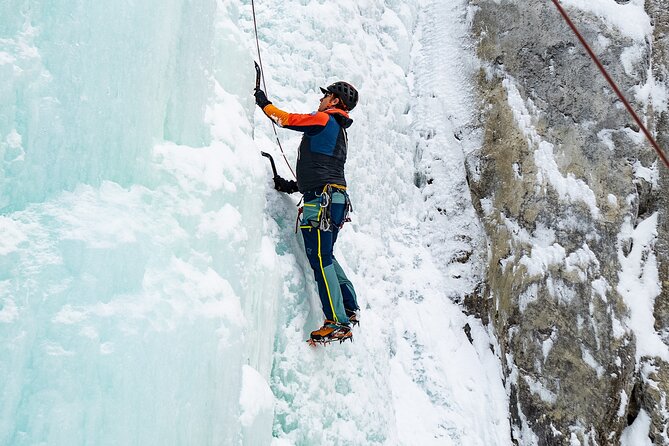
The program is built around a simple idea: get you safely onto frozen waterfall ice as soon as practical. Your professional mountain guide fits your helmet, harness, crampons, climbing boots, and ice tools, then explains how the equipment works before you approach the wall.
You do not need previous ice climbing experience. The first lessons focus on the basics that make the sport possible. You learn how to walk in crampons, how to use ice tools, how to move on steep ice, and how to belay someone climbing on a top rope.
That last skill matters. You are not only pulled up a wall while a guide does everything else. You can learn how the rope system works and take part in the safety routine. For a first attempt, that gives the activity more substance than a quick photo opportunity.
The climbing location may vary. Johnston Canyon is one possible area, and a roughly 20-minute hike to an ice wall near the canyon has been part of the experience. Grassi Lakes is also listed as a possible stop, along with Banff National Park more broadly. Because ice conditions and access change, you should treat the route as flexible rather than expect a fixed sightseeing circuit.
More Ice Walks and Canyoning in Banff
- Johnston Canyon Icewalk
★ 5.0 · 502 reviews - Banff: Mount Norquay 2.5 or 4-Hour Guided Via Ferrata Climb
★ 4.9 · 305 reviews - Banff: Morning or Afternoon Johnston Canyon Icewalk
★ 4.8 · 253 reviews
Meeting at 7:45 am in Banff
The day begins at 7:45 am at 229 Bear Street in Banff, Alberta. The office is on the lower floor of an indoor mall, which can be easy to miss. Give yourself extra time to find it, especially if you are carrying winter clothing and climbing layers.
The activity ends back at the same meeting point. It is offered in English, and confirmation arrives when you book. The location is near public transportation, but that does not solve every transport need for the day.
The important detail is the gap between the meeting point and the climbing site. Private transportation is not included. You may need to arrange a ride from Banff to the chosen icefall and back. This has caused some confusion, so settle the plan before the morning of your climb.
That arrangement can work well if your party has a car or coordinates a ride. It is less convenient if you assume the operator provides a complete door-to-door outing. I would ask about the exact climbing location and transport plan before paying, particularly if you are visiting Banff without a vehicle.
Banff National Park: the setting matters
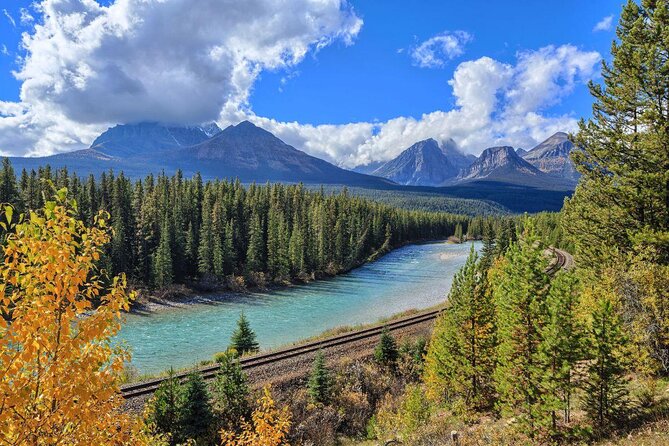
The Canadian Rockies are a world-class destination for waterfall ice climbing because winter turns flowing water into steep frozen walls. The setting is part of the appeal, but it also shapes the day. You are dealing with natural ice, mountain weather, approach trails, and conditions that can change.
The Banff National Park portion is best understood as the wider setting for the activity rather than a standard sightseeing stop. You spend the day outside in a dramatic mountain environment, but the goal is to climb, learn, and manage the cold. If you want a relaxed scenic tour with frequent stops, this is not the right format.
I like that the setting gives the lesson a real sense of purpose. You are learning a sport in the place where it belongs, not practicing on an artificial surface before returning to town. The tradeoff is that natural conditions are less predictable and may demand more patience.
Johnston Canyon and the approach to the ice wall
Johnston Canyon is a strong possible location for a first outing. A hike of about 20 minutes has been used to reach an ice wall near the canyon, which adds a short approach before the climbing begins. That walk is not a major expedition, but it does mean you should be ready to move in winter conditions while carrying or wearing cold-weather gear.
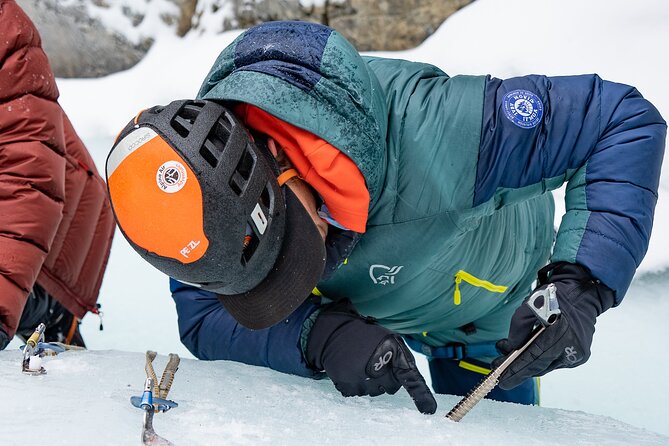
Once at the ice, the guide sets up the climbing system and helps you get started. Beginners can expect time spent learning how to stand and walk in crampons, how to swing the tools, and how to keep their body positioned on steep ice. These movements feel unfamiliar at first, so the guide’s pacing makes a real difference.
One of the strongest parts of the experience is the chance to climb several times rather than simply reach the wall once. During a successful outing, beginners learned belaying and knots before taking turns on the ice. Reaching the top of a wall after starting with no experience can provide the day’s clearest sense of achievement.
The exact number of climbs depends on group size, conditions, and how quickly everyone learns the basic system. With up to 12 people, you may spend some time waiting for your turn. A smaller group should give you more direct climbing time, though the provided price does not guarantee a private or small-group format.
A completely different kind of day out on the same trip:
- Banff: Banff Gondola Admission Ticket
★ 4.7 · 3,698 reviews - Banff Gondola Ride Admission
★ 4.5 · 2,688 reviews - Columbia Icefield Tour with Glacier Skywalk
★ 4.5 · 1,860 reviews - Lakes Moraine, Louise, Emerald, Johnston Canyon & Yoho Tour
★ 4.8 · 1,023 reviews
Grassi Lakes and changing icefall plans
Grassi Lakes is listed among the itinerary stops, but the icefall location may vary. That means you should not treat every named place as a guaranteed climbing site or sightseeing stop. The guide chooses among available areas based on the program and conditions.
This flexibility is useful for a natural sport. Ice forms differently from one place to another, and access can change. A guide who can choose a suitable wall has more room to match the day to beginner ability and current conditions.
For you, the practical lesson is simple: ask what the current plan is, but expect it to remain flexible. The day is about waterfall ice climbing in the Banff area, not checking off a strict list of three attractions.
Learning to move on steep ice
The first physical lesson is walking in crampons. The metal points give you traction, but they also change the way you place your feet. You need to lift your feet enough to avoid catching a point, then set the crampons firmly into the snow or ice.
The ice tools require a different rhythm from ordinary hiking poles. You swing them into the ice, use the placements for balance and support, and coordinate your arms with your feet. Your guide shows you how to move rather than leaving you to guess.
The basic program also covers site safety and awareness. That includes understanding the climbing area, the rope system, and the habits needed around a frozen waterfall. The instruction is valuable because ice climbing is not only about strength. Good movement and careful systems help you use less energy.
If the day progresses well, you may work on more advanced movement on steep ice. The longer format can also include placing ice screws, building V-threads, mock leading, and rappelling. These are not guaranteed milestones for every beginner, but they show how the program can grow beyond a first climb when time and ability allow.
The guides make or break the day
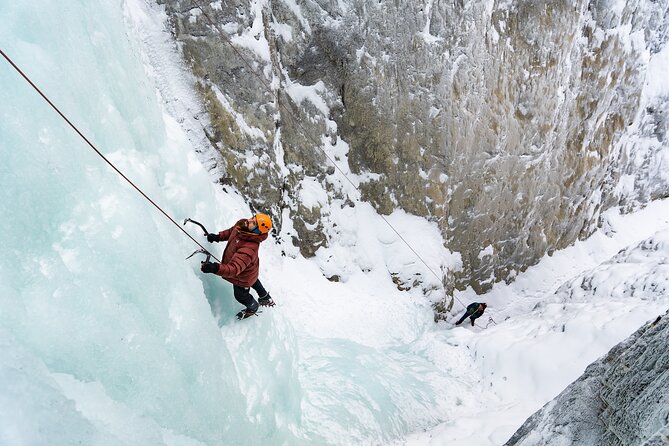
Professional ACMG or IFMGA mountain guides lead the program. Their role is more than belaying the rope. They fit your equipment, teach the movement, explain safety, set up the climbing system, and adjust the instruction to the group.
Shea was especially praised for teaching complete beginners carefully and making them feel safe. The group learned belaying and knots, then moved on to climbing. That combination of instruction and hands-on practice is exactly what you want from a first technical mountain activity.
Nolan also received strong praise for guiding in difficult cold. His effort helped preserve the experience, even though the conditions eventually shortened the day. That detail points to both the strength of the guides and the limits of winter sport. A good guide can manage cold, but cannot make minus 24 Celsius feel comfortable.
I would pay close attention to the guide’s briefing and speak up if your hands, feet, or face become painfully cold. The program is designed for adventure, not for proving how long you can tolerate poor conditions.
Gear, lunch, and what you need to prepare
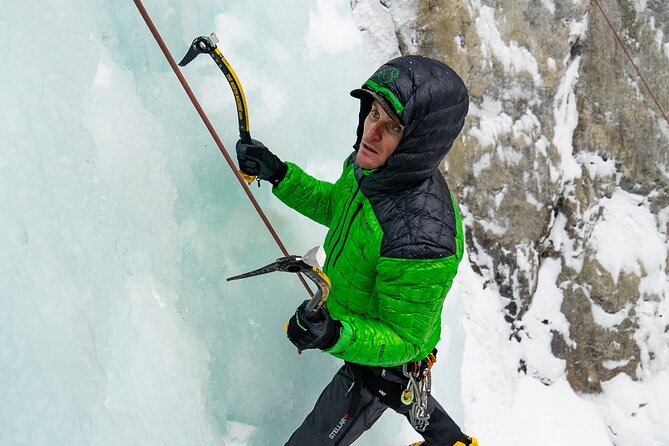
The price includes the main climbing equipment:
- Helmet
- Harness
- Ice tools
- Crampons
- Climbing boots
- Professional mountain guide
That is a meaningful inclusion. Buying or renting a complete ice climbing kit for one attempt would be inconvenient and expensive. The included boots and crampons also remove two of the hardest items for a first-timer to source.
Lunch is not included. Bring food and water suitable for a long outdoor day, but do not assume you can stop for a normal restaurant meal once the climbing begins. Your clothing also matters, although the supplied information does not specify a clothing rental package. Dress for serious winter conditions and expect long periods outside.
You should also plan for the approach hike, standing around while other people climb, and repeated physical effort. The activity is beginner-friendly, but it is not effortless. Crampons, boots, and ice tools add weight, and cold can make simple tasks feel tiring.
Is the $194.36 price fair?
At $194.36 per person, this is not a cheap way to spend a winter day. Still, the price includes a full day of professional guiding and all climbing gear, which gives it solid value if you genuinely want to try ice climbing.
You are paying for more than the minutes spent on the wall. The fee covers technical instruction, equipment fitting, rope systems, safety management, route choice, and the chance to learn a sport in a real mountain setting. For someone who would otherwise need to arrange gear and instruction separately, the package is convenient.
The value drops if you want only a short introduction or if severe weather cuts the day short. One session ended early in extreme cold, even though the guide worked hard. You should view the price as payment for a guided mountain activity, not a guarantee of seven uninterrupted hours of climbing.
The group limit is 12 people. That keeps the cost below what a private guide would likely require, but it can affect how many climbs you complete. If you are choosing between this and a more expensive small-group option, consider how much individual climbing time matters to you.
Who should book this experience?
I would recommend it to an active first-timer who wants a real story to bring home, not just another scenic viewpoint. You need to be comfortable spending most of a winter day outdoors and willing to learn a new movement system.
It also suits someone with previous rock climbing or mountaineering experience who wants a controlled introduction to waterfall ice. The guide can customize the day and, when time permits, introduce more advanced skills.
It may not suit you if you dislike cold, need guaranteed transportation, or want a predictable sightseeing schedule. It is also a poor match for anyone expecting a casual activity with little physical effort.
Most people can participate, according to the activity details, but the program still involves hiking, crampons, steep ice, and extended outdoor exposure. If you have concerns about your fitness or ability to manage the equipment, ask the provider before booking.
Booking timing and cancellation
This experience is booked about 23 days ahead on average, which suggests you should not leave it until the last minute if your Banff dates are fixed. Winter weather and limited guide capacity can make popular dates harder to secure.
You can cancel up to 24 hours before the experience for a full refund. That policy is useful when your itinerary needs flexibility, though it does not remove the need to check the weather and transport arrangements before the activity day.
My verdict: book it for the story, not convenience
I would book this if I wanted a genuine introduction to waterfall ice climbing and was prepared to handle the practical work. The guides, included gear, and beginner-focused teaching are the best reasons to go. Learning to belay, swing ice tools, and reach the top of a frozen wall gives the day real value.
I would hesitate if I had no transport plan or if the forecast called for brutal cold. Ask where you will climb, how you will reach the icefall, and what happens if conditions are unsafe or the day is cut short.
For an active visitor who accepts those limits, this is a memorable Banff experience. It may be a one-time adventure rather than a new lifelong sport, but that is a perfectly good reason to try it.
FAQ
How much does the beginner ice climbing experience cost?
The listed price is $194.36 per person.
How long does the experience last?
The program lasts approximately seven hours.
What time and where does the activity begin?
It begins at 7:45 am at 229 Bear Street, Banff, Alberta, Canada.
Where does the activity end?
The activity ends back at the meeting point on Bear Street.
Is transportation to the climbing site included?
No. Private transportation is needed to reach the climbing site and is not included in the price.
Is lunch included?
No. Lunch is not included.
What climbing equipment is provided?
The experience includes a helmet, harness, ice tools, crampons, and climbing boots.
Is this suitable for complete beginners?
Yes. The program is designed for complete beginners and can also be adjusted for people with more climbing experience.
How many people can join the activity?
The maximum group size is 12 travelers.
Newest reviews from Banff
- Banff Cave & Hot Springs Audio Walking Tour (Not a Ticket)★ 3.0 · 6 reviews
- Banff: Vintage Car Legendary Open-Top Touring★ 5.0 · 6 reviews
- Banff to Calgary Private Shuttle★ 4.5 · 6 reviews
- Banff: Guided Nature Walk with Bear Country Safety Tips★ 4.5 · 6 reviews
- All-Inclusive Private Banff Tour with Hotel Transfer★ 5.0 · 6 reviews
- Sunshine Meadows Daily Guided Hike with Gondola★ 4.9 · 6 reviews
- Taste of Banff Food Tour★ 5.0 · 6 reviews
- Louise, Moraine/Johnston Canyon, Minnewanka & Banff Town★ 5.0 · 7 reviews
Banff Tours, compared.
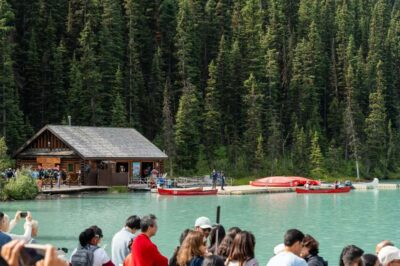
Lakes Moraine, Louise, Emerald, Johnston Canyon & Yoho Tour
Read our review →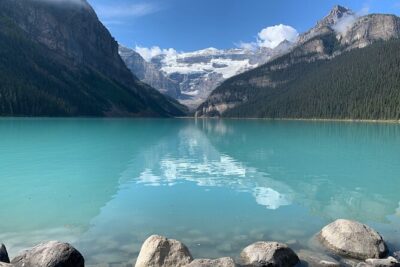
Lake Louise, Moraine Lake and the Icefields Parkway Full-Day Tour
Read our review →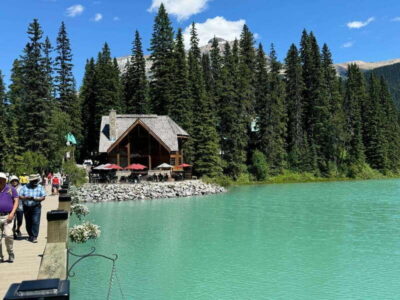
Lake Louise, Moraine, Emerald Lake & Johnston Canyon
Read our review →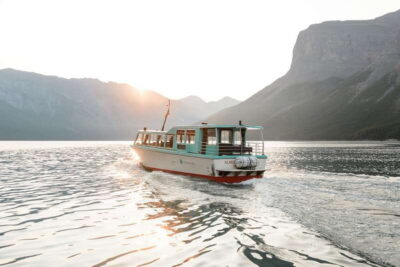

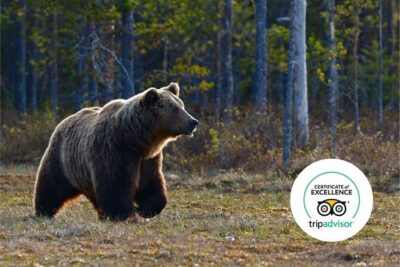
Banff Highlights & Wildlife | Award-Winning Small Group Adventure
Read our review →Browse the lists this tour appears in