
Reviewed · QUEBEC CITY TOURS
Grosse-Île: Irish Immigrant Memorial Cruise & Tour
History feels close on Grosse-Île. This six-hour outing combines a St. Lawrence River cruise with a guided visit to the former quarantine station, where costumed interpreters and Parks Canada guides explain what immigrants faced between 1832 and 1937. I especially like the captain’s personal commentary and the chance to trace family names through island records. The main drawback is getting to the marina, where parking is limited and summer traffic can be slow.
I also like that the $73 price includes the boat ride, island access, and guided tour, rather than charging separately for the main parts of the day. The island’s open views and preserved buildings add welcome breathing room after the more serious stories. Still, you need to bring lunch, and the trip is not suitable for wheelchair users.
In This Review
- Key points to know before you go
- Why Grosse-Île matters in Canadian immigration history
- The St. Lawrence cruise to Grosse-Île
- Arriving at the former quarantine station
- Costumed characters and personal stories
- The island’s scenery and memorial spaces
- A six-hour day, with a few practical limits
- Is $73 a fair price?
- Who will enjoy this tour most?
- English and French guiding
- Weather, clothing, and what to pack
- Should you book the Grosse-Île cruise?
- FAQ
- How long does the Grosse-Île cruise and tour last?
- What does the $73 price include?
- Is food included?
- Are tours offered in English?
- Can I pay with cash on board?
- Does the cruise operate in the rain?
- Is the tour suitable for wheelchair users?
- Can the departure time change?
Key points to know before you go
- The boat ride sets the historical scene: Captains explain how the St. Lawrence served as the gateway for immigrants arriving in Canada.
- Grosse-Île tells a difficult story: The former quarantine station reveals the medical checks, isolation, and disinfection procedures faced by newcomers.
- Costumed characters make the past easier to picture: Their short performances add human detail to the buildings and exhibits.
- English and French support is available: The captain and island guides provide commentary in both languages.
- Bring your own lunch: There is no restaurant on Grosse-Île, and only credit cards are accepted on board.
- Arrive early at the marina: Parking is difficult, traffic can be heavy in peak months, and departure times can change with tides and weather.
Why Grosse-Île matters in Canadian immigration history
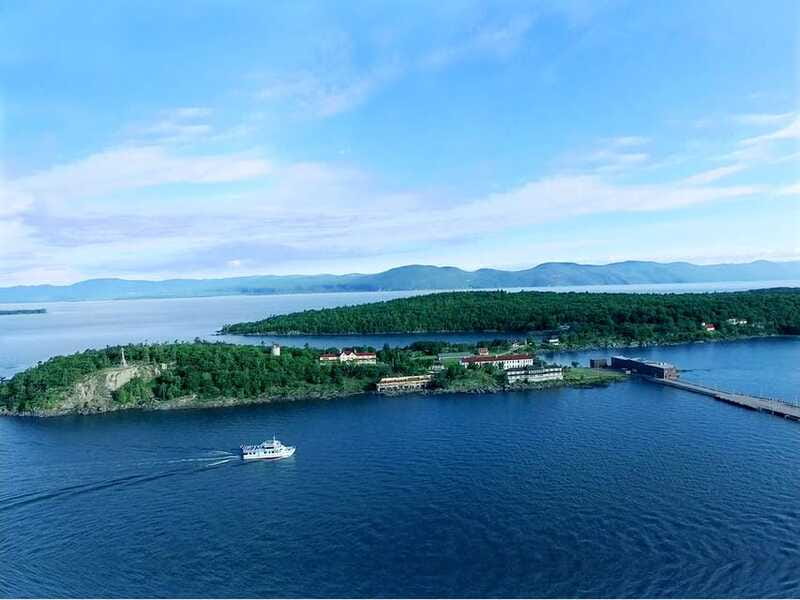
Grosse-Île served as an immigration and quarantine station from 1832 to 1937. Its location in the St. Lawrence River made practical sense: ships carrying newcomers could be checked before passengers continued toward Quebec and other parts of Canada.
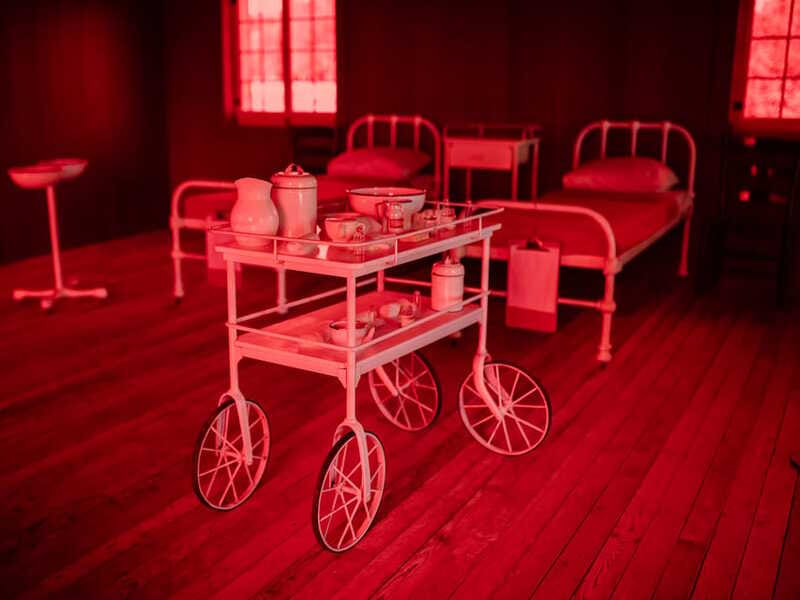
That practical arrangement came with a heavy human cost. The island was a holding place for people who had already endured long ocean journeys, illness, crowded conditions, and uncertainty about their future. The guided visit explains how officials dealt with incoming passengers and how disease shaped the operation of the station.
The Irish connection is especially important. The island is closely tied to the movement of Irish immigrants during the period of the potato famine. You will hear about people arriving with hopes of starting over, along with the harsh conditions that made the crossing and quarantine dangerous.
I find the site most effective when it links large events to individual lives. A name in a record book is not just a statistic. One participant found the name of her great-great-great-grandmother, Anne Derby, in the island’s books and on the glass memorial. If you have Irish family roots, bring the names and dates you know. You may find the visit becomes personal very quickly.
More Boat Trips in Quebec City
- Québec City: Guided Sightseeing River Cruise
★ 4.4 · 3,000 reviews - Quebec City Guided Sightseeing Cruise
★ 4.0 · 894 reviews - Québec City: Evening Cruise with Live DJ
★ 4.2 · 330 reviews
The St. Lawrence cruise to Grosse-Île
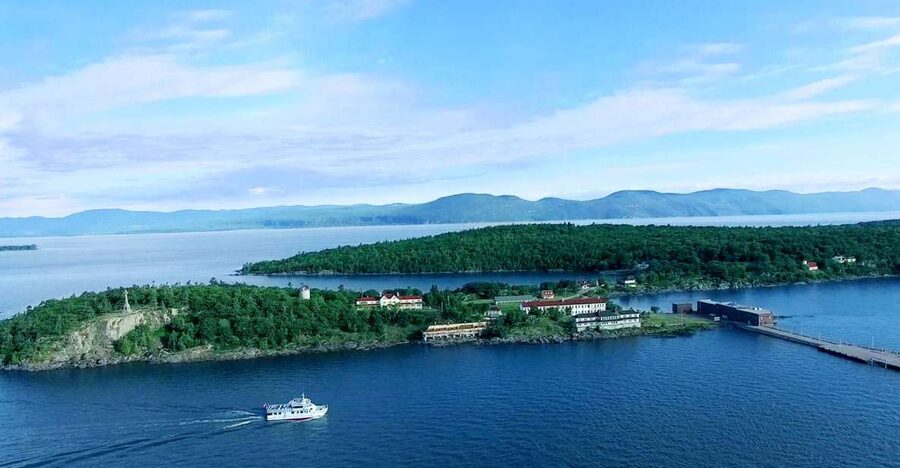
The day begins on the water. The cruise gives you time to settle in, look at the shore, and understand why the river was so important to Quebec’s past. Grosse-Île was not an isolated curiosity. It was part of a major arrival route, and the boat helps you see that route in physical terms.
The scenery is a useful counterpoint to the subject matter. You get broad river views on the way to the island, with natural surroundings that make the destination feel separate from the mainland. The changing view also gives the captain a natural setting for explaining the island’s role.
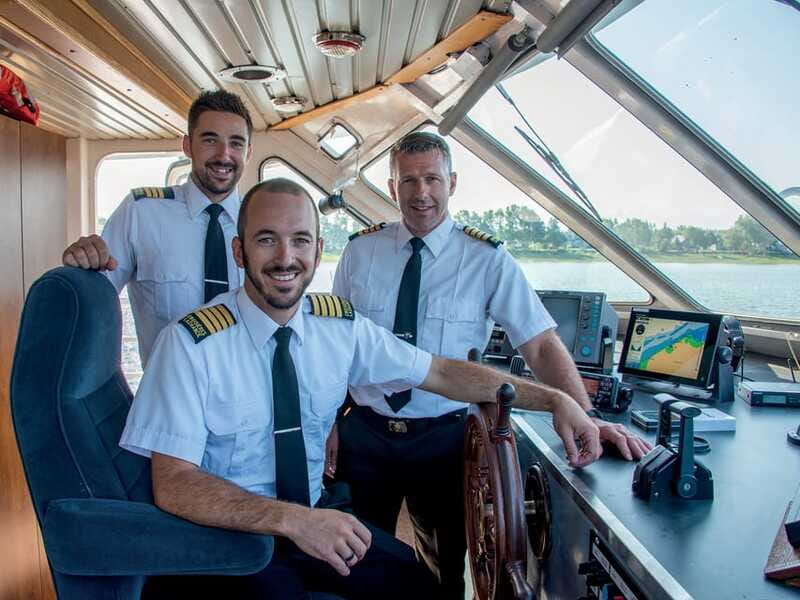
Captain Lachance is particularly associated with the strength of the boat commentary. He has a personal connection to Grosse-Île and takes time to explain the trip in English as well as French. His talks cover the island, immigration, and the wider regional story. That personal connection gives the outward and return journeys more purpose than simple transportation.
On one especially small sailing, an English-speaking passenger received unusually close attention and even had the chance to sit in the captain’s chair. You should not count on a private wheelhouse visit, but the example shows that the tone can be friendly and personal when the group is small.
The boat has an enclosed area, so rain does not normally cancel the cruise unless conditions threaten passenger safety. I would still bring a rain jacket. A wet river crossing can feel long if you have dressed only for a sunny afternoon.
Arriving at the former quarantine station

Once you reach Grosse-Île, Parks Canada guides take over. The island visit is not simply a walk past old buildings. Guides explain how the station worked and connect the physical setting to the lives of the people held there.
You can expect to see preserved buildings, displays, and areas connected with immigration control and quarantine. The tour explains the treatment of arriving passengers, the role of station employees, and how garments were disinfected. These details matter because they show how illness was managed before modern medical systems existed.
The island’s former quarantine role can be difficult to hear about, but the guides keep the story grounded. You are not given only dates and official names. The tour considers the hopes and fears of people who had crossed the Atlantic and then found themselves unable to continue immediately.
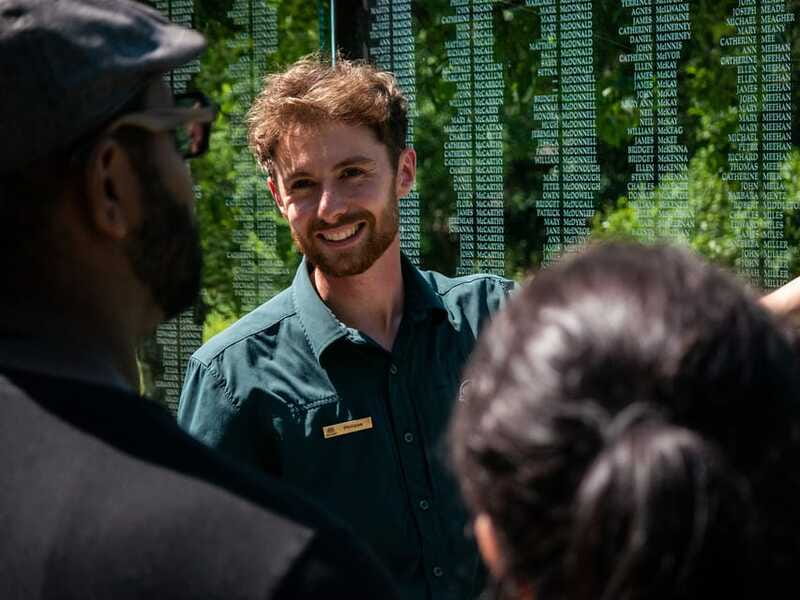
Several island guides receive especially warm praise for their clear delivery and friendly approach. Philippe, who has worked with the trolley, is remembered for making the island easy to understand. The guided format also helps you cover more ground during a six-hour outing, although some people would prefer to walk more of the property instead of riding the trolley.
That is a fair point. The trolley makes the site easier to cover and helps keep the schedule on track, but it can reduce the freedom to pause wherever you like. If you prefer independent wandering, listen carefully to the guide first, then use any available free moments to look more closely at the surroundings.
Costumed characters and personal stories

The costumed interpreters are one of the tour’s most distinctive features. Instead of hearing only a formal explanation, you meet characters who present pieces of island life through historical roles.
This approach can make the past easier to picture, especially for families and younger visitors. A building labeled as a quarantine facility can feel distant. A character explaining what happened there gives the place a human voice.
The performances do not replace the Parks Canada tour. They add another layer. The guides provide the structure and facts, while the characters help you imagine the people who worked at the station or passed through it.
I would expect the tone to vary by interpreter and group size. Some people enjoy this kind of historical presentation; others prefer quiet reading and self-guided exploration. Here, the characters are useful because the subject can otherwise become a string of dates and procedures.
The combination works best when you pay attention to both parts. Listen for the official process, then notice how the personal stories explain its effect on real people.
A completely different kind of day out on the same trip:
- Quebec City Walking Tour
★ 5.0 · 4,716 reviews - Quebec City: Guided Tour of Fairmont Le Château Frontenac
★ 4.7 · 3,027 reviews - Half-Day Trip to Montmorency Falls and Ste-Anne-de-Beaupré from Quebec city
★ 4.0 · 2,718 reviews - Old Quebec City: Grand Walking Tour with Private Option
★ 4.8 · 2,609 reviews
The island’s scenery and memorial spaces
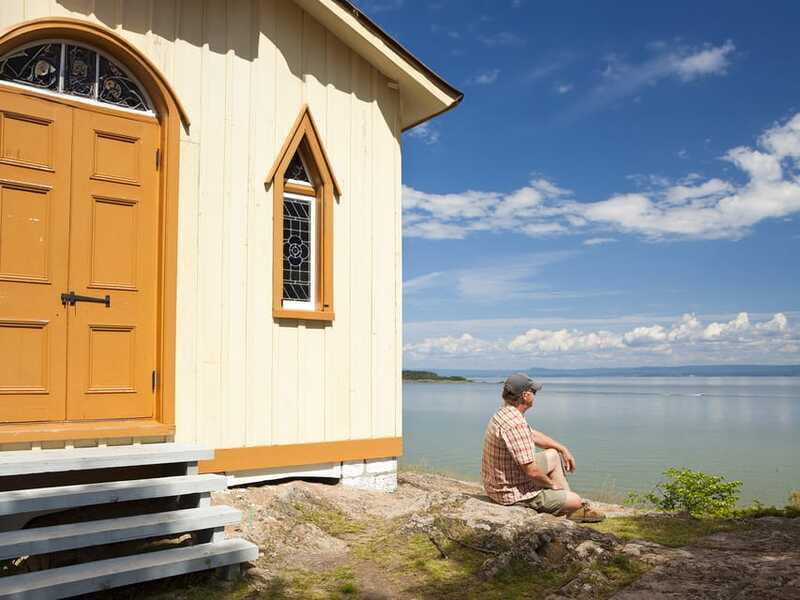
Grosse-Île is not only a historical site. Its natural setting gives the day a slower rhythm, with open views and peaceful surroundings along the river.
That contrast is important. The stories of quarantine, illness, and difficult arrivals are serious. The scenery gives you time to process what you have heard without turning the experience into a grim march from one building to another.
The glass memorial is likely to be one of the most meaningful stops for anyone researching family roots. A name may connect your own family story to the larger movement of Irish immigrants through the island. Even if you do not find a relative, the memorial helps turn a broad historical event into a record of individuals.
Bring a notebook or keep family names ready on your phone. The tour does not promise genealogical research, so you should not expect staff to conduct a full family investigation. Still, the preserved records can offer a powerful surprise when your family happens to appear.
A six-hour day, with a few practical limits

Six hours is a substantial commitment, but it suits the destination. The boat ride takes time in both directions, and Grosse-Île deserves more than a quick photo stop.
The length also means you should plan for a full outing rather than a flexible add-on between other Quebec activities. Check the departure time carefully, especially near the end of August. Tides and weather can affect the schedule.
Food requires planning. No meal is included, and there is no restaurant on the island. Pack a lunch and bring anything you will want during the day. On board, cash is not accepted, so carry a credit card for purchases.
The meeting point can be the most frustrating part. Parking is difficult to find, and traffic may be heavy during the busiest months. I would arrive well ahead of the stated departure time, not just a few minutes early. A delayed arrival at the marina could mean missing the boat.
Hotel pickup and drop-off are not included. You need to arrange your own way to the departure point, and one visitor found taxi fares to the marina surprisingly high compared with the tour price. If you are staying in Quebec without a car, check the cost of reaching the marina before booking.
Is $73 a fair price?

At $73 per person, the value depends on how much of the day you want to experience. The fee includes the river cruise, access to Grosse-Île, a guide, and the guided island tour. Those are the core costs, and you do not need to arrange separate transport across the river or pay an additional island admission fee.
Six hours also gives the price some weight. You are paying for a full historical outing, not a short harbor ride. The captain’s talks and the Parks Canada interpretation add real content to the transportation.
Families should do the math carefully. One parent who had wanted to visit for years found ferry costs difficult for a family of five, with a reported fare of $50 per person for the ferry option. The $73 cruise package may be easier to assess because it combines the crossing and island visit, but five or six tickets still add up quickly.
The lack of included food is a small extra cost, not a major flaw. A packed lunch solves it. The bigger budget question is your transport to the marina, especially if you need taxis.
I consider the price fair for history-minded visitors, genealogy researchers, and anyone who wants a guided experience rather than simply reaching the island. It is less compelling if you mainly want a short scenic cruise or casual time outdoors.
Who will enjoy this tour most?
I would recommend it first to people with Irish ancestry or a family interest in immigration history. Finding a relative’s name, as one visitor did with Anne Derby, can turn a good tour into a deeply personal day.
It also suits anyone who prefers history explained on site. The captains and island guides provide context as you move through the river route and buildings. You do not need to arrive as an expert.
Families can enjoy the costumed characters and trolley, though the serious subject matter may be better suited to older children who can follow discussions of illness, quarantine, and difficult journeys. The six-hour length is worth considering before you bring very young children.
The outing is also a good match for visitors who like a mix of scenery and cultural sites. You get river views, open island surroundings, preserved buildings, and guided interpretation in one day.
I would hesitate to recommend it to someone who needs step-free access, since the activity is not suitable for wheelchair users. I would also choose another plan if you dislike fixed schedules, guided groups, or bringing your own meal.
English and French guiding
The experience is offered in English and French. The captain’s commentary and island interpretation can make the day accessible to speakers of either language.
If you are an English speaker visiting during a quieter period, the amount of English attention may be unusually generous. One English-speaking visitor found herself as the only person in the language group and received what felt like a private tour.
Group size will affect that experience, so I would not book expecting private treatment. Still, the available language support is a strong reason to choose this outing over a less structured visit.
Weather, clothing, and what to pack
Rain does not normally stop the cruise unless it creates a safety problem. The boat has an enclosed area, but you will enjoy the day more with layers and rain protection.
Pack a lunch, a credit card, and comfortable clothing for a full day out. The instructions specifically call for a credit card because cash is not accepted on board.
Give yourself extra time for the marina. Parking and traffic are the two avoidable problems here. A calm start matters, especially when the departure time may shift with tides and weather.
Should you book the Grosse-Île cruise?
Book it if you want a thoughtful, guided look at Irish immigration and Canada’s quarantine system, with a river journey and striking island scenery included. The strongest parts are the captain’s historical commentary, the Parks Canada guides, the costumed characters, and the chance to connect family names with a real place.
Think twice if you need wheelchair access, want restaurant service, or prefer to explore entirely at your own pace. Also price the trip to the marina before committing, since parking and taxis can affect the real cost.
For most history-focused visitors, the $73 fee is reasonable for six hours of transport, interpretation, and island access. Bring lunch, arrive early, and leave room in your day for a stop that may feel more personal than expected.
FAQ
How long does the Grosse-Île cruise and tour last?
The experience lasts about six hours, including the river cruise to and from Grosse-Île and the guided island visit.
What does the $73 price include?
The price includes the river cruise, access to Grosse-Île, a guide, and the guided tour of the island.
Is food included?
No. Food and drinks are not included, and there is no restaurant on the island. You should bring a packed lunch.
Are tours offered in English?
Yes. The experience is available in English and French.
Can I pay with cash on board?
No. Cash is not accepted on board. Bring a credit card.
Does the cruise operate in the rain?
The cruise normally runs in rain unless weather creates a safety risk for passengers. An enclosed area is available on the boat.
Is the tour suitable for wheelchair users?
No. The activity is not suitable for wheelchair users.
Can the departure time change?
Yes. Near the end of August, the departure time may change, and schedules can vary with tides and weather. Parking is difficult and traffic can be heavy during peak months, so arrive well before departure.
Newest reviews from Quebec City
- YQB Airport Transfer★ 5.0 · 41 reviews
- Immersion Quebec: Virtual Reality Experience of Quebec City’s History★ 4.5 · 51 reviews
- Quebec City – Regular Bike Rental on Ile d’Orléans★ 4.6 · 52 reviews
- Snowshoeing Tour in Jacques-Cartier National Park★ 5.0 · 55 reviews
- Québec: Fortifications-of-Québec Guided Walking Tour★ 4.7 · 60 reviews
- Christmas Magic in Old Quebec★ 4.5 · 61 reviews
- Quebec City: MNBAQ National Fine Arts Museum Entry Ticket★ 4.6 · 63 reviews
- Quebec: City Tour, Montmorency Falls & Île d’Orléans Tour★ 4.5 · 68 reviews
Quebec City Tours, compared.



Half-Day Trip to Montmorency Falls and Ste-Anne-de-Beaupré from Quebec city
Read our review →
Old Quebec City: Grand Walking Tour with Private Option
Read our review →

Montmorency Falls & Ile d’Orleans Half-Day Tour
Read our review →
Hop-on Hop-off Open-Top Double Decker Bus Tour
Read our review →Browse the lists this tour appears in