
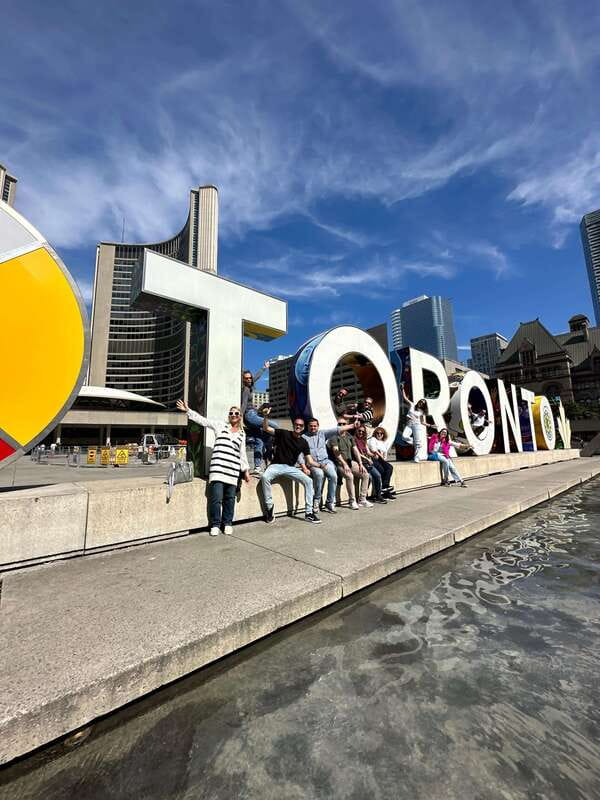
Reviewed · TORONTO TOURS
Downtown Toronto: Walking tour experience. English/Spanish
Toronto rewards walking. This private tour links the city’s old market district, street art, immigrant neighborhoods, and modern public spaces in English or Spanish. I like the flexible format, especially for small groups, and I like that guide Paul Campbell has adjusted routes for wheelchair users. The main caution is that the tour can cover a lot of ground without offering much historical background.
You pay $54 per person for two to four hours, with children under 12 free. That is a fair price for a private guide and personal recommendations, though you should confirm exactly which stops fit your chosen duration. Paul has earned warm praise for his friendly manner and attention to guests, but the experience is likely best for people who want an easy introduction to Toronto rather than a detailed history lesson.
In This Review
- Toronto in six useful snapshots
- Starting with Toronto’s old brickwork in the Distillery District
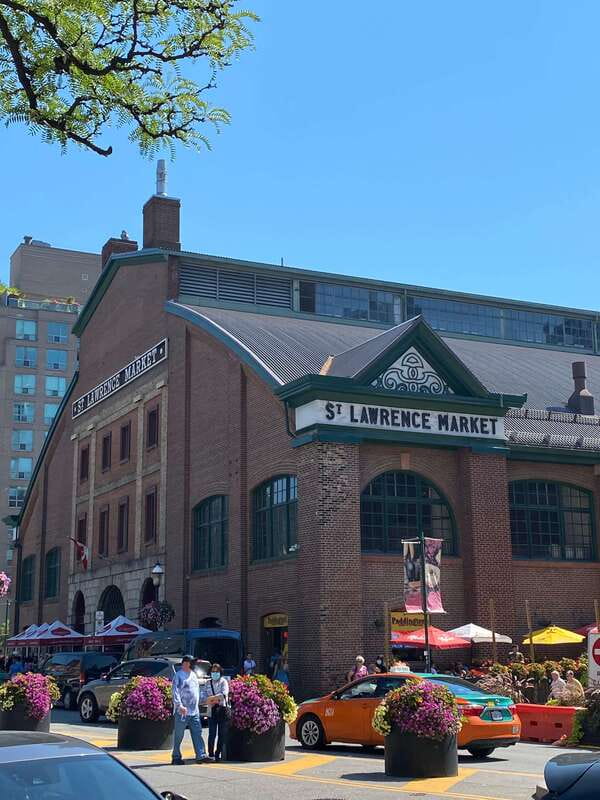
- Tasting the city at St. Lawrence Market
- Reading the city through Graffiti Alley
- Chinatown and Kensington Market, two different kinds of local life
- Dundas Square and Toronto’s bright modern center
- The seasonal ferry to Toronto Island
- What Paul Campbell adds to the walk
- Is $54 a good value for two to four hours?
- Who will get the most from this Toronto walk?
- Should you book it?
- FAQ
- How much does the Toronto walking tour cost?
- How long does the tour last?
- Which languages are available?
- Is the tour private?
- Is the tour wheelchair accessible?
- Is Toronto Island included all year?
- Can I cancel for a refund?
Toronto in six useful snapshots
- St. Lawrence Market gives you the best food stop: This is the city’s culinary center, with a strong connection to Toronto’s everyday life.
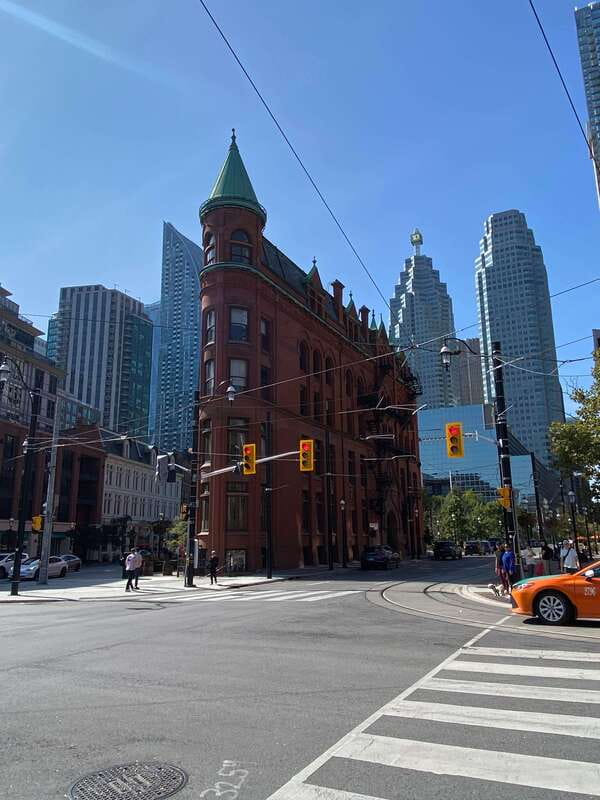
- The Distillery District supplies the old Toronto setting: Cobblestones and Victorian-era buildings make this the most atmospheric historical stop.
- Graffiti Alley changes the mood: Street art brings social messages, color, and a more current view of the city.
- Chinatown and Kensington Market show Toronto’s mixed character: One offers food and long-standing traditions, while the other leans toward indie shops, cafes, and street performers.
- Dundas Square puts modern Toronto on display: Lights, entertainment, and traffic create a sharp contrast with the quieter historic districts.
- Toronto Island adds a seasonal escape: If included and operating during your visit, the ferry ride offers beaches, greenery, and skyline views.
Starting with Toronto’s old brickwork in the Distillery District
The Distillery District is a smart first stop because it gives you a clear sense of Toronto’s earlier character. Its cobblestone lanes and Victorian-era buildings create a setting that feels removed from the glass towers of downtown.
You can expect the guide to point out the district’s architecture and explain how it fits into the city’s past. The area is attractive and easy to photograph, but its appeal is visual as much as historical. If you want a long, detailed account of Toronto’s development, say so early. One piece of feedback specifically found the historical explanation a little thin.
That is an important distinction. This tour appears designed to show you the city and help you understand its neighborhoods, not to deliver a university lecture at every corner. I like that approach for a first day in Toronto, especially if you want a broad sense of place before exploring on your own.
The private format should help here. With your own group, you can ask Paul to linger over buildings that interest you or move on when the district feels familiar. A larger fixed group often cannot offer that choice.
More Walking Tours in Toronto
- Show me the City! A Small Group Walking Tour of Toronto
★ 5.0 · 621 reviews - Toronto Distillery District Walking Tour
★ 5.0 · 327 reviews - Toronto: City Highlights Walking Tour | 3-Hour
★ 4.6 · 306 reviews
Tasting the city at St. Lawrence Market
St. Lawrence Market is one of the tour’s strongest stops. It is described as North America’s largest market and serves as Toronto’s culinary center, making it a useful place to see how the city’s many cultures meet through food.
This is not just a quick photo stop. Give yourself time to look at the stalls, notice the range of ingredients, and ask for recommendations. The market lets you experience Toronto through ordinary city life rather than only through major landmarks. You might find foods connected to several communities in one short walk, which helps explain why Toronto feels so broadly international.
Food purchases are not listed as included, so plan to pay separately if you want to sample something. That is a small but important budget point. The $54 price covers the walking tour and guide, not a stated tasting menu.
I would use this stop to ask Paul for practical eating advice. The experience promises good recommendations, and a local guide can help you decide where to return later. If you are on a tight schedule, the market may be more useful than spending the same time at another photo stop because it gives you both a sight and a possible meal.
Reading the city through Graffiti Alley
Graffiti Alley brings a different Toronto into view. Here, walls carry bold street art and messages tied to social commentary and creativity. The stop helps you see the city as a place that keeps changing, not merely one preserved in old brick.
Street art can be hard to appreciate without context. Ask Paul what he sees in the work and how the alley fits into Toronto’s arts scene. The tour description promises more than color on walls, so this is a good moment to hear how public art reflects current concerns and local expression.
The alley also breaks up the architectural rhythm of the tour. After older buildings and market stalls, the painted walls give you a sharper, more contemporary view. I like that contrast because it prevents the outing from becoming a standard checklist of historic buildings.
The exact amount of time here will depend on the group and the two to four hour schedule. If you are especially interested in street art, tell the guide before starting. A private tour gives you a better chance of shaping the pace around that interest.
Chinatown and Kensington Market, two different kinds of local life
Chinatown brings food, shops, markets, and long-standing traditions into the route. It is a lively neighborhood where you can get a sense of Toronto’s Chinese community and the city’s wider pattern of cultural exchange.
The practical value is simple: you see where people shop and eat, not just where a guide sends you for a quick picture. If you want specific food suggestions, this is another good time to ask. The tour is conducted in English or Spanish, so you can discuss recommendations in the language that suits your group.
Kensington Market offers a different feel. Its indie shops, cozy cafes, and street performers create a more bohemian setting, with a mix of cultures packed into a walkable district. I would not treat Chinatown and Kensington Market as interchangeable. Chinatown gives you one distinct cultural area, while Kensington Market shows how several influences can sit side by side.
Together, these neighborhoods are probably the clearest expression of Toronto’s multicultural identity. You get food, small businesses, public activity, and local character in a way that a bus tour cannot match.
There is also a possible drawback: these areas can be interesting enough to make you want more time than the schedule allows. The tour lasts two to four hours, and the route includes several major districts. If you hope to eat, shop, take photographs, and hear detailed explanations at every stop, choose the longer option if available.
A completely different kind of day out on the same trip:
- Toronto: Niagara Falls Day Tour with Optional Boat Cruise
★ 4.6 · 3,178 reviews - Niagara Falls Day Tour from Toronto
★ 5.0 · 2,889 reviews - Toronto: Casa Loma Entry Ticket
★ 4.7 · 2,705 reviews - Niagara Falls Canada Day Tour From Toronto + Boat Cruise Option
★ 5.0 · 2,576 reviews
Dundas Square and Toronto’s bright modern center
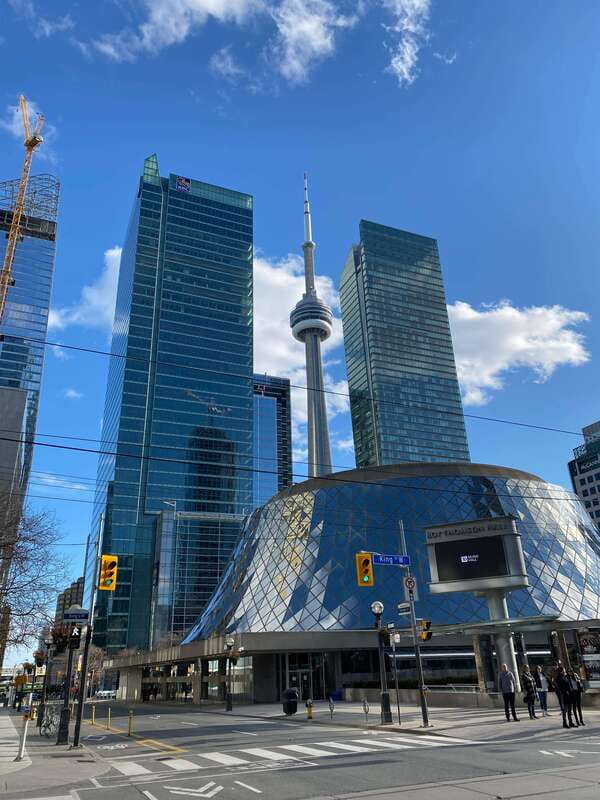
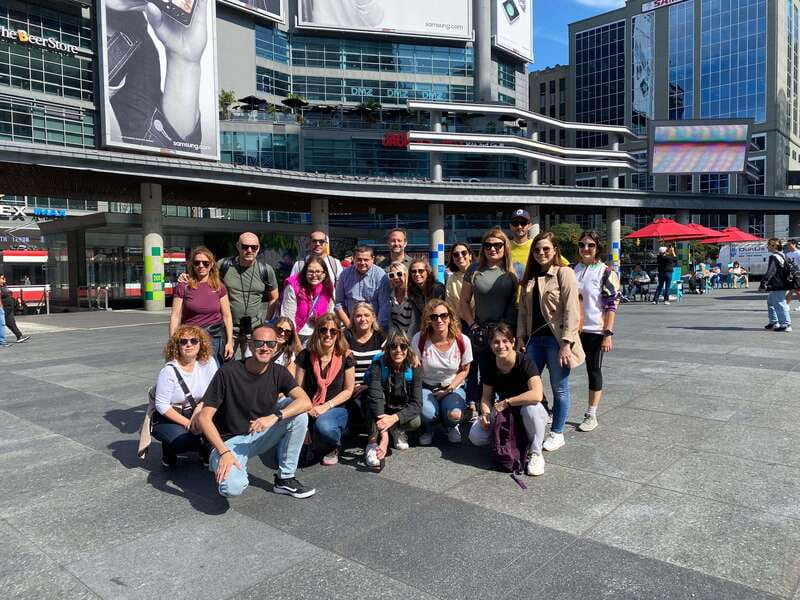
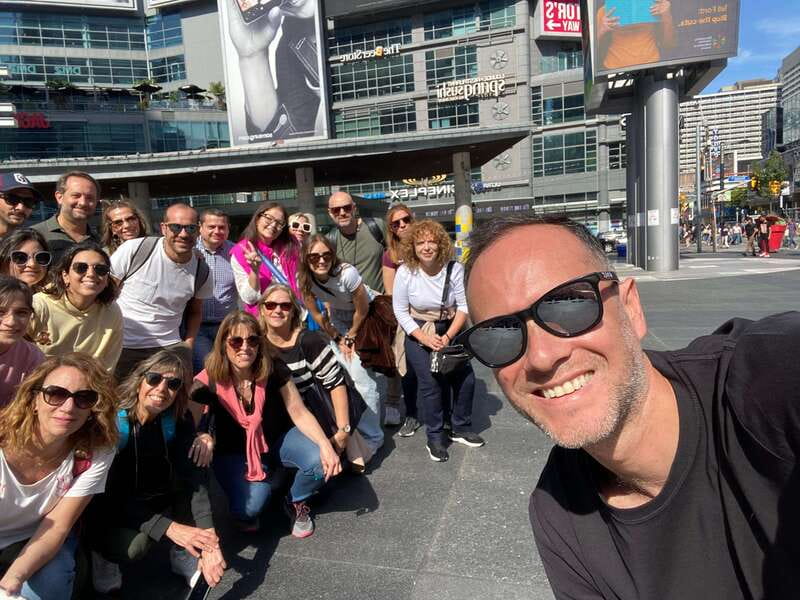
Dundas Square gives the tour a loud, modern finish. The intersection is known for lights, entertainment, and urban energy, so it offers a direct contrast with the market’s food stalls and the Distillery District’s older buildings.
This is Toronto as a busy public stage. The square can help you understand the city’s present-day character, especially after seeing neighborhoods shaped by earlier waves of settlement. It is less about a single monument and more about watching how downtown functions as a meeting point.
Some people will love the motion and color. Others may find the square less personal than Chinatown, Kensington Market, or St. Lawrence Market. I would view it as a useful contrast rather than the emotional high point of the tour.
If you are choosing stops with a private guide, tell Paul what matters most to you. Guests have found him flexible, and one couple appreciated being able to shape a three-hour outing around their interests. That flexibility matters more here than it would on a rigid group departure.
The seasonal ferry to Toronto Island
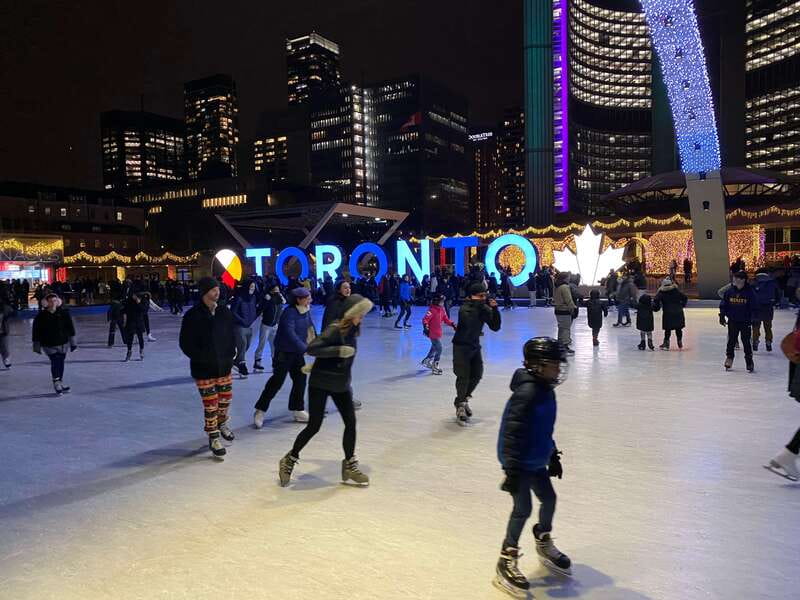
Toronto Island is described as a seasonal part of the experience. When operating conditions and timing allow, you can take a ferry for beaches, green open space, and views back toward the Toronto skyline.
This section changes the pace completely. After several central neighborhoods, the island offers a calmer setting and a chance to see Toronto from across the water. The skyline view is the reason to make the trip, while the beaches and greenery provide a break from downtown streets.
Do not assume the island will fit comfortably into every two-hour version of the tour. A ferry trip takes time, and the experience includes many other stops. If the island is a priority, confirm its place in your plan and consider choosing the longer duration.
Seasonal availability also matters. The tour information identifies the island as seasonal but does not provide a specific operating calendar. Ask before booking if the ferry is essential to your visit.
What Paul Campbell adds to the walk
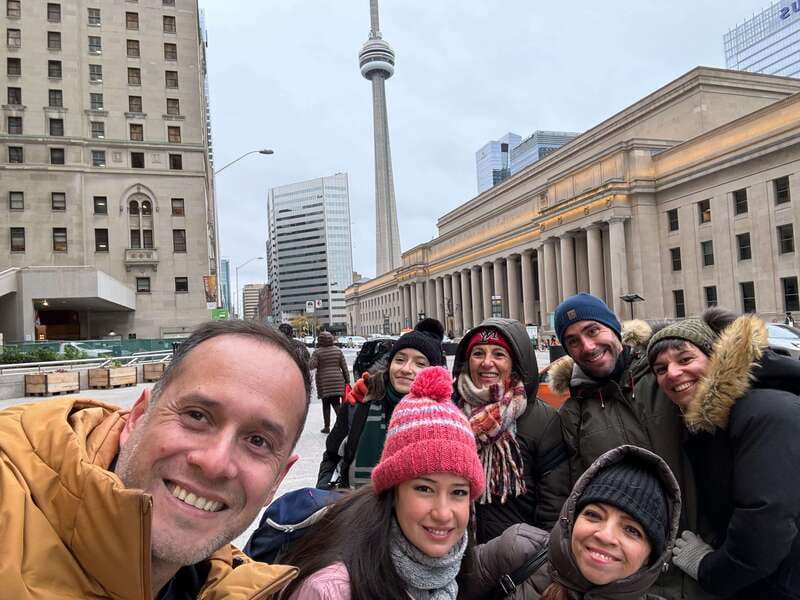
Paul Campbell is the named guide, and the most consistent praise centers on his friendly personality, patience, and willingness to adapt. Several guests found him attentive, while one couple described spending three hours with him as a delight. Another group appreciated that he adjusted the route for wheelchair access.
That kind of personal attention is the main reason to choose a private tour instead of simply following a city map. You can ask for restaurant advice, request more time in a neighborhood, or explain that you want fewer stops and more conversation.
The guide’s flexibility also helps families and mixed-ability groups. The tour is listed as wheelchair accessible, and the specific experience of adapting the route is encouraging. Still, accessibility can depend on the exact streets, ferry arrangements, and chosen stops, so discuss your needs when reserving.
The one reservation is historical depth. The guide seems to excel at making the city approachable and enjoyable, but the available feedback includes a note that more background would have improved the experience. If you care most about dates, political history, and architectural detail, make that request at the beginning rather than waiting for the guide to guess.
Is $54 a good value for two to four hours?
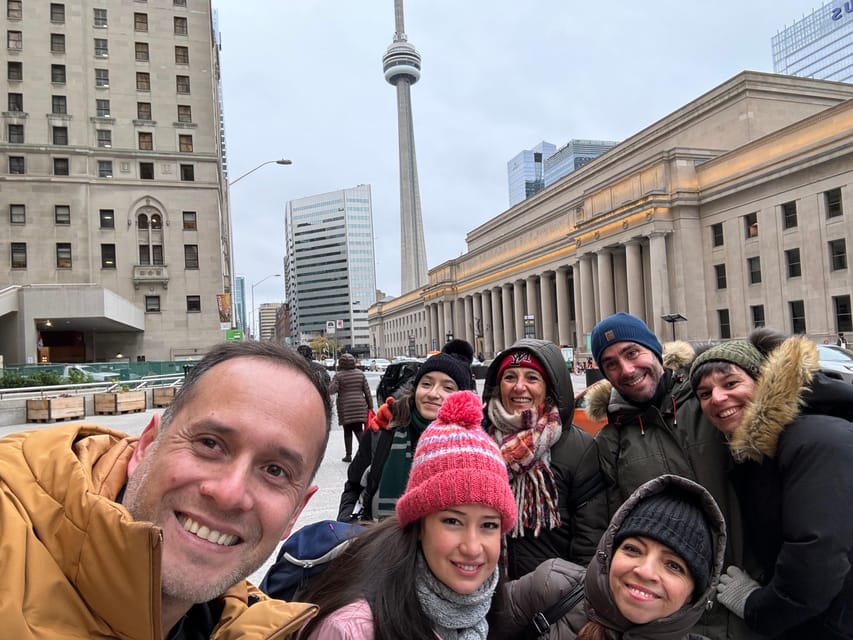
At $54 per person, the price is reasonable if you value private attention and a flexible route. You are paying for a live guide, a personal introduction to several central districts, and recommendations that can help you plan the rest of your stay.
The value becomes stronger for a small group. A private guide can adjust the walk instead of moving everyone through the same script. For families, children under 12 are free, which can make the total cost more appealing.
The value is less certain if you expect admission tickets, a full food tour, or included ferry expenses. The included details promise the walking tour and a good time in the city, but they do not state that food purchases or other personal costs are covered. Bring room in your budget for anything you want to eat or buy.
You can cancel up to 24 hours in advance for a full refund, and the reserve-now, pay-later option keeps your plans flexible. Those terms are useful when your Toronto schedule may change, but they do not replace checking the exact start time and route before you commit.
Who will get the most from this Toronto walk?

I would recommend this experience to you if you want a broad first look at downtown Toronto and prefer conversation to a fixed audio guide. It suits couples, families, and private groups that want to set their own pace.
It is especially useful for:
- First-time visitors who want practical recommendations
- Spanish-speaking groups who prefer a tour in Spanish
- Families, since children under 12 are free
- Wheelchair users who need a guide willing to adjust the route
- Visitors who want food, neighborhoods, street art, and architecture in one outing
- People with only a few hours who want an organized introduction
I would be more cautious if your main goal is an intensive history tour. The route offers historical settings, but the experience may give you more atmosphere and orientation than detailed research.
Wear comfortable shoes and keep your schedule flexible. The tour can last from two to four hours, and the number of stops makes it worth discussing priorities with Paul before you set out. If St. Lawrence Market, Kensington Market, or Toronto Island matters most to you, say so clearly.
Should you book it?
Book this tour if you want Toronto explained through its neighborhoods, food, public art, and changing architecture. Paul Campbell’s friendly style and willingness to adapt are the clearest reasons to choose it, especially for a private group or anyone needing wheelchair adjustments.
Skip it if you want a formal history seminar or a guaranteed, lengthy visit at every listed stop. For most first-time visitors, though, $54 buys a useful city orientation, strong local recommendations, and a flexible walk through Toronto’s many sides.
FAQ
How much does the Toronto walking tour cost?
The tour costs $54 per person. Children under 12 are free.
How long does the tour last?
The duration is between two and four hours. Starting times depend on availability.
Which languages are available?
The live tour is available in English or Spanish.
Is the tour private?
Yes. The experience is offered for a private group.
Is the tour wheelchair accessible?
Yes, the tour is listed as wheelchair accessible. Guide Paul Campbell has also adapted the route to accommodate wheelchair users.
Is Toronto Island included all year?
Toronto Island is a seasonal part of the experience. The tour information does not provide specific operating dates, so confirm availability if the island is important to you.
Can I cancel for a refund?
You can cancel up to 24 hours in advance for a full refund. You can also reserve now and pay later.
Newest reviews from Toronto
- Toronto Landmarks★ 5.0 · 6 reviews
- Toronto: Niagara Falls Tour with Boat and Lunch★ 3.6 · 6 reviews
- Toronto: Muskoka Cranberry Farm and Hardy Lake Hike★ 5.0 · 6 reviews
- Niagara Falls Day Tour from Toronto w/ Tower, Journey & Boat Ride★ 5.0 · 6 reviews
- Travel Photo Session in Toronto★ 5.0 · 6 reviews
- The Toronto Wine Salon★ 5.0 · 6 reviews
- Paddleboard Eco Tour in Toronto Islands, Canada★ 4.5 · 6 reviews
- Ghosts of the Village at Black Creek★ 4.5 · 6 reviews
Toronto Tours, compared.
Niagara Falls Day Tour with Optional Boat Cruise
Read our review →

Niagara Falls Canada Day Tour From Toronto + Boat Cruise Option
Read our review →

Niagara Falls from Toronto: Skip-the-Line Boat & Skylon Tower
Read our review →
Niagara Falls Tour + Boat Ride and/or Journey
Read our review →Browse the lists this tour appears in