
Reviewed · BANFF TOURS
Canyoning half day – Heart Creek Canyon (beginner level)
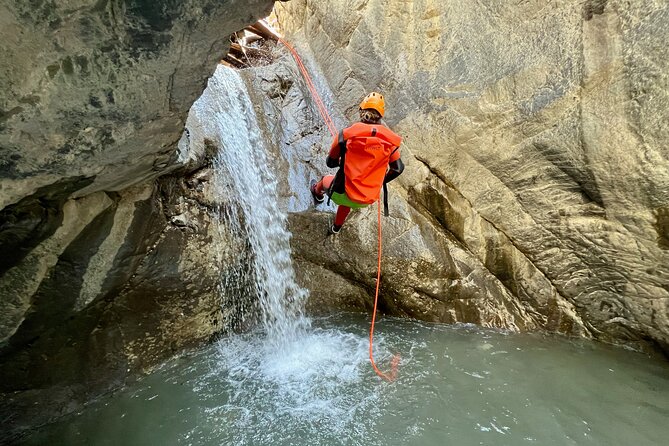
Feel like trading a trail for a waterfall? Heart Creek Canyon gives you a beginner-friendly introduction to canyoning near Banff, with five rappels, rock scrambling, slides, and cold mountain water. I like the gradual start, with short rappels before the longer final drop, and I like that the guides provide wetsuits, helmets, harnesses, and rope instruction. The main catch is the approach hike, which can feel more moderate than easy, especially on the two steep sections near the top.
At $146.45 per person for roughly four to five hours, this is a fair price for an active half-day outing that includes technical equipment and a professional guide. I also appreciate the optional exit around the final wet rappel. You can challenge yourself without being forced into the biggest splash of the day.
In This Review
- Key points to know before booking
- What Heart Creek Canyoning Really Feels Like
- The Heart Creek Trailhead and the Uphill Start
- Getting Suited Up at the Canyon Entrance
- The Rope Clinic Makes the First Rappels Manageable
- Upper Heart Creek: Short Drops and a Gentle Learning Curve
- The Lower Canyon and the Long Final Rappel
- Safety, Fitness, and the Honest Difficulty Level
- How Much Value You Get for $146.45
- Small Details That Make the Day Better
- Should You Book Heart Creek Canyon?
- FAQ
- Where does the Heart Creek canyoning tour start?
- How long does the experience take?
- Is pickup from Banff or Canmore available?
- Do I need previous rappelling experience?
- How many rappels are included?
- Do I have to take the final wet rappel?
- What equipment is provided?
- What shoes should I wear?
- What is the minimum age?
Key points to know before booking
- Five rappels build from short to long: The upper canyon helps you learn the basics before the final lower-canyon drop.
- The one-hour approach matters: Most of the hike is straightforward, but two short sections are steep.
- You will get wet: The final rappel and slides are always wet, and your hiking shoes go into the canyon.
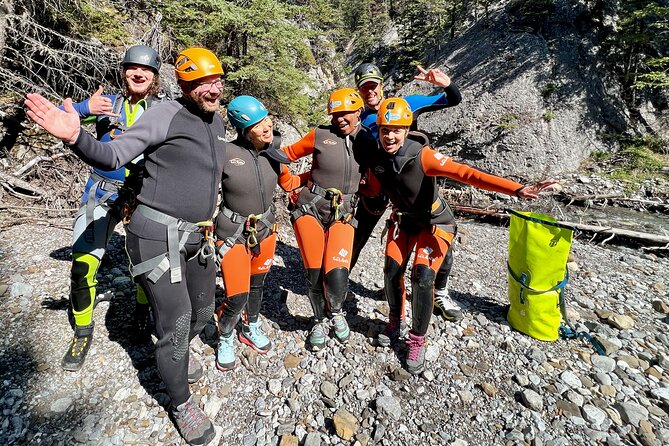
- All main technical gear is supplied: You get a wetsuit, neoprene socks, helmet, harness, rappel equipment, and a dry bag.
- The final rappel is optional: You can hike around it if the height or cold water is not for you.
- Meet near Canmore, not in central Banff: Heart Creek is about 10 minutes from Canmore and 25 minutes from Banff by car.
What Heart Creek Canyoning Really Feels Like
Canyoning is part hike, part rope course, and part cold-water mountain adventure. At Heart Creek, you walk uphill to the top of two canyon sections, then work your way down through rock, water, and waterfalls using rappels and slides.
This is not a sightseeing bus trip with a short activity tacked on. You carry your gear uphill, change into a wetsuit at the canyon entrance, and spend much of the return moving over uneven rock. The reward is access to narrow canyon scenery and waterfalls that you would not reach on an ordinary trail.
The trip is advertised for beginners, and no previous rappelling experience is required. That is accurate in terms of technique. The guides teach you what to do, begin with shorter drops, and talk you through each move.
The physical side is a different matter. You should have moderate fitness and feel reasonably comfortable with heights. Several people have found the climb more demanding than expected, so I would describe the outing as beginner-level canyoning with a moderate approach hike.
More Ice Walks and Canyoning in Banff
- Johnston Canyon Icewalk
★ 5.0 · 502 reviews - Banff: Mount Norquay 2.5 or 4-Hour Guided Via Ferrata Climb
★ 4.9 · 305 reviews - Banff: Morning or Afternoon Johnston Canyon Icewalk
★ 4.8 · 253 reviews
The Heart Creek Trailhead and the Uphill Start
You meet your guide and group at the Heart Creek parking lot. The trailhead sits about 17 kilometers east of Canmore and 41 kilometers east of Banff, just off the highway. Look for the Heart Creek Trail exit, and allow enough time to find the parking area before your scheduled start.
The drive is simple if you have a car, and parking is available for regular vehicles, RVs, and motorhomes. A conservation pass is required for the Kananaskis parking area. You need one pass per vehicle, and it can be purchased online before you arrive.
Pickup is offered, but it becomes limited in July and August. If you have a vehicle, meeting at Heart Creek is the sensible choice. If you do not, pickup can usually be arranged from Canmore, including locations such as Blondies Cafe, the Travel Alberta visitor information center, or the Legacy Trail bus stop for the Banff and Canmore Roam route. Confirm this with the operator before relying on it.
The hike to the canyon entrance takes about 30 to 60 minutes, depending on the wording used for the day’s route, group pace, stops, and breaks. Plan on about an hour. Most of it is family-friendly and not sharply inclined, but two short sections near the end are quite steep.
Your guide will set the pace and allow time to rest. That matters, since the activity itself comes after the climb. A rushed approach would leave you tired before the rappelling begins.
Wear trail-running shoes or light hiking shoes with a good tread. These same shoes go into the canyon and will be submerged, so do not bring footwear that you need to keep dry. Tennis shoes, sandals, Crocs, water shoes, and urban footwear are not accepted for safety reasons.
Getting Suited Up at the Canyon Entrance
The group changes into wetsuits at the top, not at the parking lot. A good plan is to arrive already wearing your bathing suit. Basic pit toilets are available at the trailhead, but there are no food or drink services there.
The operator supplies the main gear:
- Canyoning wetsuit
- Neoprene socks or booties
- Helmet
- Rappelling harness
- Rappel equipment
- Dry bags for clothing and possessions
Bring a towel, a bathing suit, and dry clothes for afterward. Keep the spare clothes and second pair of shoes in your vehicle. A dry pair of sandals or shoes feels especially welcome after several hours in cold water.
In May and September, a rain jacket or windbreaker and fleece or merino layers can help during the walk. In summer, a T-shirt and shorts or hiking pants are generally suitable for the approach, but the weather in the Rockies can shift quickly.
The tour runs in rain or sunshine unless conditions create a safety concern. The canyon is not considered prone to flooding, and the thick wetsuits help keep you warm on cold, wet days. Still, you should dress for an outdoor activity, not a warm afternoon in town.
The Rope Clinic Makes the First Rappels Manageable
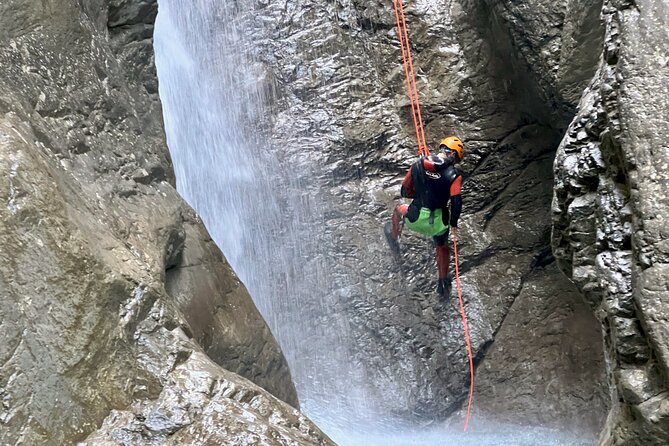
Before anyone enters the canyon, the guide gives a mandatory rappel and rope-safety briefing. This is more than a quick explanation. You learn the body position, rope handling, and basic commands needed for each descent.
That introduction is one of the strongest parts of the experience for first-timers. The upper canyon has shorter rappels, allowing you to get used to leaning back in the harness and controlling your movement before facing the largest drop.
Guides such as Brendan, Lawrence, Oliver, Jitka, Pablo, Kanishk, Kris, Mark, and Zach have been singled out for calm instruction, patience, humor, and close attention to safety. The best guides keep the hike relaxed, then become clear and firm when the rope work begins.
That balance matters. A guide who only jokes can make a nervous beginner uneasy, while a guide who treats every moment like a military exercise can drain the fun. At Heart Creek, the strongest guiding style appears to be friendly on the trail and focused at each rappel.
A completely different kind of day out on the same trip:
- Banff: Banff Gondola Admission Ticket
★ 4.7 · 3,698 reviews - Banff Gondola Ride Admission
★ 4.5 · 2,688 reviews - Columbia Icefield Tour with Glacier Skywalk
★ 4.5 · 1,860 reviews - Lakes Moraine, Louise, Emerald, Johnston Canyon & Yoho Tour
★ 4.8 · 1,023 reviews
Upper Heart Creek: Short Drops and a Gentle Learning Curve
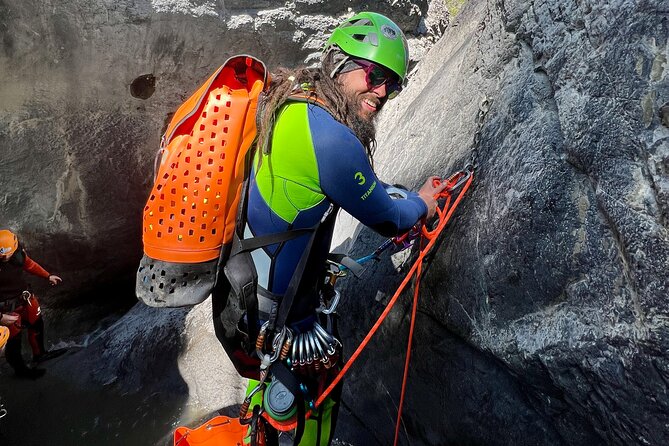
The upper canyon is the easier section. Later in the summer it can be relatively dry, which is useful for beginners because you can practice rappelling without immediately dealing with the full force of cold water.
There are five rappels overall, broken up by scrambling and short stretches of hiking. You may also encounter slides and spots where the guide lowers or helps you through a tricky part. The route is not a simple sequence of five identical rope drops.
The early rappels let you test your comfort with heights. You can learn how to trust the harness and follow the guide’s instructions while the drop remains manageable. If you are nervous, this gradual build is far better than starting with the longest descent.
The rock can be uneven and wet, so move carefully and listen to foot-placement advice. Your shoes need good grip, and you should expect to use your hands while scrambling. This is an active route, not a passive ride down a cable.
The canyon scenery changes with the weather. Rain can add water and atmosphere, while cloudy conditions may bring mist around the rock walls and waterfalls. A wet day can make the setting especially dramatic, but it also makes footing and clothing choices more important.
The Lower Canyon and the Long Final Rappel
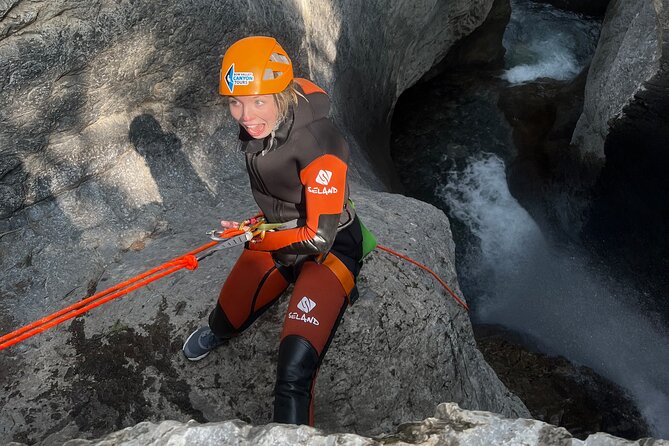
The lower section provides the biggest thrill. The final rappel is always wet, and it descends beside or through a waterfall area. The drop is often described as roughly 60 feet, or about 18 to 20 meters, depending on the particular description.
By this point, you have already completed shorter rappels and learned the basic technique. That progression makes the long drop feel achievable rather than abrupt. You may still feel the height, but you have had time to gain confidence.
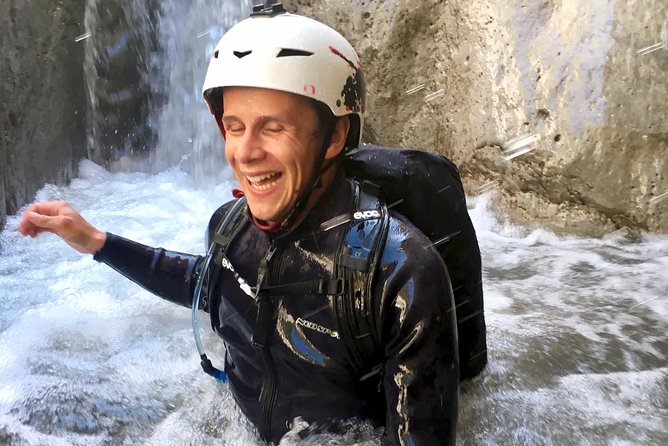
The water is cold. The wetsuit and neoprene socks help, but do not expect a lukewarm creek. You may be soaked for minutes at a time, and your shoes will be fully submerged. Bring dry underwear and a complete change of clothes, not just a spare T-shirt.
The route also includes slides, pools, scrambling, and short hikes. Water levels and recent rain can affect how much sliding or splashing takes place. One useful point from the experience is that rain a few days earlier can create more pools for sliding, while later summer conditions may leave parts of the upper canyon dry.
You do not have to take the final wet rappel. A hiking route around it lets you exit the canyon without making the largest descent. This is a valuable option for anyone who enjoys the canyon but decides that the height, water, or fatigue has reached its limit.
Safety, Fitness, and the Honest Difficulty Level
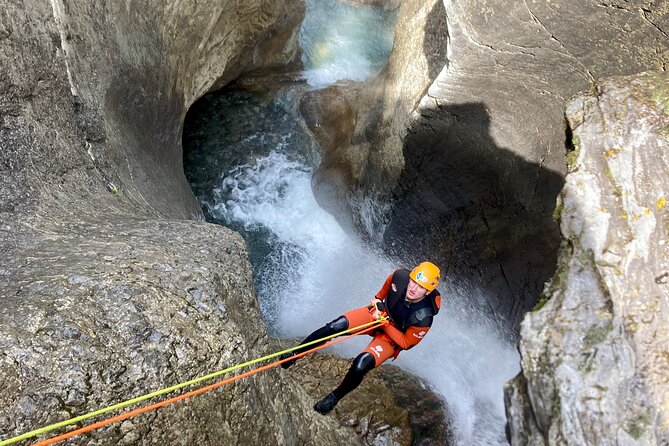
The operator requires participants to be at least 12 years old, and children must be accompanied by an adult. Everyone signs a liability waiver before taking part.
You should be comfortable with heights, even though the tour is designed for beginners. The guides control the rope system and coach you through the movements, but you still need to step over the edge and participate actively.
The approach hike is the part I would take most seriously. It is not an extreme mountain ascent, and the majority of the trail is straightforward. The final steep sections, plus the pack and canyon equipment, can make it tiring for anyone who is out of shape.
I would book this if you regularly walk, hike, or take part in active outdoor outings. If you have a heart condition, significant mobility limits, or doubts about managing steep ground, speak with a medical professional and the operator before booking. One person with a heart condition chose not to continue, which was the sensible decision.
The experience suits active families with older children, couples, solo visitors, and small private groups. The activity is private, meaning only your own group participates, but the size of that group is not specified. You should not assume you will have a private one-on-one guide.
How Much Value You Get for $146.45
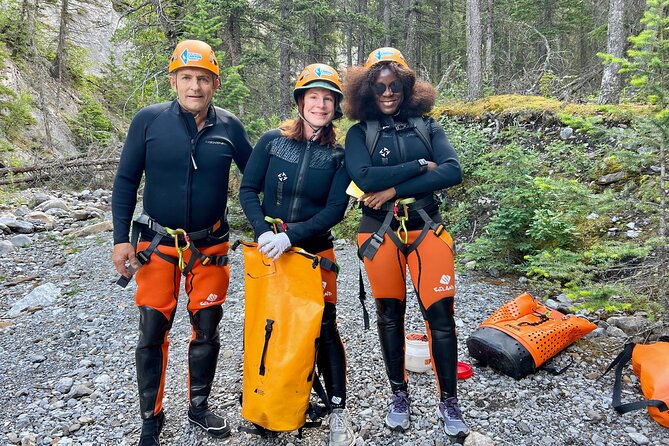
At $146.45 per person, the tour costs more than a regular guided hike but includes specialized equipment, technical instruction, wetsuits, a professional guide, and access to a canyon route that requires rope systems.
I think the price makes sense if you want a genuine half-day adventure rather than a quick photo stop. The value also comes from the teaching. A first-time participant can learn the basics of rappelling in a controlled setting without buying or transporting technical gear.
The price is less appealing if you mainly want mountain scenery and are not excited about getting cold and wet. An ordinary trail would cost less and require less preparation. Heart Creek earns its price through the activity, not through comfort.
The experience lasts approximately four to five hours, including the hike, changing, safety clinic, canyon route, and return to the parking area. Meeting times are generally 9:00 a.m., 10:30 a.m., and noon, with a 1:30 p.m. start added from July 1. Check your exact booking time carefully.
Small Details That Make the Day Better
Pack a snack and water for the approach hike. There are no food or drink services at the staging area, and the climb may take longer than expected if the group pauses often.
Arrive ready for the practical side of the outing. Wear your bathing suit under your hiking clothes, use proper footwear, and leave dry shoes in the vehicle. A towel is essential.
Expect your clothes and shoes to get wet despite the dry bags. The bags protect what you are not wearing, but they do not keep your footwear dry once you enter the canyon.
Listen closely to the guide’s commands. The strongest part of the experience is the steady coaching at each drop. Guides have helped nervous beginners manage the longer rappel by repeating instructions, controlling the rope, and offering encouragement without rushing.
The tour operates in changing weather, so a rainy forecast does not automatically mean cancellation. Poor conditions may lead to a different date or a full refund if the operator decides the trip cannot run safely.
Free cancellation is available up to 24 hours before the start time. Changes or cancellations inside that window are not refundable, except when the operator cancels because of weather or an insufficient minimum number of participants.
Should You Book Heart Creek Canyon?
I would book this tour if you want a physical, unusual activity near Banff and you are curious about rappelling but have no previous experience. The short upper-canyon drops, patient instruction, supplied equipment, and optional final rappel make it a sensible first canyoning outing.
I would not book it if you want a gentle half-day walk, dislike heights, or are uncomfortable with cold water. Also, do not let the beginner label fool you into ignoring the hike. You need reasonable fitness and proper outdoor shoes.
For active families, adventurous couples, and solo visitors, Heart Creek offers a strong mix of mountain scenery and hands-on excitement. The 4.8 rating from 130 reviews and 97 percent recommendation rate fit the experience’s main strengths: excellent guides, a beautiful canyon, and a satisfying progression from small rappels to a long waterfall descent.
FAQ
Where does the Heart Creek canyoning tour start?
The tour starts at the Heart Creek Trail parking lot near Heart Mountain, about 17 kilometers east of Canmore and 41 kilometers east of Banff.
How long does the experience take?
The full outing takes approximately four to five hours. The approach hike to the canyon entrance takes about one hour, including breaks and stops.
Is pickup from Banff or Canmore available?
Pickup is offered, but availability is limited during July and August. Pickup can usually be arranged from Canmore, while participants with a vehicle are encouraged to meet directly at Heart Creek.
Do I need previous rappelling experience?
No. Previous rope or rappelling experience is not required. The guide gives a mandatory rappel and rope-safety clinic before the canyon section begins.
How many rappels are included?
There are five rappels, along with scrambling, hiking, and slides. The upper-canyon rappels are shorter, while the final lower-canyon rappel is the longest.
Do I have to take the final wet rappel?
No. The final rappel is optional. You can use a hiking route around it to exit the canyon.
What equipment is provided?
The tour provides a wetsuit, neoprene socks or booties, helmet, harness, rappelling equipment, rope instruction, and dry bags for clothing and possessions.
What shoes should I wear?
Wear trail-running shoes or light hiking shoes with a good tread. These shoes will get wet in the canyon. Tennis shoes, sandals, Crocs, water shoes, and urban footwear are not permitted.
What is the minimum age?
Participants must be at least 12 years old. Children must be accompanied by an adult.
Newest reviews from Banff
- Banff: Sightseeing, Lake Minnewanka Cruise and Banff Gondola★ 4.7 · 41 reviews
- Banff/Canmore Moraine Lake & Lake Louise-Hike/Canoe/Sightsee★ 5.0 · 44 reviews
- Grotto Canyon Icewalk★ 4.5 · 49 reviews
- Banff |Canmore| Kananaskis to Calgary YYC Airport–Private Shuttle★ 5.0 · 50 reviews
- Banff : Lake Louise, Moraine, Emerald & Johnston Canyon tour★ 4.8 · 51 reviews
- Banff National Park Big Canoe Tour★ 5.0 · 52 reviews
- Banff: Grizzly Bear Refuge Tour with Lunch★ 4.6 · 53 reviews
- Banff: Sightseeing Chairlift Ride High Above Banff★ 4.6 · 57 reviews
Banff Tours, compared.
Lakes Moraine, Louise, Emerald, Johnston Canyon & Yoho Tour
Read our review →
Lake Louise, Moraine Lake and the Icefields Parkway Full-Day Tour
Read our review →
Lake Louise, Moraine, Emerald Lake & Johnston Canyon
Read our review →


Banff Highlights & Wildlife | Award-Winning Small Group Adventure
Read our review →Browse the lists this tour appears in