
Reviewed · QUEBEC CITY TOURS
Best of Quebec City: Panoramic Bus Tour with Local Guide
Quebec City rewards a quick first look. This two-hour bus tour gives you a useful city orientation, from the ramparts and Château Frontenac to modern neighborhoods beyond Old Quebec. I like the mix of major sights and less obvious streets, plus the lively local commentary from guides such as Martin, Francois, Daniel, and Valerie. The main drawback is that much of the route is viewed through the bus window, with limited time to get out and take photographs.
You will ride in a regular coach, not a double-decker or hop-on hop-off bus. That makes this a simple, weather-friendly way to see Quebec City, though a guide with a strong French accent or a weak bus speaker can sometimes be hard to follow.
In This Review
- Key points to know before you book
- Why this two-hour route works well
- Meeting the bus near Rue Sainte-Anne
- Château Frontenac and Haute-Ville
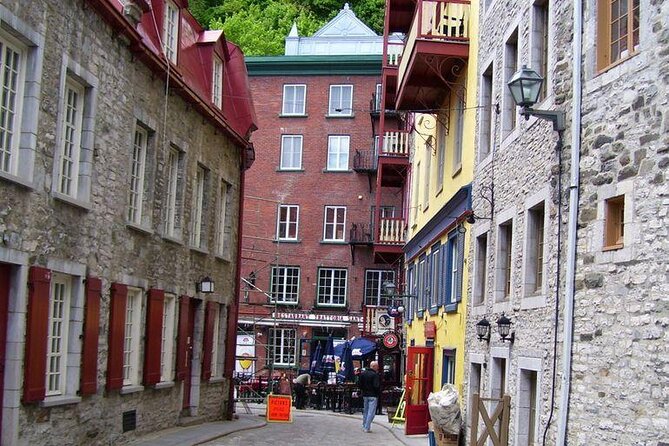
- The ramparts, Place Royale, and the old city
- The Plains of Abraham and the 15-minute stop
- Grande Allée, Parliament Hill, and modern Quebec
- The Latin Quarter and neighborhoods beyond the postcard
- Notre-Dame, City Hall, and the river views
- What the ride is like in changing weather
- Guide quality and how to hear the commentary
- Is $38 a fair price?
- Who should book this Quebec City bus tour?
- Should you book it?
- FAQ
- How long is the Quebec City panoramic bus tour?
- Where does the tour begin?
- Is this a hop-on hop-off bus?
- Which languages are available?
- What sights can I see?
- Can I bring luggage or pets?
Key points to know before you book
- Two hours covers a lot of ground: You see Old Quebec, the Plains of Abraham, Parliament Hill, the Latin Quarter, the river, and newer parts of town.
- The Plains of Abraham is the main photo stop: Plan on about 15 minutes there, while most other sights are viewed from the coach.
- Local guides make the difference: Martin, Francois, Daniel, Yves, Valerie, and others have been praised for humor, storytelling, and city knowledge.
- The bus helps in bad weather: Snow, rain, ice, and cold are much easier to handle from a warm seat than on a long walking route.
- It is a good first-day activity: You get ideas for restaurants, shops, neighborhoods, and later walks.
- The price is fair for an orientation tour: At $38 per person, transportation and a live English or French guide are included.
Why this two-hour route works well
Quebec City can feel confusing at first. Old Quebec sits on and below a steep hill, major sights are spread across several districts, and the city’s compact historic core quickly gives way to residential streets and newer areas. A bus tour lets you understand that layout before you spend your time walking.
I especially like the contrast built into the route. You begin near the historic center, pass through Haute-Ville and the old boroughs, then move toward Grande Allée, the National Museum of Fine Arts, Parliament Hill, and the St. Lawrence River. You see that Quebec City is more than a postcard-perfect old quarter.
The guide provides the thread tying it together. Good guides on this tour explain Quebec’s French language, political past, religious buildings, battles, and present-day city life. Martin has been praised for taking the bus to less touristy spots, while Francois is often singled out for humor and clear historical storytelling. Daniel has also earned praise for making the past entertaining rather than dry.
The experience is strongest when you treat it as an introduction, not a substitute for exploring on foot. You will learn what deserves a closer look later, then return to those places with a better sense of direction.
More City Tours in Quebec City
- Quebec City Walking Tour
★ 5.0 · 4,716 reviews - Quebec City: Guided Tour of Fairmont Le Château Frontenac
★ 4.7 · 3,027 reviews - Québec City: Guided Sightseeing River Cruise
★ 4.4 · 3,000 reviews
Meeting the bus near Rue Sainte-Anne
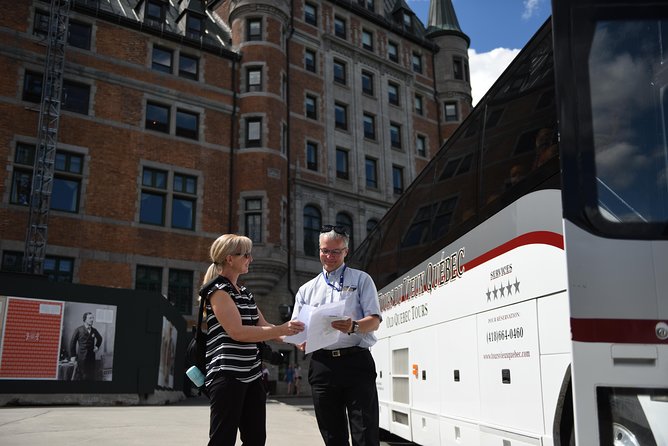
You can begin at either 10 Rue Sainte-Anne or 85 Rue Dalhousie. Both locations are associated with the Old Quebec area, so check the exact departure point on your booking and arrive 15 minutes early.
Look for a bus marked Unitours or Quebec Tours. One practical warning is worth noting: several tour buses may gather in the same area, and the correct coach may not be immediately obvious. Bring your voucher and allow enough time to confirm where you need to go.
The operator is Unitours Inc. The ride finishes at one of the same two locations, which is handy if you are staying near Old Quebec or want to continue exploring the historic center afterward.
You should wear comfortable shoes even though this is mainly a bus ride. You may have a short stop at the Plains of Abraham, and the tour is more useful if you are ready to walk around afterward.
Château Frontenac and Haute-Ville
The Fairmont Le Château Frontenac is one of Quebec City’s defining sights, and the tour gives you a close look as it passes through the old upper town. Its dramatic hotel towers dominate many views of the city, making it an easy landmark for getting your bearings.
Do not expect an extended interior visit. The itinerary lists the château as a pass-by sight, so your best chance for photographs may come from the bus or from exploring nearby after the tour. If you want the classic exterior view, plan to return on foot once the ride ends.
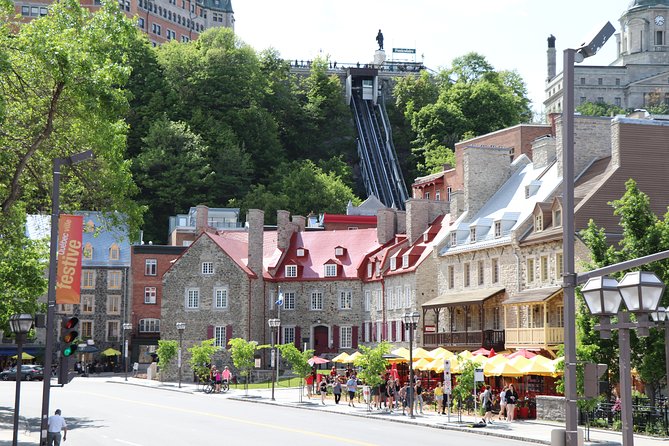
Haute-Ville, or Upper Town, is where Quebec City’s historic identity feels most concentrated. The streets, stone buildings, religious landmarks, and old defensive works reflect the city’s French influence. The bus gives you a broad look at the area, but walking later will reveal details that pass quickly from a window.
This part of the route is valuable because it puts famous sights into a wider setting. Instead of seeing Château Frontenac as an isolated hotel, you understand how it fits into the upper town and the old city’s hilltop position.
The ramparts, Place Royale, and the old city
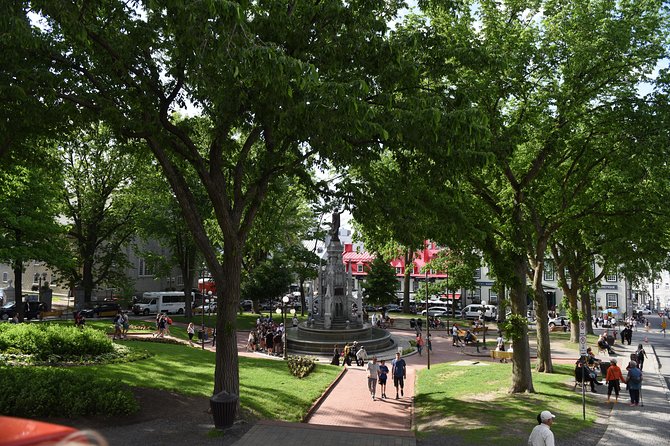
Quebec City’s ramparts are among the most important sights on the route. They are the only original city defense walls still standing in North America, which is why the historic district has UNESCO World Heritage status.
The bus route allows you to see the defensive character of the city without tackling every steep street right away. You pass through or near the old boroughs and get a sense of how the walls shaped Quebec City’s growth.
Place Royale is another key stop in the city’s story. It is tied to the oldest part of Quebec City and helps explain the French colonial character that makes the city feel different from most North American destinations. Again, the coach provides an overview rather than a long visit.
You should think of these sights as a preview. Make a note of the places that catch your attention, then return later with time for photographs and a slower look.
A few more tours worth putting side by side
- Half-Day Trip to Montmorency Falls and Ste-Anne-de-Beaupré from Quebec city
★ 4.0 · 2,718 reviews - Old Quebec City: Grand Walking Tour with Private Option
★ 4.8 · 2,609 reviews - Quebec City: Montmorency Falls with Cable Car Ride
★ 4.6 · 2,392 reviews - Quebec City: Montmorency Falls & Ile d’Orleans Half-Day Tour
★ 4.3 · 2,144 reviews
The Plains of Abraham and the 15-minute stop
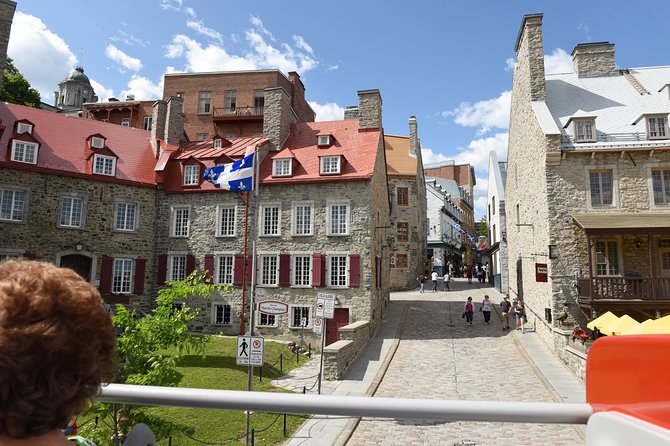
The Plains of Abraham is the clearest planned photo stop, with about 15 minutes listed for the visit. This open historic area is associated with the battle that changed control of Quebec in 1759, a major turning point in the struggle between Britain and France in North America.
The stop breaks up the bus ride and gives you a chance to step outside. In good weather, it is likely to be one of the most useful moments for photographs and a little fresh air. In winter, bring proper layers. One May departure was described as chilly enough for a coat, scarf, and gloves, and snow or rain can shorten the amount of time you want to spend outside.
The Plains are also a good example of the tour’s balance. You are not just seeing buildings. You are connecting Quebec City’s political and military past with its parks, roads, and modern neighborhoods.
Do not expect a long guided walk here. Fifteen minutes goes quickly, so listen carefully and decide in advance whether you want photographs, scenery, or a quick stretch.
Grande Allée, Parliament Hill, and modern Quebec
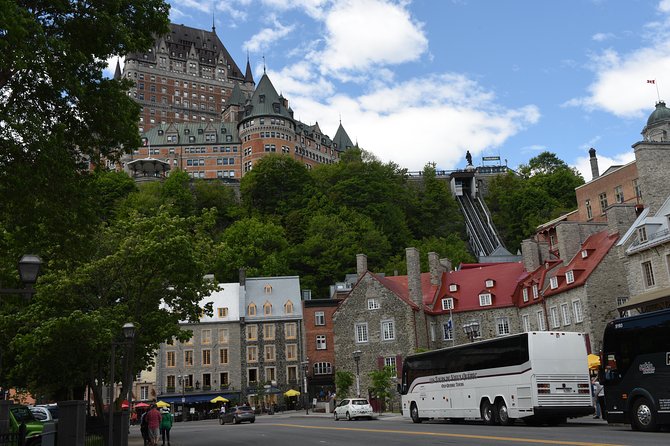
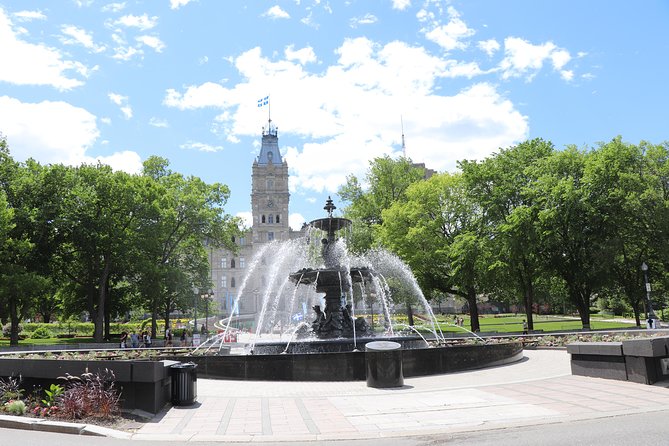
After the old city, the bus passes along Grande Allée and continues toward the National Assembly and the Parliament Hill area. This shift helps you see Quebec City as a working provincial capital, not only a preserved historic district.
The National Assembly is one of the important political buildings on the route. You will generally view it from the coach rather than go inside, but the guide’s explanation gives the building a role in Quebec’s political story.
The bus also passes the National Museum of Fine Arts of Quebec. Even if you do not stop, this is useful for planning. If art interests you, you can return later with enough time for the museum itself rather than trying to squeeze it into a short city overview.
This section may be less immediately charming than the old town, but it is one of the reasons I prefer a city tour to a narrowly focused historic walk. You see the transition from fortified colonial center to modern civic city.
The Latin Quarter and neighborhoods beyond the postcard
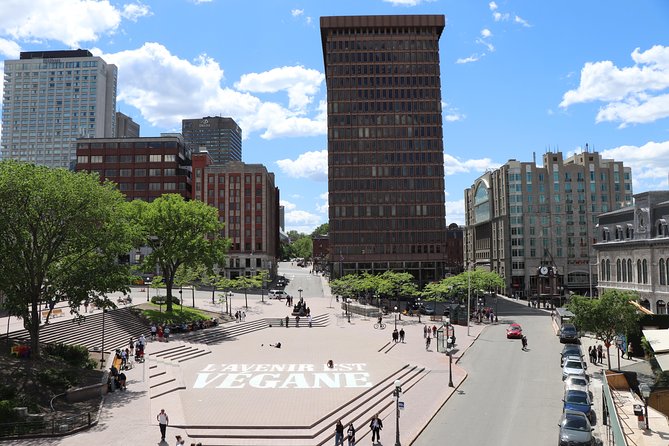
The Latin Quarter and several newer neighborhoods add local texture to the ride. The exact amount of time in each area can vary, since traffic, weather, and city conditions affect the route. In the past, guides have adjusted the route during events such as a marathon and used the change to show places that were not part of the usual sightseeing pattern.
That flexibility can be a strength. A smaller coach can manage narrow streets more easily than a large sightseeing bus, and one guide has been praised for steering through tight turns while keeping the commentary entertaining.
You will not get a detailed walking tour of every neighborhood. Instead, you get a quick look at where residents live, eat, shop, and move around beyond the most photographed streets. Pay attention to restaurant and shop suggestions, since the ride can help you choose where to spend the rest of your visit.
This is also where the guide’s personality matters most. A scripted narration may cover the landmarks, but a local guide can add current observations and point out details you might otherwise miss.
Notre-Dame, City Hall, and the river views
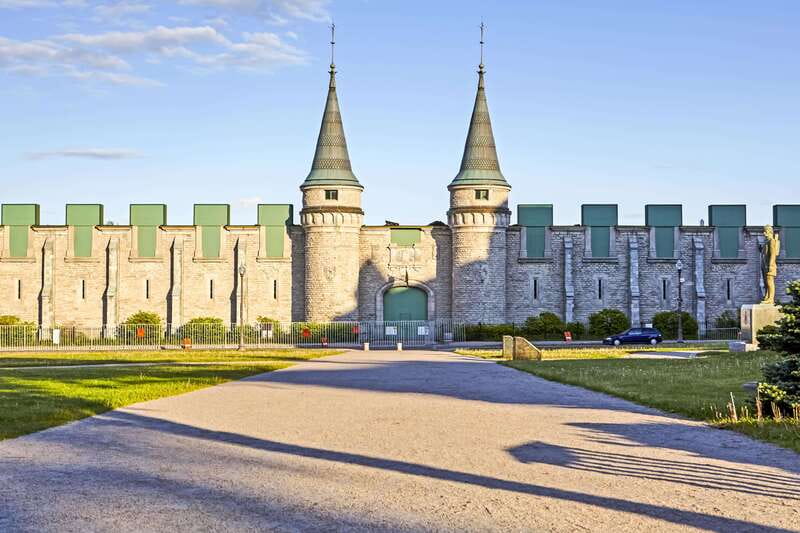
The Notre-Dame de Québec Basilica-Cathedral and Quebec City Hall are among the important religious and civic buildings included in the sightseeing route. They help show how strongly religion and government shaped the old city.
As with several other attractions, these are primarily pass-by sights. If you want to go inside the basilica or spend time around City Hall, plan a separate visit. The bus introduction helps you recognize the buildings when you return on foot.
The route also reaches the St. Lawrence River. The river is central to Quebec City’s location and development, and seeing it from the moving coach gives you a broader sense of the city’s position above the water.
Views from a bus are never as reliable as stopping at a lookout. Window reflections, traffic, and the direction of your seat can affect photographs. Still, the river segment adds geographic context that you would miss by staying only within the old walls.
What the ride is like in changing weather
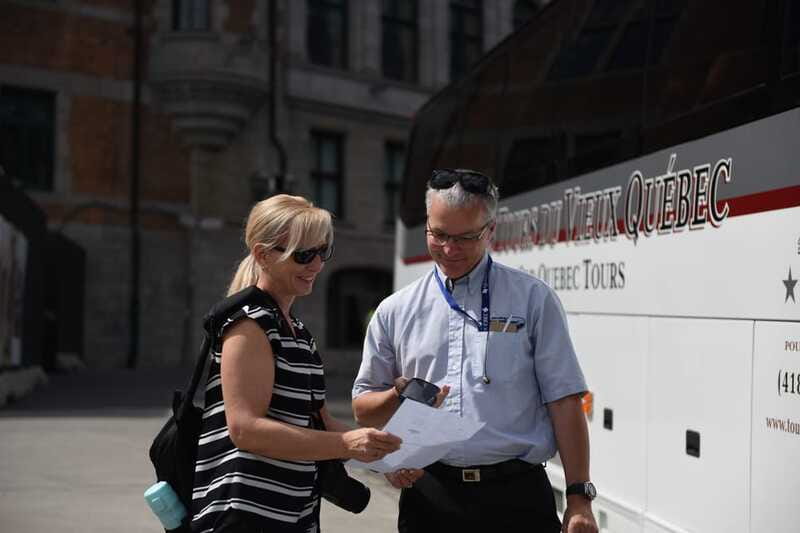
This tour makes particular sense in Quebec City’s colder months. Snow, freezing rain, and heavy rain can make a walking tour unpleasant, while the coach lets you see the city without spending two hours exposed to the weather.
Winter conditions can affect visibility. Ice may build on the windows, and one December ride had trouble keeping the glass clear during freezing rain. The driver scraped the windows before departure, but views were still limited at times.
Summer rides have their own concern. One past departure reported a problem with the air conditioning, making the bus uncomfortable. Most warm-weather feedback describes the coach as comfortable and cool, but you should understand that vehicle conditions can vary.
The bus is a regular coach, not a double-decker. That means you will not get an open upper-deck viewpoint, and this is not a hop-on hop-off service. In exchange, you get a fixed route with a guide who keeps the group moving through the city.
Guide quality and how to hear the commentary
The strongest praise for this experience goes to the guides. Martin has been described as enthusiastic and good at showing less touristy corners. Francois combines history with humor, Daniel is praised for storytelling and jokes, and Valerie has been credited with answering questions and tailoring the outing well.
Other names connected with positive experiences include Yves, Mac, Roland, Carol, and Gary. The guide changes from departure to departure, so you should not book expecting a particular person unless the operator confirms it.
The commentary is offered in English and French. Most feedback praises the explanations, but one person found it difficult to follow a guide switching between French and English with a heavy French accent. Another found the bus speaker hard to hear at times.
For the best chance of following along, sit where you can clearly hear the guide and avoid choosing a seat only for the view. If you have hearing concerns, ask about the sound system before boarding.
Is $38 a fair price?
At $38 per person, the tour offers reasonable value for a two-hour orientation. Your fee covers the bus and live guide, and you avoid the cost and hassle of navigating narrow streets or finding parking.
The value is highest if this is your first time in Quebec City, your visit is short, or the weather is poor. It is also useful for families, older visitors, and anyone who wants to understand the city before tackling its hills and uneven streets.
The price is less compelling if you want long stops, detailed interior visits, or time at every landmark. You are paying for a guided overview, not entry to the Basilica-Cathedral, National Museum of Fine Arts, Museum of Civilization, or Citadelle.
Free cancellation is available up to 24 hours before departure, and you can reserve now and pay later. Those options are helpful when weather or a changing schedule may affect your plans.
Who should book this Quebec City bus tour?
I would put this tour near the beginning of a Quebec City visit. It gives you a map in your head, points out areas worth returning to, and helps you decide how to use your walking time.
It suits you best if you:
- Have only a day or two in Quebec City
- Want a broad look before exploring on foot
- Prefer a covered ride in rain, snow, or cold
- Enjoy history told through stories and humor
- Want to see both old districts and modern neighborhoods
- Do not need long photo stops at every attraction
You may prefer a walking tour if your priority is architecture at close range, interior visits, or extended time in Place Royale and the old city. You may also find a hop-on hop-off service more useful if you want to spend hours getting off and on, but this tour does not work that way.
Should you book it?
Book it if you want a friendly, efficient introduction to Quebec City for $38. The combination of old walls, the Plains of Abraham, Parliament Hill, the Latin Quarter, the river, and newer neighborhoods gives you a useful first picture of the city.
Skip it if you already know Quebec City well or want a slow, photo-focused experience. For most first-time visitors, though, the tour earns its place early in the itinerary. Use the two hours to learn the layout, collect ideas, and mark the places you want to revisit at walking speed.
FAQ
How long is the Quebec City panoramic bus tour?
The tour lasts two hours, including the bus route through Quebec City and the photo stop at the Plains of Abraham.
Where does the tour begin?
You can start at either 10 Rue Sainte-Anne or 85 Rue Dalhousie. You should arrive 15 minutes before departure and look for a bus marked Unitours or Quebec Tours.
Is this a hop-on hop-off bus?
No. This is a regular guided bus tour with a fixed route. It is not a double-decker bus or a hop-on hop-off service.
Which languages are available?
The live guide is available in English and French.
What sights can I see?
The route includes or passes the Fairmont Le Château Frontenac, Haute-Ville, the city ramparts, the Plains of Abraham, Grande Allée, the National Museum of Fine Arts of Quebec, Parliament Hill, the Museum of Civilization, the St. Lawrence River, Place Royale, the Citadelle, Notre-Dame de Québec Basilica-Cathedral, and City Hall.
Can I bring luggage or pets?
Pets and luggage or large bags are not allowed on the tour. Comfortable shoes are recommended.
Newest reviews from Quebec City
- YQB Airport Transfer★ 5.0 · 41 reviews
- Immersion Quebec: Virtual Reality Experience of Quebec City’s History★ 4.5 · 51 reviews
- Quebec City – Regular Bike Rental on Ile d’Orléans★ 4.6 · 52 reviews
- Snowshoeing Tour in Jacques-Cartier National Park★ 5.0 · 55 reviews
- Québec: Fortifications-of-Québec Guided Walking Tour★ 4.7 · 60 reviews
- Christmas Magic in Old Quebec★ 4.5 · 61 reviews
- Quebec City: MNBAQ National Fine Arts Museum Entry Ticket★ 4.6 · 63 reviews
- Quebec: City Tour, Montmorency Falls & Île d’Orléans Tour★ 4.5 · 68 reviews
Quebec City Tours, compared.

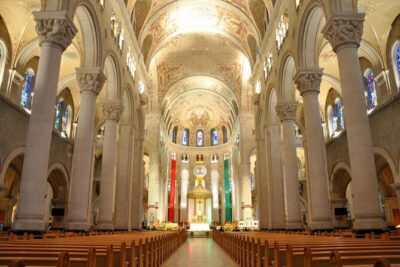
Half-Day Trip to Montmorency Falls and Ste-Anne-de-Beaupré from Quebec city
Read our review →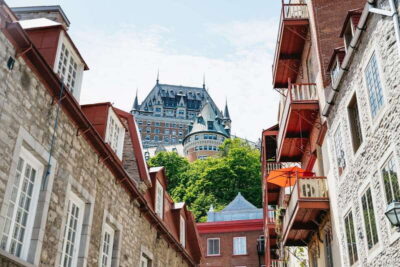
Old Quebec City: Grand Walking Tour with Private Option
Read our review →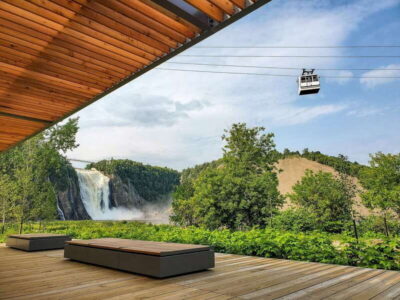
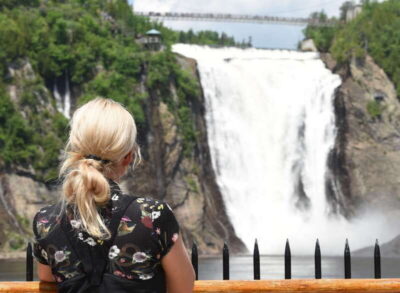
Montmorency Falls & Ile d’Orleans Half-Day Tour
Read our review →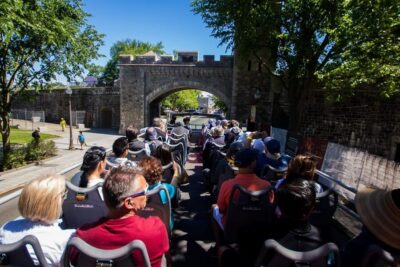
Hop-on Hop-off Open-Top Double Decker Bus Tour
Read our review →Browse the lists this tour appears in